
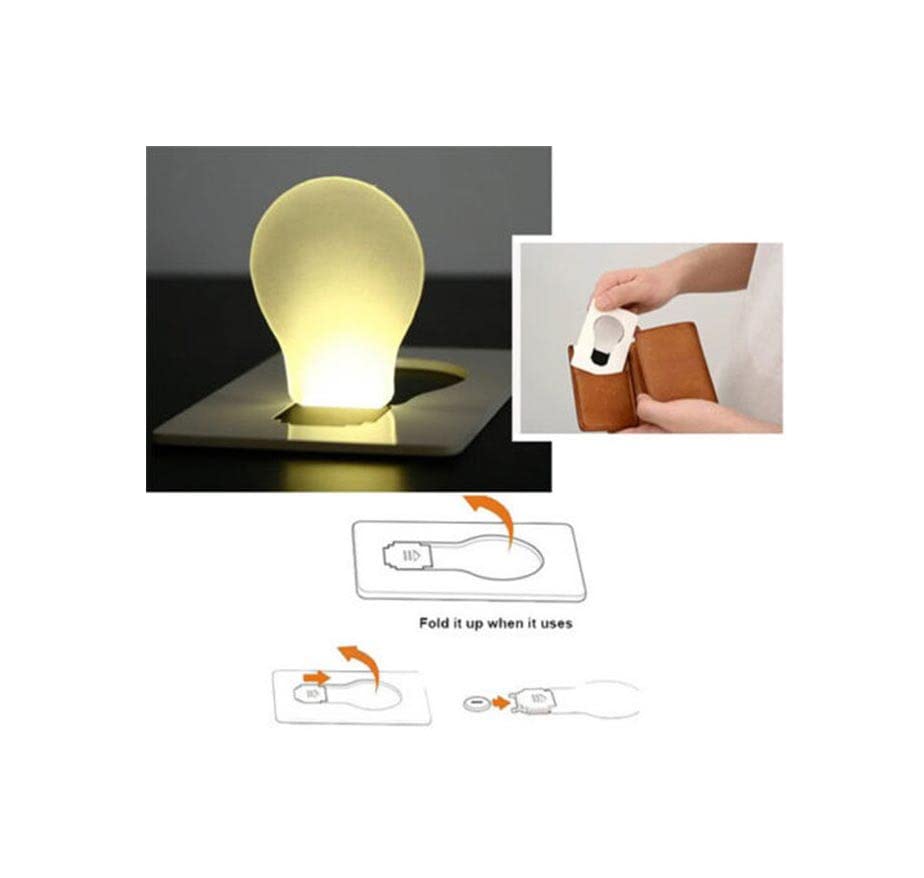
Why LED Lighting is the Way to Go
LED lighting has revolutionized the way we illuminate our homes, offices, and public spaces. Not only does it provide a brighter and more energy-efficient solution, but it also saves consumers money on their electricity bills. In this article, we’ll explore the benefits of LED lighting, its cost-effectiveness, and how it’s changing the face of urban planning.
A Brief History of LED Lighting
LED lighting has come a long way since its debut in the market. Initially priced high due to the lengthy lifespan of LED bulbs (typically 25 years), the price has dropped significantly over the years. Today, LED lighting is an affordable and accessible solution for consumers and businesses alike. With the year 2013 being the perfect time to make the switch from traditional fluorescent lighting to the modern and convenient LED lighting, we’ll dive into the details.
The Benefits of LED Lighting
LED lighting has been celebrated by publications such as The New York Times. In the United States, many public buildings are now illuminated with LED systems, and even private homes are adopting this energy-efficient solution. A recent article by David Pogue in The New York Times aims to encourage consumers to choose the most efficient option for their homes.
Not Everyone is on Board
While some cities like Livorno have made significant strides in adopting LED lighting, others seem hesitant to integrate the concept of energy efficiency into their urban planning. However, with examples like the city of Livorno, which has installed 468 LED-lit bodies and saved an annual amount of energy equivalent to 68,142 kWh, it’s clear that the benefits are worth exploring.
A Helping Hand for Consumers
To aid consumers in making informed decisions about lighting options, a dedicated portal called eurotopten.it was created. This guide provides information on the most efficient LED lights for homes and offices, ensuring that users can make the best choice for their needs.
What Does it Cost to Replace Traditional Lighting with LEDs?
The eurotopten.it guide also offers insight into the cost of replacing traditional lighting with LED options. For instance, a classic A Verbatim LED bulb costs 14 euros upfront but will save consumers around 20 euros in electricity bills over its 25-year lifespan. This means that users can expect to spend approximately 80 cents per year on electricity for that single bulb.
The Power of Combination: LED and Solar Energy
The use of both LED lighting and solar energy creates a win-win situation for installers, businesses, and the environment. In our previous article, we discussed how a company reduced its electricity consumption by switching to energy-efficient LED lighting, resulting in significant savings.
Conclusion
In conclusion, LED lighting is an innovative solution that not only saves consumers money on their electricity bills but also contributes to a more sustainable future. With the help of guides like eurotopten.it and the increasing adoption of LED lighting worldwide, we’re moving closer to a brighter, more eco-friendly tomorrow.
Frequently Asked Questions (FAQs)
-
What is the average lifespan of an LED bulb?
The lifespan of an LED bulb varies depending on usage patterns; however, some LED bulbs are designed to last 25 years or more. -
How much does it cost to replace traditional lighting with LEDs?
The initial cost can vary, but long-term savings and durability make up for the difference in many cases. -
Why is energy-efficient lighting important?
It’s crucial due to growing concerns about climate change; LED lighting reduces electricity consumption and helps minimize environmental impact. -
What are some key benefits of using LED lighting?
LEDs offer improved light quality, longer lifespan compared to traditional bulbs, and substantial cost savings on electricity bills. -
Can I use LED lights for both indoor and outdoor purposes?
Yes; modern LED bulbs designed for interior or exterior use can provide reliable performance under various conditions. -
How do I choose the right LED lighting solution for my needs?
Consider factors such as energy consumption, light quality, lifespan, cost, and compatibility with existing systems when selecting the most suitable option. -
What is the impact of LED lighting on the environment?
By reducing electricity consumption, LEDs contribute to lower greenhouse gas emissions and help combat climate change. -
Is it a good idea for businesses to invest in energy-efficient lighting solutions like LEDs?
Yes; by doing so, they not only save money but also demonstrate commitment to sustainability and environmental responsibility. -
Can LED lights be used with solar panels?
Yes; the combination of LED lighting with solar power can provide significant benefits in terms of both cost savings and environmental impact. -
What about the durability and lifespan of LED bulbs?
High-quality LEDs are designed to withstand harsh conditions, ensuring years of reliable performance.
Additional Benefits of LED Lighting
In addition to its energy efficiency and long lifespan, LED lighting also offers several other benefits that make it an attractive choice for consumers and businesses alike. These include:
- Improved Light Quality: LEDs provide a high color rendering index (CRI), which means they produce light with a more accurate color appearance compared to traditional bulbs.
- Design Flexibility: LEDs are available in a wide range of colors, including warm white, cool white, and daylight, making them suitable for various applications.
- Low Maintenance: LEDs require minimal maintenance, as they do not contain fragile filaments that can break or burn out easily.
- Instant On: LEDs turn on instantly, eliminating the need for a warm-up period like traditional bulbs.
The Role of LED Lighting in Sustainable Urban Planning
As cities continue to grow and urbanize, sustainable lighting solutions like LED lighting are becoming increasingly important. By incorporating energy-efficient lighting into urban planning, cities can reduce their carbon footprint, improve air quality, and create more livable environments for residents.
In our previous article, we discussed how the city of Livorno implemented a comprehensive LED lighting system that has not only reduced energy consumption but also improved public safety and aesthetics. This is just one example of how LED lighting can contribute to sustainable urban planning.
The Future of LED Lighting
As technology continues to advance, we can expect even more innovative applications for LED lighting. Some potential trends and developments in the field include:
- Light-Emitting Diodes (LEDs) with Higher Efficiency: Researchers are working on developing LEDs that can achieve higher efficiency rates than current models.
- Smart Lighting Systems: The integration of smart home technology into lighting systems is becoming increasingly popular, allowing users to control their lighting remotely and adjust settings based on usage patterns.
- Advanced Materials and Coatings: New materials and coatings are being developed to enhance the performance and durability of LEDs.
Conclusion
In conclusion, LED lighting is an innovative solution that offers numerous benefits for consumers, businesses, and the environment. With its energy efficiency, long lifespan, improved light quality, design flexibility, low maintenance requirements, and instant on capabilities, it’s no wonder why LED lighting has become a popular choice for various applications.
As technology continues to evolve, we can expect even more exciting developments in the field of LED lighting. Whether you’re looking to upgrade your home or business with energy-efficient lighting solutions or simply want to contribute to sustainable urban planning, LED lighting is an excellent option to consider.
By embracing the benefits of LED lighting and exploring new applications for this innovative technology, we can create a brighter, more eco-friendly future for all.


