
As we navigate the vast world of food and nutrition, it’s easy to get confused between different types of sugars. One such sugar is lactose, a disaccharide commonly found in dairy products. In this article, we’ll delve into what lactose is, where you can find it, and most importantly, why some people experience intolerance.
What Is Lactose?
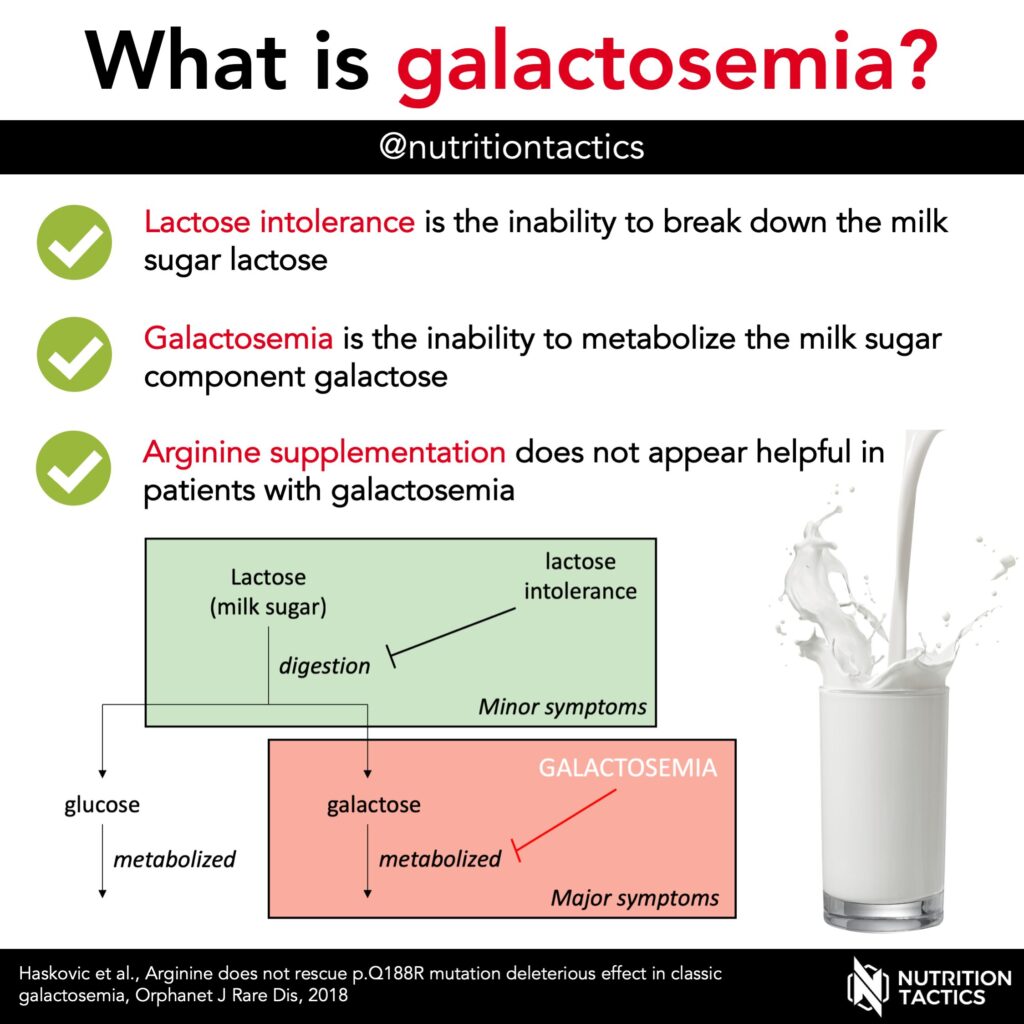
Lactose is a disaccharide composed of two simple sugars: glucose and galactose. It’s naturally occurring in milk from mammals, including humans, cows, goats, and sheep. When lactose enters the digestive system, it needs to be broken down into its component sugars by an enzyme called lactase. Unfortunately, not everyone has sufficient lactase enzymes, leading to lactose intolerance.
History of Lactose
Lactose has been present in milk for thousands of years, serving as a primary source of energy and nutrition for mammals. The enzyme lactase was first discovered in 1849 by German scientist Justus von Liebig. Initially, it was thought that lactase was only produced in infants to help with digestion during breastfeeding. However, further research revealed that some adults also produce lactase enzymes.
Where Do You Find Lactose?
Lactose is primarily found in dairy products like milk, cheese, yogurt, and ice cream. It’s also present in small amounts in other foods, such as bread, cereals, and fruits. However, the amount of lactose can vary significantly depending on the food item.
- Milk: Whole milk contains around 4-5% lactose, while skim milk has about 0-1% lactose.
- Cheese: Cheese can contain varying amounts of lactose, ranging from a few grams to several dozen grams per serving.
- Yogurt: Yogurt typically contains around 8-12% lactose.
- Ice Cream: Ice cream usually contains around 6-8% lactose.
What Happens When You Consume Lactose?
When you consume lactose, your body breaks it down into glucose and galactose. If you’re lactose intolerant, your small intestine can’t digest lactose properly. As a result, undigested lactose reaches the colon, where bacteria ferment it, producing gas and causing discomfort.
The Digestive Process
Here’s what happens when you consume lactose:
- Ingestion: Lactose enters the digestive system through food consumption.
- Gastric Digestion: The stomach breaks down the lactose into smaller molecules using gastric enzymes.
- Small Intestine Digestion: The small intestine absorbs glucose, but not galactose or undigested lactose.
- Colon Fermentation: Undigested lactose reaches the colon, where bacteria ferment it and produce gas.
What Is Lactose Intolerance?
Lactose intolerance occurs when the body is unable to produce enough lactase enzymes to break down lactose. This condition can be caused by genetic mutations, which reduce or eliminate lactase production in adulthood. People with lactose intolerance may experience symptoms like bloating, gas, diarrhea, and stomach cramps after consuming dairy products.
Breath Test for Lactose Intolerance
A breath test is a common method to diagnose lactose intolerance. During the test, you consume a lactose-containing beverage and then breathe into a special device that measures the amount of hydrogen in your breath. Hydrogen is produced when bacteria ferment undigested lactose in the colon.
Other Diagnostic Methods
In addition to breath tests, other diagnostic methods include:
- Stool Tests: These tests analyze stool samples for signs of lactose fermentation.
- Medical History: A healthcare professional may ask about symptoms and medical history to diagnose lactose intolerance.
Lactose: A Complex Relationship with Glucose
Lactose and glucose are two simple sugars that can be found together in milk. When lactose enters the digestive system, it’s converted into glucose by an enzyme called galactokinase. The resulting glucose is then absorbed into the bloodstream and used as energy.
Galactosemia: A Rare but Serious Condition
Galactosemia is a rare genetic disorder that affects the body’s ability to metabolize galactose, a sugar found in milk. Without sufficient enzymes, galactose can accumulate in the body, leading to serious health complications. Galactosemia can be diagnosed at birth and requires a strict diet to manage symptoms.
Conclusion
In conclusion, lactose is a complex sugar that plays a crucial role in our digestive system. While some people can consume dairy products without issues, others may experience intolerance due to genetic mutations or reduced lactase production. Understanding lactose intolerance is essential for those who want to maintain a healthy diet and lifestyle. By exploring the different aspects of lactose, we hope to have provided you with valuable insights into this complex topic.
Frequently Asked Questions (FAQs)
- Q: What are the symptoms of lactose intolerance?
A: Common symptoms include bloating, gas, diarrhea, stomach cramps, and nausea. - Q: Can lactose intolerance be cured?
A: Lactose intolerance cannot be “cured,” but symptoms can be managed with a low-lactose diet or lactase enzyme supplements. - Q: How is lactose intolerance diagnosed?
A: Breath tests, stool tests, and medical history are used to diagnose lactose intolerance. - Q: Can anyone develop lactose intolerance?
A: Yes, people of all ages can develop lactose intolerance due to genetic mutations or reduced lactase production. - Q: Are there any food substitutes for dairy products that don’t contain lactose?
A: Yes, many non-dairy milk alternatives and lactose-free dairy products are available in stores. - Q: Can lactose intolerance be treated with medication?
A: Lactase enzyme supplements can help alleviate symptoms, but medication is not typically used to treat lactose intolerance. - Q: Is galactosemia a rare condition?
A: Yes, galactosemia is a rare genetic disorder affecting approximately 1 in every 60,000 newborns. - Q: How is galactosemia diagnosed?
A: Diagnosis typically involves blood tests and genetic testing to identify the enzyme deficiency.


