
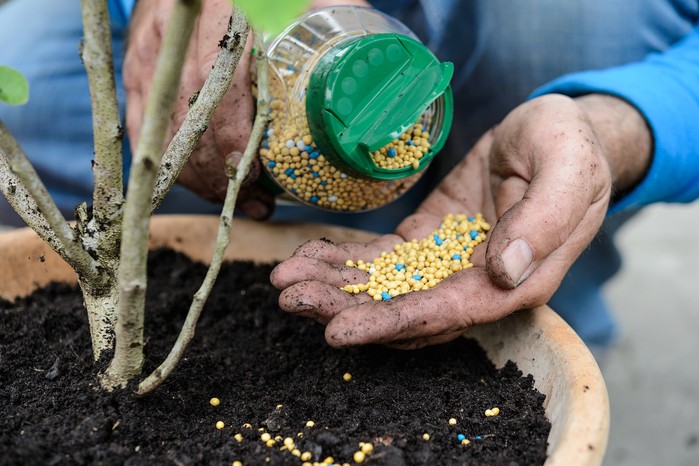
As an organic farmer, you’re constantly looking for ways to improve soil health and increase crop yields. One natural fertilizer that has been gaining popularity is bone meal, also known as farina di ossa in Italian. But what exactly is bone meal, and how can it benefit your garden?
What is Bone Meal?
Bone meal is a type of organic fertilizer made from ground animal bones, typically cow or pig bones. The bones are first crushed into smaller pieces, then heated to remove any impurities and sterilize the material. The resulting powder is rich in phosphorus, calcium, and nitrogen, making it an excellent natural fertilizer.
A Brief History of Bone Meal
Bone meal has been used as a natural fertilizer for centuries. In fact, it was one of the first fertilizers developed by humans. However, its use declined in the 20th century due to concerns about disease transmission and soil pollution. Today, bone meal is making a comeback as farmers and gardeners seek out more sustainable and environmentally friendly alternatives.
How Does Bone Meal Work?
Bone meal works by providing essential nutrients to plants. The phosphorus in bone meal helps promote root development, flower and fruit production, and overall plant health. Calcium, on the other hand, helps strengthen plant cell walls, making them more resistant to disease and pests. Nitrogen, meanwhile, promotes leaf growth and green color.
Types of Bone Meal
There are several types of bone meal available, including:
- Natural Bone Meal: Made from animal bones that have been sterilized using high heat or other methods.
- Organic Bone Meal: Made from animal bones that have not been sterilized.
- Calcium-Rich Bone Meal: Enhanced with additional calcium to promote plant growth.
Using Bone Meal in Your Garden
Bone meal can be used in a variety of ways, including:
- Mixing into soil: Simply mix bone meal into your soil as you would any other fertilizer.
- Amending acidic soils: Bone meal’s high calcium content helps neutralize acidic soils, promoting healthy plant growth.
- Composting: Mix bone meal with other compost materials to create a nutrient-rich fertilizer.
Benefits of Using Bone Meal
Using bone meal in your garden offers several benefits, including:
- Improved soil structure and fertility
- Increased crop yields and plant health
- Reduced reliance on synthetic fertilizers
- Environmentally friendly production process
How to Buy Bone Meal
Bone meal can be purchased at most gardening stores or online retailers. Some popular options include:
- Amazon: Offers a variety of bone meal products from different manufacturers.
- Local nurseries: Many local nurseries carry bone meal, either in-store or through their websites.
When purchasing bone meal, make sure to choose a reputable manufacturer that follows sustainable and environmentally friendly production practices.
Alternatives to Bone Meal
While bone meal is an excellent natural fertilizer, there are other options available. Some alternatives include:
- Fish bone meal: Made from fish bones, this fertilizer provides similar benefits to bone meal.
- Feather meal: Made from bird feathers, this fertilizer is rich in nitrogen and phosphorus.
Conclusion
Bone meal is a natural, sustainable fertilizer that offers numerous benefits for gardeners. By understanding how it works and using it effectively, you can improve soil health, increase crop yields, and promote overall plant well-being. Whether you’re a seasoned gardener or just starting out, bone meal is definitely worth considering.
Frequently Asked Questions
Here are some frequently asked questions about bone meal:
- What is the difference between natural bone meal and organic bone meal?
- Natural bone meal has been sterilized using high heat or other methods to kill off any bacteria or pathogens, while organic bone meal has not been sterilized.
- Is bone meal safe for human consumption?
- No, bone meal is not intended for human consumption and should only be used as a fertilizer in gardens.
- Can I use bone meal on plants that require acidic soils?
- Yes, bone meal’s high calcium content can help neutralize acidic soils and promote healthy plant growth.
- How much bone meal should I use per acre?
- The amount of bone meal needed will depend on the specific needs of your garden, but a general rule of thumb is to apply 1-2 pounds per acre annually.
- Can I mix bone meal with other fertilizers or soil amendments?
- Yes, bone meal can be mixed with other fertilizers or soil amendments to create a customized fertilizer blend.
Tips for Using Bone Meal Effectively
- Start by mixing a small amount of bone meal into your soil and observing how it affects plant growth.
- Bone meal is most effective when used in combination with other natural fertilizers, such as compost or manure tea.
- Reapply bone meal regularly to maintain soil fertility and promote healthy plant growth.
By following these tips and using bone meal effectively, you can create a thriving garden that benefits both your plants and the environment.


