
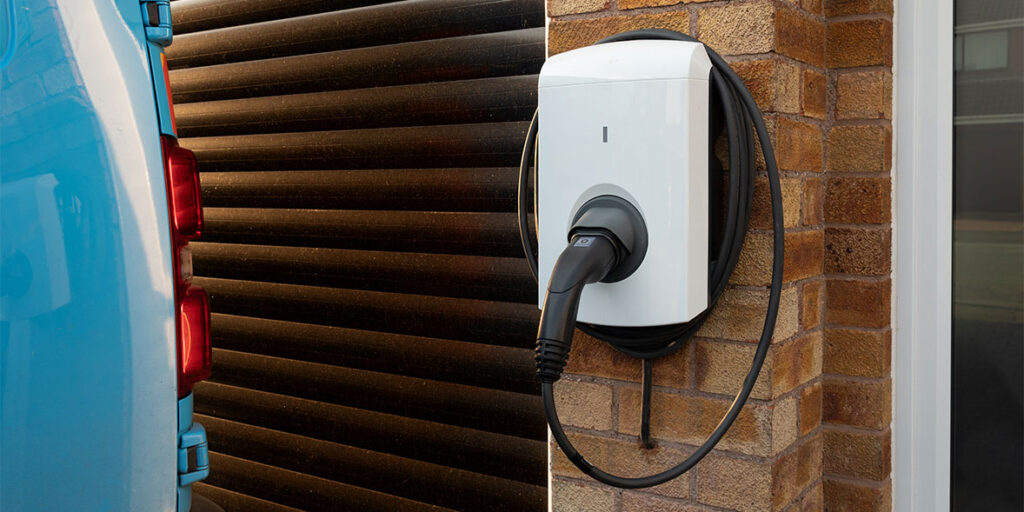
As the world shifts towards sustainable transportation, electric vehicles (EVs) have become an increasingly popular choice. One crucial aspect of owning an EV is understanding how to charge it efficiently and safely. In this article, we’ll explore whether charging your EV at home using a domestic outlet or a dedicated charger is the best option.
Understanding the Basics of Electric Vehicle Charging
Before diving into the details, let’s cover some fundamental concepts:
- Charging modes: EVs can be charged using three main modes:
- Level 1 (120V): This is the slowest method, typically used for overnight charging.
- Level 2 (240V): This method provides faster charging than Level 1 and is commonly used for home charging.
- DC Fast Charging: This is the fastest method, capable of delivering up to 350 kW.
- Charging methods: EVs can be charged using various methods, including:
- Wall-mounted chargers
- Home charging stations
- Public charging points
The Risks of Charging Your EV with a Domestic Outlet
While it’s possible to charge your EV at home using a domestic outlet, there are several reasons why this might not be the most convenient or cost-effective solution:
- Safety: Using a domestic outlet can pose safety risks, as it may not be designed for high-power charging. This could lead to electrical shock or even fires.
- Cost: Charging your EV with a domestic outlet can be expensive, especially if you’re using the standard 230V power supply. The cost of electricity is higher in many countries, making this option less economical.
The Analysis from the Touring Club Svizzero
A study by the Touring Club Svizzero compared the costs of charging three popular EV models (Citroen C-Zero, Nissan Leaf, and BMW i3) using different charging methods. The results were striking:
- Standard 230V outlet: This method was found to be the most expensive option, with estimated costs ranging from 1.9 euros to 2.88 euros per kilowatt-hour (kWh).
- Tariff-based charging: Even with tariff-based charging, which is often cheaper than standard rates, the cost of electricity remains relatively high.
The Benefits of a Dedicated Charger
So, what are the advantages of using a dedicated charger for your EV? Here are some key benefits:
- Safety: Dedicated chargers are designed specifically for high-power charging and can significantly reduce the risk of electrical shock or fires.
- Convenience: With a dedicated charger, you can charge your EV quickly and efficiently, without worrying about the limitations imposed by a domestic outlet.
- Cost-effectiveness: While the initial cost of a dedicated charger may seem high, it can pay for itself in the long run through reduced energy costs.
The Options Available
There are several options available for installing a dedicated charger at home, including:
- Wall-mounted chargers: These can be installed in a corner or against a wall and provide a convenient and safe way to charge your EV.
- Home charging stations: These are designed specifically for high-power charging and often come with smart features that allow you to monitor your energy usage and adjust your charging schedule accordingly.
Smart Charging: The Future of Home Charging
As the demand for EVs continues to grow, so does the need for efficient and convenient charging solutions. Smart charging systems are becoming increasingly popular, offering a range of benefits:
- Energy monitoring: Smart chargers can monitor your energy usage in real-time, helping you optimize your charging habits and reduce waste.
- Scheduling: With smart chargers, you can schedule your charging sessions to coincide with periods of low electricity demand, reducing strain on the grid.
- Remote control: Many smart chargers come with remote control features, allowing you to monitor and adjust your charging sessions from anywhere.
Conclusion
Charging your EV at home using a domestic outlet can be convenient, but it may not be the most cost-effective or safe option. Dedicated chargers offer several advantages, including safety, convenience, and cost-effectiveness. With so many options available, it’s essential to research and compare different charging methods before making an informed decision.
Frequently Asked Questions
- What is the most efficient way to charge my EV at home?
- Using a dedicated charger is generally the most efficient way to charge your EV at home.
- Can I use a domestic outlet for high-power charging?
- No, it’s not recommended to use a domestic outlet for high-power charging due to safety concerns.
- How much does a dedicated charger cost?
- The cost of a dedicated charger varies depending on the type and brand, but it can range from a few hundred to several thousand dollars.
- What are the benefits of using a smart charger?
- Smart chargers offer features such as energy monitoring, scheduling, and remote control, which can help you optimize your charging habits and reduce your energy costs.
By understanding the basics of EV charging and exploring the various options available, you can make an informed decision about how to charge your EV at home. Whether you choose a domestic outlet or a dedicated charger, the key is finding a solution that balances convenience, cost-effectiveness, and safety.


