
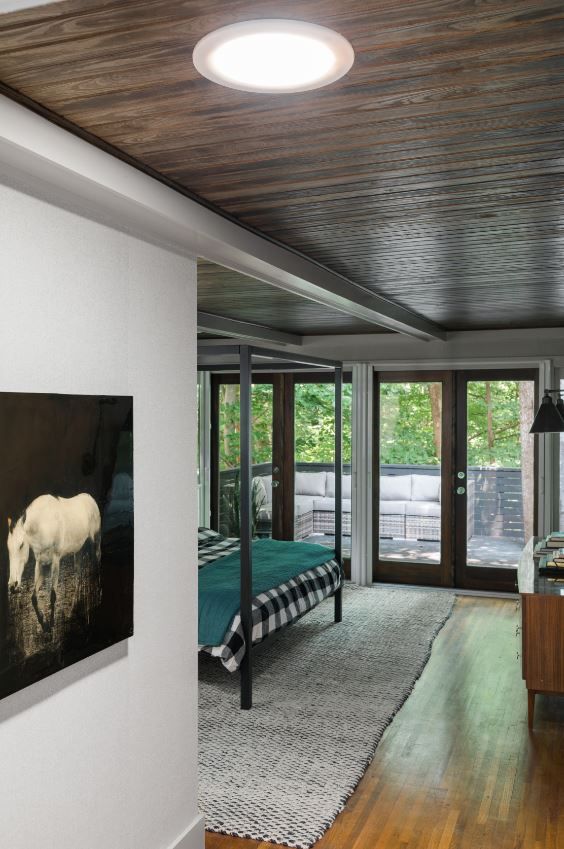
Introduction
Are you tired of living in a dark and dingy space? Do you want to reduce your energy bills while still enjoying the warmth and coziness of natural light? Look no further than solar tunnels. In this article, we will delve into the world of solar tunnels, exploring what they are, how they work, their benefits, and some of the considerations that come with installing one.
What is a Solar Tunnel?
A solar tunnel is a system designed to bring natural light into dark spaces like basements, garages, or attics. It consists of two main parts: the light tube and the diffuser. The light tube is usually made from aluminum or copper, which ensures maximum transmission of light and resistance to corrosion caused by heat.
The diffuser, on the other hand, is typically made from materials like polycarbonate or glass, which disperses light throughout the space. Some solar tunnels come equipped with ventilation systems to improve air quality in enclosed spaces like garages or basements.
History of Solar Tunnels
Solar tunnels have been used for centuries to bring natural light into buildings without relying on artificial lighting sources. The ancient Romans used solar tunnels to illuminate their homes and public buildings, while the Greeks and Egyptians also employed similar systems to provide natural light in their structures.
In modern times, solar tunnels have become more efficient and cost-effective due to advances in materials science and technology. Today, solar tunnels are a popular solution for homeowners and businesses looking to reduce energy costs and improve indoor air quality.
How Does a Solar Tunnel Work?
The operation of a solar tunnel is relatively straightforward. The tube is installed on the roof or exterior wall of a building and captures sunlight through a series of mirrors. This light is then reflected inside the tube and dispersed throughout the space by the diffuser. The amount of light captured depends on the position of the tube and the available sunlight outside.
How Much Light Does a Solar Tunnel Provide?
Solar tunnels can provide up to 550 lux of light, which is comparable to a 50-watt incandescent bulb. However, the actual amount of light provided will vary depending on the size of the tube and the amount of sunlight available outside.
How Many Tunnels Do I Need to Light Up an Entire Space?
The number of tunnels required to illuminate a space depends on its size and the amount of sunlight available. Generally, a single tunnel can light up up to 15 square meters (161 square feet) of space. If the space is larger, additional tubes will be necessary.
Benefits of Solar Tunnels
One of the primary benefits of solar tunnels is energy savings. Since they don’t require artificial lighting, you can reduce your energy bills and enjoy the warmth and ambiance of natural light.
However, there are also some potential drawbacks to consider:
- High Upfront Costs: Installing a solar tunnel can be expensive, especially if it requires extensive renovations or modifications to your home.
- Maintenance Requirements: Solar tunnels require regular maintenance to ensure they continue to function properly. This may include cleaning the tubes and diffusers, as well as inspecting the structure for any damage or wear.
Solar Tunnels with Ventilation
Some solar tunnels come equipped with ventilation systems that can improve air quality in enclosed spaces like garages or basements.
In conclusion, solar tunnels are a fantastic way to bring natural light into dark spaces while reducing energy costs. However, it’s essential to consider the potential drawbacks and take steps to ensure proper maintenance and upkeep.
Frequently Asked Questions
- How much does a solar tunnel cost?
- What materials are used in solar tunnels?
- Can solar tunnels be installed on any type of roof or wall?
- Are solar tunnels suitable for all types of spaces, including basements and garages?
- How long do solar tunnels typically last?
Answers to FAQs
- The cost of a solar tunnel can vary widely depending on factors like the size of the space being illuminated, the materials used in construction, and the complexity of the installation.
- Solar tunnels are often made from aluminum or copper for the light tube and polycarbonate or glass for the diffuser.
- Most solar tunnels can be installed on a variety of roofs and walls, including flat and pitched roofs, as well as walls with no windows.
- Yes, solar tunnels can be used in basements and garages to provide natural light without relying on artificial lighting sources.
- Solar tunnels are generally designed to last for many years, but the lifespan will depend on factors like maintenance, weather conditions, and the quality of materials used in construction.
Solar Tunnel Installation Considerations
Before installing a solar tunnel, it’s essential to consider several factors to ensure a successful installation:
- Space Constraints: Measure the space where you plan to install the tunnel to determine the optimal size.
- Roof Type: Ensure your roof is suitable for solar tunnel installation. Most roofs can accommodate tunnels, but some may require additional support or modifications.
- Ventilation: Consider installing a ventilation system to improve air quality in enclosed spaces like garages or basements.
- Maintenance Access: Ensure easy access to the tunnel and diffuser for regular maintenance.
Common Solar Tunnel Installation Mistakes
To avoid common mistakes, consider the following:
- Incorrect Tube Size: Measure your space accurately to ensure the correct tube size is used.
- Insufficient Ventilation: Install a ventilation system to prevent moisture buildup and maintain air quality.
- Poor Installation: Hire a professional installer to ensure proper installation and minimize potential issues.
Solar Tunnel Maintenance Tips
To keep your solar tunnel in top condition:
- Regular Cleaning: Clean the tubes and diffusers regularly to maintain light transmission and prevent damage.
- Inspect for Damage: Regularly inspect the structure for any signs of damage or wear, addressing issues promptly.
- Replace Wearable Parts: Replace wearable parts like seals and gaskets as needed to ensure proper function.
By understanding the benefits and considerations surrounding solar tunnels, you can make an informed decision about whether this innovative technology is right for your space.



