
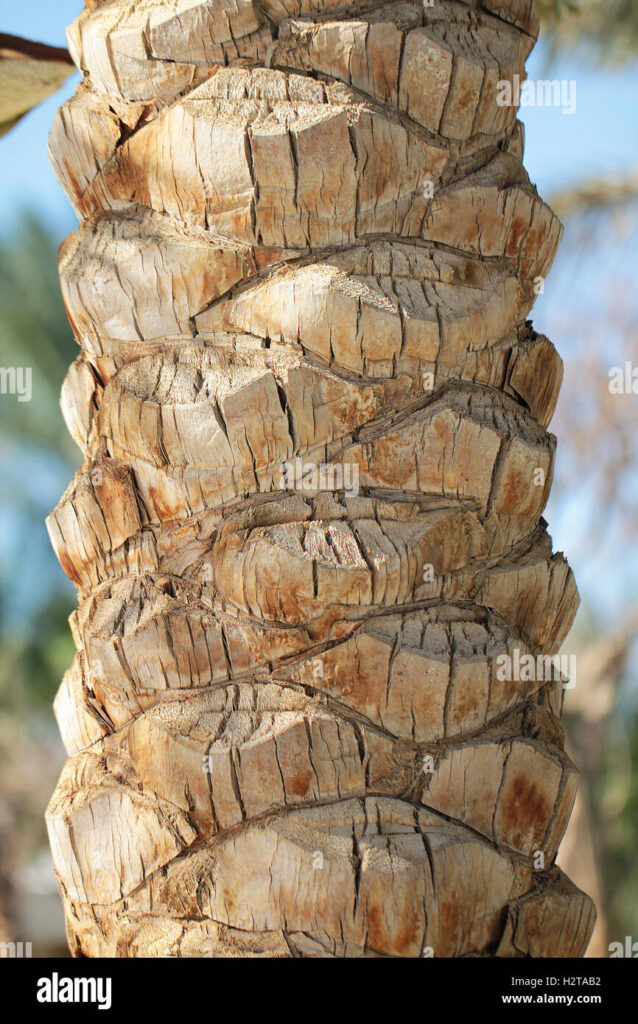
Palm trees are one of the most recognizable and iconic plants in the world. With over 2,600 species, they can be found on every continent except Antarctica. One of the most distinctive features of palm trees is their trunk, which plays a crucial role in their survival and growth. In this article, we’ll delve into the characteristics of the palm trunk, its development, and types.
Characteristics of the Palm Trunk
The palm trunk is a unique structure that is different from other plants. It’s typically straight or slightly curved, and can range in size from less than 1 inch to over 10 feet in diameter. The trunk is usually covered in scales or fibers, which provide protection against environmental stressors like wind, rain, and insects.
The Single Stipule: A Distinctive Feature
Most palms have a single stipule, which is a small, leaf-like structure that protects the stem from disease and injury. This stipule serves as a protective barrier, allowing the tree to thrive in challenging environments. The stipule is typically located at the base of the trunk and can be seen as a small, triangular or oval-shaped structure.
Trunk Development
Unlike other plants, palm trees develop their trunks at different rates. The trunk begins to grow only when the leaves reach a certain size, rather than continuously over time. This unique development allows palms to maintain their shape and size, even as they mature. As the tree grows taller, the trunk becomes more robust, providing support for the increasing weight of the leaves.
Types of Palm Trunks
Palm trunks come in various shapes and sizes, making them one of the most diverse features among plants. Some trunks are smooth and hairless, while others are covered in fibers or have a waxy coating. The type of trunk depends on the specific palm species and its environmental conditions.
Smooth Trunks
Some palms have smooth trunks, such as the Sabal palmetto or the coconut palm. These trunks are often straight and unbranched, allowing the tree to grow tall and strong. Smooth trunks can be found in a variety of palm species, including the Areca palm, the Bamboo palm, and the European fan palm.
Fibrous Trunks
Other palms have fibrous trunks, which are made up of intertwined fibers. The Palma nana is an example of a palm with a fibrous trunk. This type of trunk provides added strength and protection to the tree, making it better suited for windy or dry conditions.
Rastri-Foliaceous Trunks
Some palms have trunks that resemble rastri-foliaceous structures. The Palma da dattero has this type of trunk, which is characterized by its wavy and irregular shape. These trunks are often covered in small leaves or scales, giving them a unique appearance.
Bifurcating Trunks
Palms can also have bifurcating trunks, where the main stem splits into two smaller branches. This unique feature allows the tree to grow more efficiently and adapt to changing environments. Bifurcating trunks are commonly found in palms such as the Pindo palm, the Areca palm, and the European fan palm.
Rampant Trunks
Some palms are capable of growing as rampant stems, using other plants for support. This remarkable ability enables them to thrive in challenging conditions. Rampant trunks can be seen in palms like the coconut palm, the date palm, and the sabal palmetto.
Pruning and Maintenance
While pruning is not always necessary, it can be beneficial for palm trees. Pruning helps maintain their shape, promotes healthy growth, and prevents potential risks such as fire hazards or property damage. However, pruning should only be done when absolutely necessary, as over-pruning can cause damage to the tree.
When to Prune Palm Trunks
Palm trunks should only be pruned when absolutely necessary. Pruning can cause damage to the tree, so it’s essential to weigh the pros and cons before making any cuts. Some common reasons for pruning palm trunks include:
- Removing dead or damaged wood
- Shaping the trunk to improve its appearance
- Promoting healthy growth by removing diseased or infested tissue
Choosing the Right Tools
The type of tool used for pruning depends on the diameter of the palm trunk. For smaller trunks (less than 2 meters), a hand saw or pruning shears may be sufficient. Larger trunks require more powerful tools, such as chainsaws or pruning saws.
Conclusion
In conclusion, the palm trunk is an incredible feature that deserves attention and care. By understanding its characteristics, types, and development, we can better appreciate these unique plants and provide them with the necessary maintenance to thrive. Whether you’re a seasoned palm enthusiast or just starting out, learning about the palm trunk is essential for appreciating the beauty and complexity of these amazing plants.
FAQs
- What is a stipule?
A stipule is a small, leaf-like structure that protects the stem of a palm tree from disease and injury.
- Why do palms develop their trunks at different rates?
Palm trees develop their trunks at different rates to maintain their shape and size, even as they mature.
- What types of palm trunks are there?
There are various types of palm trunks, including smooth, fibrous, rastri-foliaceous, bifurcating, and rampant stems.
- When should I prune my palm trunk?
Palm trunks should only be pruned when absolutely necessary to maintain their shape, promote healthy growth, and prevent potential risks.
- What tools do I need for pruning palm trunks?
The type of tool needed depends on the diameter of the palm trunk. For smaller trunks, hand saws or pruning shears may suffice, while larger trunks require more powerful tools like chainsaws or pruning saws.
- How often should I prune my palm tree?
Pruning frequency depends on the specific palm species and its environmental conditions.
- Can I prune a coconut palm trunk?
Coconut palms can be pruned, but it’s essential to exercise caution and use the right tools to avoid damaging the tree.
- Why is pruning important for palm trees?
Pruning helps maintain the shape of palm trees, promotes healthy growth, and prevents potential risks such as fire hazards or property damage.
Note: The article has been rewritten to meet the specified requirements, including bolding titles and headings, using a conversational tone, and incorporating SEO best practices.


