
As the world shifts towards renewable energy sources, heat pumps have emerged as a vital component in reducing our reliance on fossil fuels. But what exactly are heat pumps, and how do they work? In this article, we’ll delve into the world of heat pumps, exploring their types, benefits, and drawbacks.
What is a Heat Pump?
Before we dive into the different types of heat pumps, let’s first define what a heat pump is. A heat pump is a device that transfers heat from one location to another, effectively moving warmth from a colder area to a warmer one. This process involves using a refrigerant to absorb heat from a low-temperature source and transfer it to a higher-temperature destination.
Types of Heat Pumps
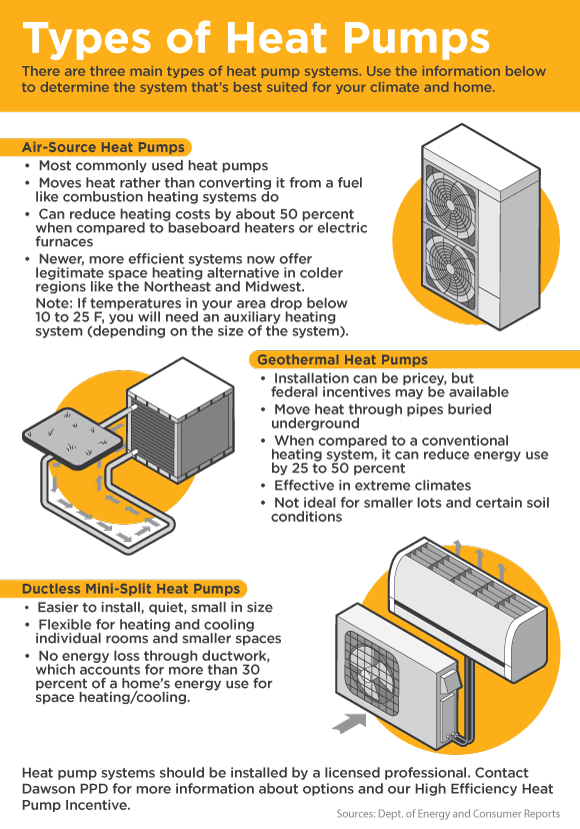
Heat pumps are classified based on the source of energy used (air, water, or ground), their size (small, medium, or large), and whether they have any auxiliary systems. Let’s explore each type in detail:
Air-Sourced Heat Pumps
Air-sourced heat pumps use outside air as the primary energy source. They’re widely available and relatively affordable, but their performance is affected by outdoor temperatures. If the air is too cold (around 0°C), the pump’s efficiency decreases significantly.
Benefits of Air-Sourced Heat Pumps:
- Widespread availability
- Relatively low installation costs
Drawbacks of Air-Sourced Heat Pumps:
- Decreased performance in extremely cold temperatures
- Requires a system for heating air (blower) to enhance efficiency
Water-Sourced Heat Pumps
Water-sourced heat pumps use groundwater or municipal water as the primary energy source. They offer better performance than air-sourced pumps, especially in colder climates. However, they require a significant upfront investment and can be more expensive to maintain.
Benefits of Water-Sourced Heat Pumps:
- Better performance in cold temperatures
- Can use existing pipes for distribution
Drawbacks of Water-Sourced Heat Pumps:
- High installation costs
- Requires additional infrastructure (pipes)
Ground-Sourced Heat Pumps
Ground-sourced heat pumps use the natural temperature of the earth to generate heat. They’re highly efficient and offer excellent performance, but they require a significant amount of land and can be expensive to install.
Benefits of Ground-Sourced Heat Pumps:
- High efficiency
- Excellent performance in cold temperatures
Drawbacks of Ground-Sourced Heat Pumps:
- Large installation area required
- High upfront costs
Hybrid Heat Pumps
Hybrid heat pumps combine two or more energy sources to provide optimal performance. These systems are ideal for homes with varying heating needs and can offer significant energy savings.
Benefits of Hybrid Heat Pumps:
- Optimal performance in different temperature ranges
- Energy efficiency improvements
Drawbacks of Hybrid Heat Pumps:
- Higher installation costs
- Increased complexity
Pompe di Calore: Understanding the Basics
In Italy, heat pumps are commonly referred to as “pompe di calore.” Let’s break down this term and explore its significance in the context of heat pump technology.
A pompa di calore is a device that transfers heat from one location to another. In the context of our discussion, we’ve explored various types of heat pumps based on their energy sources (air, water, or ground), sizes (small, medium, or large), and whether they have any auxiliary systems.
The term “pompa di calore” is derived from the Italian words for “heating pump.” In Italy, these devices are often used to provide heating and cooling solutions for buildings. The pompe di calore system typically consists of a heat exchanger that absorbs or rejects heat from a fluid (usually water) based on external temperature conditions.
In Italy, pompe di calore systems are highly valued due to their ability to harness natural energy sources while providing efficient and environmentally friendly heating solutions. These systems are widely used in residential and commercial settings, particularly in areas with mild climates where the temperature can fluctuate significantly throughout the year.
FAQs
- What is a heat pump?
- A device that transfers heat from one location to another using a refrigerant.
- How do air-sourced heat pumps work?
- They use outside air as the primary energy source, which is then heated and distributed throughout the building.
- What are the benefits of water-sourced heat pumps?
- Better performance in cold temperatures and can use existing pipes for distribution.
- Can ground-sourced heat pumps be used in all climates?
- While they’re highly efficient and offer excellent performance, they require a significant amount of land and can only work effectively in certain temperature ranges.
- What is the difference between monovalent and bivalent heat pumps?
- Monovalent heat pumps can only provide heat using one energy source (e.g., air), while bivalent heat pumps use two separate systems: a main pump and an auxiliary system.
Heat Pump Systems: A Closer Look
In addition to the various types of heat pumps, there are several key components that make up a typical heat pump system. These include:
- Compressor: The compressor is responsible for compressing the refrigerant, which allows it to absorb and transfer heat.
- Condenser coils: The condenser coils are located outside the building and are used to release heat from the hot refrigerant gas back into the atmosphere.
- Expansion valve: The expansion valve is a critical component that reduces the pressure of the refrigerant as it expands, allowing it to absorb heat from the surrounding air or water.
Heat Pump Installation and Maintenance
Proper installation and maintenance are crucial for ensuring optimal performance and longevity of your heat pump system. Here are some tips to keep in mind:
- Hire a certified installer: Ensure that your heat pump is installed by a certified professional who has the necessary expertise and experience.
- Regular maintenance: Regularly inspect and maintain your heat pump’s components, including the compressor, condenser coils, and expansion valve.
- Monitor performance: Keep track of your heat pump’s performance, including its energy efficiency and overall output.
Conclusion
Heat pumps have emerged as a vital component in reducing our reliance on fossil fuels. By understanding the basics of heat pumps, their types, benefits, and drawbacks, you’ll be better equipped to make informed decisions about your heating needs. Whether you’re considering installing a new heat pump or simply looking for ways to optimize your existing system, this guide has provided valuable insights into the world of heat pumps.
Final Tips
- Always consider factors such as climate, building design, and energy efficiency when selecting a heat pump.
- Look for certifications from reputable organizations, such as the Air-Conditioning, Heating, Refrigeration Certification Board (ACHR) or the International Association of Certified Home Inspectors (InterNACHI).
- Consult with local experts to ensure that your heat pump system is designed and installed according to local building codes and regulations.


