
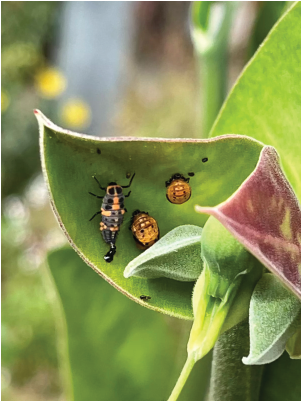
As summer approaches, even on city balconies and terraces, the ladybug makes its appearance, with its striking color contrast that stands out against the foliage of ornamental shrubs. The ladybug’s iconic red and black spots have become synonymous with gardens and green spaces, symbolizing a healthy and balanced ecosystem. But beyond its recognizable appearance, the ladybug plays a vital role in maintaining the delicate balance between beneficial and harmful insects.
Who are the Ladybugs?
These insects, belonging to the coleopteran group and present in every corner of the globe with approximately 6,000 described species, are precious assistants to gardeners and must be protected and respected. In reality, the true friends of plants are the larvae of ladybugs, which, unlike those of many other insects, do not feed on vegetables (and therefore do not harm cultivated plants) but are carnivorous and feed on a large quantity of harmful insect larvae.
Why Ladybug Larvae Are Beneficial
This is why it shouldn’t worry you if, while decorating your balcony or terracotta with ornamental plants, small black ladybug eggs are discovered on the leaves: the larvae that emerge will be among the worst enemies of aphids and scale insects. Just think that every larva, from birth to metamorphosis, devours between 200 and 600 aphids. This staggering number highlights the importance of ladybugs in controlling pest populations and maintaining a balanced ecosystem.
Biological Control: A Natural Solution
The fight against harmful insects carried out in this way takes its name from biological control, which has the advantage of not introducing polluting substances into the environment, particularly insecticides. The use of insecticides is also advisable to avoid eliminating beneficial insects, such as ladybugs, along with the harmful ones. The ideal would be for nature to establish its own balances without any chemical intervention.
Why Ladybugs are Valuable Allies
Ladybugs have been recognized as valuable allies in gardening for centuries. They are natural predators of aphids, whiteflies, and other pests that can damage plants. By introducing ladybug larvae into your garden, you can create a balanced ecosystem where beneficial insects thrive alongside those that harm plants. This synergy is essential for maintaining a healthy and thriving garden.
The History of Ladybug Use
The use of ladybugs as biological control agents dates back to ancient times. The Chinese were among the first to cultivate aphid-eating ladybugs for their gardens. In Europe, during the Middle Ages, ladybugs were introduced into vineyards and orchards to protect against pests. This long history of utilizing ladybugs as a natural pest control method highlights their value in maintaining a balanced ecosystem.
How to Encourage Ladybug Larvae
To encourage ladybug larvae in your garden:
- Plant flowers that attract beneficial insects, such as marigolds, sunflowers, and zinnias
- Provide shelter for ladybug larvae by using mulch or leaves around plants
- Avoid using broad-spectrum pesticides, which can harm or kill beneficial insects
Ladybugs vs. Pesticides
Insecticides are often used to control pests in gardens, but these chemicals can also harm beneficial insects like ladybugs. By introducing biological control agents like ladybug larvae into your garden, you can reduce the need for pesticides and create a more balanced ecosystem.
Benefits of Ladybugs in Gardening
The introduction of ladybug larvae into your garden offers several benefits:
- Natural pest control: Ladybugs feed on aphids and other pests, reducing the need for chemical pesticides
- Balanced ecosystem: By introducing beneficial insects, you can maintain a healthy balance between predators and prey
- Environmentally friendly: Biological control methods avoid the use of harmful chemicals, creating a more sustainable gardening approach
Common Challenges
While ladybugs are valuable allies in gardening, there are several challenges to consider:
- Habitat destruction: Urbanization and habitat destruction can lead to reduced populations of beneficial insects like ladybugs
- Chemical contamination: The use of pesticides can harm or kill ladybugs, disrupting the balance of ecosystems
- Climate change: Changes in temperature and precipitation patterns can impact the distribution and abundance of ladybug species
How to Create a Ladybug-Friendly Garden
To create a garden that attracts and supports ladybug larvae:
- Plant a variety of flowers that attract beneficial insects, such as marigolds, sunflowers, and zinnias
- Provide shelter for ladybug larvae by using mulch or leaves around plants
- Avoid using broad-spectrum pesticides, which can harm or kill beneficial insects
- Create a diverse ecosystem with a mix of native plants, trees, and shrubs
Ladybugs in Urban Gardens
While ladybugs are often associated with rural gardens, they can also thrive in urban environments. By incorporating ladybug-friendly features into your balcony or terrace, you can attract these beneficial insects:
- Plant flowers that attract beneficial insects
- Provide shelter for ladybug larvae
- Avoid using broad-spectrum pesticides
Conclusion: The Power of Ladybugs
Ladybugs are natural allies that can help protect plants from pests. By understanding their value as biological control agents, we can work to encourage these beneficial insects in our gardens and create a healthier environment for all. Whether you’re an urban gardener or a rural farmer, incorporating ladybug-friendly features into your garden can make a significant difference.
FAQs
- What do ladybug larvae eat?
Ladybug larvae feed on the larvae of other insects, such as aphids and scale insects. - Why are ladybugs beneficial to gardens?
Ladybugs are natural predators of pests that can damage plants, making them valuable allies in gardening. - Can I keep ladybugs as pets?
Yes, many people keep ladybug larvae or adult ladybugs as pets, but it’s essential to ensure they are raised and cared for properly. - How do I encourage ladybug larvae in my garden?
Plant flowers that attract beneficial insects, provide shelter for ladybug larvae, and avoid using broad-spectrum pesticides. - Can insecticides harm ladybugs?
Yes, insecticides can harm or kill ladybugs, making it essential to use biological control agents like ladybug larvae instead. - How many species of ladybugs are there?
There are approximately 6,000 described species of ladybugs worldwide. - What is the difference between a ladybug and a beetle?
Ladybugs belong to the coleopteran group and are characterized by their distinctive markings and oval shapes. - Can I use ladybugs as natural pest control in my garden?
Yes, introducing ladybug larvae into your garden can be an effective way to control pests using biological control.
By understanding the value of ladybugs in maintaining a balanced ecosystem and incorporating these beneficial insects into our gardens, we can create healthier and more sustainable environments for all.


