
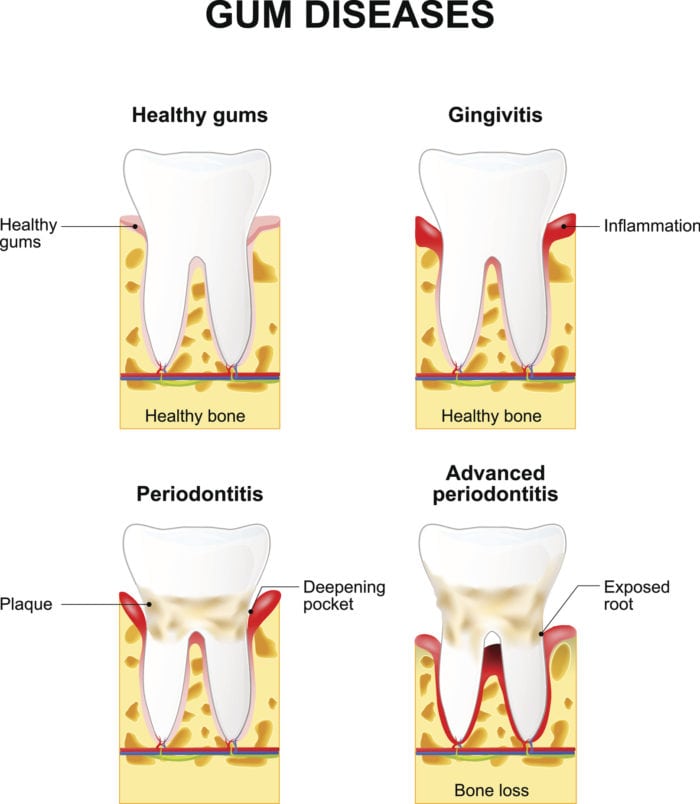
Gingivitis is a common oral health issue that affects millions of people worldwide. It’s not just about cavities or tooth decay; it’s about the entire cavity of your mouth, including your tongue, palate, and gums. In this article, we’ll delve into the causes, remedies, and more to help you understand and manage gingivitis.
What is Gingivitis?
Gingivitis is a generic term for an inflammation of the area surrounding your teeth, known as the gum tissue or gingiva. The primary cause of bleeding gums (gingivitis) is poor oral hygiene, particularly the formation of plaque on your teeth.
Causes of Gingivitis
Before we dive into the remedies and treatments, let’s quickly explore the causes of gingivitis:
- Poor oral hygiene: Not brushing or flossing regularly can lead to the accumulation of plaque and tartar on your teeth.
- Inadequate use of dental tools: Using a toothbrush or interdental brush incorrectly can exacerbate the problem.
- Nutritional deficiencies: Lack of calcium, vitamins, and other essential nutrients can weaken your gums and make them more susceptible to inflammation.
Other Contributing Factors
Some additional factors that may contribute to gingivitis include:
- Eating disorders (e.g., anorexia or bulimia)
- Certain medical conditions (e.g., leukemia, liver or kidney disease)
- Poor dental care
Remedies and Treatments for Gingivitis
Now that we’ve covered the causes and contributing factors, let’s move on to the remedies and treatments:
Dental Care
- Regular brushing: Brush your teeth at least twice a day with an fluoride toothpaste.
- Flossing: Use an interdental brush or floss once daily to remove plaque from between your teeth.
- Regular dental check-ups: Visit your dentist every six months for professional cleaning and examination.
Natural Remedies
Here are some natural remedies you can try:
- Saltwater rinse: Mix one teaspoon of salt with eight ounces of warm water and swish it around your mouth for 30 seconds before spitting it out.
- Tea bags: Soak a tea bag in hot water, let it cool down, and apply it to the affected area for five minutes. Repeat this process several times a day.
- Essential oils: Mix ten drops of peppermint essential oil with one tablespoon of olive oil and apply it to your gums using a cotton swab.
Prevention
Preventing gingivitis is easier than treating it. Here are some tips:
- Eat a balanced diet rich in fruits, vegetables, and whole grains.
- Avoid sugary drinks and snacks.
- Chew sugar-free gum after meals to stimulate saliva production.
- Quit smoking and limit your exposure to secondhand smoke.
Dietary Changes for Gingivitis
Certain foods can help prevent or alleviate gingivitis. Here are some dietary changes you can make:
- Increase calcium intake: Calcium-rich foods like milk, cheese, and yogurt can help strengthen your gums.
- Eat vitamin C-rich foods: Foods high in vitamin C, such as citrus fruits and leafy greens, can boost your immune system and reduce inflammation.
- Consume omega-3 fatty acids: Omega-3 rich foods like salmon and walnuts can help reduce inflammation and promote healthy gum tissue.
Gingivitis Symptoms
If you’re experiencing any of the following symptoms, it’s essential to visit your dentist:
- Bleeding gums
- Redness and swelling in the gums
- Bad breath or a foul taste in your mouth
- Pain when biting or chewing
Consequences of Gingivitis
Untreated gingivitis can lead to more severe complications, such as:
- Periodontitis: A bacterial infection that can cause bone loss and tooth loss.
- Heart disease: Research suggests that there may be a link between gum disease and an increased risk of heart disease.
- Systemic diseases: Gum disease has been linked to various systemic diseases, including diabetes, respiratory infections, and even Alzheimer’s disease.
Conclusion
Gingivitis is a common oral health issue that can be managed with proper care and treatment. By understanding its causes, using natural remedies, and practicing good dental hygiene, you can prevent and treat gingivitis effectively. Don’t hesitate to visit your dentist if you experience any signs of gum disease.
Frequently Asked Questions (FAQs)
Q: What is the difference between gingivitis and periodontitis?
A: Gingivitis is an inflammation of the gums, while periodontitis is a more severe infection that can cause bone loss and tooth loss.
Q: Can I treat gingivitis at home?
A: While natural remedies like saltwater rinses and tea bags can help alleviate symptoms, it’s essential to visit your dentist for proper diagnosis and treatment.
Q: How often should I brush my teeth?
A: Brushing your teeth at least twice a day with fluoride toothpaste is recommended.
Q: Can gingivitis be prevented?
A: Yes, by practicing good oral hygiene, eating a balanced diet, and avoiding sugary drinks and snacks.
Q: Are there any foods that can help prevent gingivitis?
A: Foods rich in calcium, vitamins, and other essential nutrients can help strengthen your gums and reduce the risk of gum disease.
Q: Can I use hydrogen peroxide to treat gingivitis?
A: While hydrogen peroxide can be used as a mouthwash, it’s not recommended for treating gingivitis. Instead, visit your dentist for proper treatment.
Preventing Gingivitis in Children
Teaching children good oral hygiene habits from an early age is crucial in preventing gingivitis:
- Brush their teeth at least twice a day with fluoride toothpaste.
- Floss once daily to remove plaque from between their teeth.
- Limit sugary drinks and snacks.
- Visit your dentist regularly for professional cleanings and examinations.
Managing Gingivitis While Pregnant
Pregnancy can increase the risk of gum disease due to hormonal changes:
- Practice good oral hygiene by brushing and flossing regularly.
- Eat a balanced diet rich in fruits, vegetables, and whole grains.
- Visit your dentist regularly for professional cleanings and examinations.
Gingivitis and Mental Health
Research suggests that there may be a link between gum disease and mental health:
- Stress can exacerbate gum disease symptoms.
- Research indicates that people with periodontal disease are more likely to experience depression and anxiety.
- Practicing good oral hygiene and visiting your dentist regularly can help alleviate symptoms of mental health issues.


