
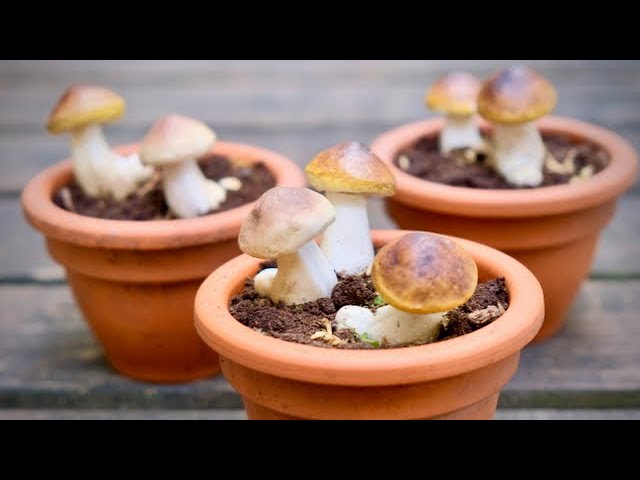
If you’re a mushroom enthusiast, it’s likely that you’ve heard of the prized Boletus edulis, also known as porcini mushrooms. Native to Europe, North America, and Asia, these fungi have been cherished for their unique flavor and aroma. While some may think that foraging for wild mushrooms is the only way to experience their full potential, cultivating them in a controlled environment can be just as rewarding.
However, before we dive into the world of mushroom cultivation, it’s essential to acknowledge the importance of prudence when dealing with fungi. While porcini mushrooms are generally easy to identify, they can also be mistaken for other species, some of which may be toxic or even deadly. Therefore, it’s crucial to approach mushroom cultivation with caution and a willingness to learn.
The Basics of Mushroom Cultivation
Not all mushroom varieties are suitable for cultivation at home. Boletus edulis, in particular, requires specific conditions to thrive. To succeed, you’ll need to create an environment that mimics the natural habitat of these fungi. This includes providing the right balance of moisture, temperature, and light, as well as introducing compatible plants that can form symbiotic relationships with the mushrooms.
Creating the Ideal Environment
To recreate the ideal environment for porcini mushrooms, you’ll need to consider several factors:
- Humidity: A consistently humid environment is essential for the growth of Boletus edulis. Aim for a relative humidity of 70-80%.
- Lighting: While these fungi don’t require direct sunlight, they do benefit from partial shading.
- Temperature: Maintain a temperature range of 55-65°F (13-18°C) during the day and around 50-55°F (10-13°C) at night.
Selecting Compatible Plants
Porcini mushrooms have a symbiotic relationship with certain plants, particularly those from the oak family. By introducing these compatible plants into your cultivation area, you can create a mutually beneficial environment for both the fungi and the plants. Some examples of suitable companion plants include:
- Oak trees (Quercus spp.)
- Hazel trees (Corylus avellana)
- Chestnut trees (Castanea sativa)
Obtaining Spores or Seedlings
To initiate your mushroom cultivation project, you can choose to purchase spores or seedlings from reputable suppliers. Be sure to research the supplier’s reputation and ensure that they provide high-quality products.
The Importance of Patience
Cultivating porcini mushrooms requires patience, dedication, and a willingness to learn. The growth cycle can take several years, and it’s essential to monitor your cultivation area regularly to ensure optimal conditions.
While cultivating porcini mushrooms may seem like a daunting task, the rewards are well worth the effort. With the right knowledge, tools, and environment, you can successfully grow these prized fungi in the comfort of your own home.
Frequently Asked Questions
Q: What is the best way to obtain spores for porcini mushroom cultivation?
A: You can purchase spores from reputable suppliers or online retailers specializing in mushroom cultivation. Be sure to research the supplier’s reputation and ensure that they provide high-quality products.
Q: How long does it take for porcini mushrooms to grow?
A: The growth cycle of porcini mushrooms can take several years, depending on factors such as temperature, humidity, and light exposure.
Q: Can I grow porcini mushrooms in my backyard?
A: Yes, but you’ll need to create an environment that mimics the natural habitat of these fungi. This includes providing the right balance of moisture, temperature, and light, as well as introducing compatible plants.
Q: Are there any specific precautions I should take when handling porcini mushrooms?
A: Yes, be sure to handle porcini mushrooms with care, as they can cause allergic reactions or other health issues in some individuals.
Common Challenges in Cultivating Porcini Mushrooms
Cultivating porcini mushrooms can be challenging, and several common issues may arise. Some of these challenges include:
- Pests: Pests such as flies, ants, and rodents can damage your cultivation area or infest your mushroom crops.
- Diseases: Diseases such as root rot, leaf spot, and fungal infections can affect the health and productivity of your porcini mushrooms.
- Humidity: Maintaining optimal humidity levels is crucial for healthy mushroom growth. If humidity levels drop too low, mushrooms may not grow at all.
Advanced Techniques in Cultivating Porcini Mushrooms
As you gain more experience with cultivating porcini mushrooms, you can experiment with advanced techniques to improve yields and quality. Some of these techniques include:
- Shading: Providing shade for your cultivation area can help regulate temperature and humidity levels.
- Mulching: Mulching around the base of your plants can help retain moisture and suppress weeds.
- Fertilization: Fertilizing your plants with organic matter can promote healthy growth and fruiting.
Conclusion
Cultivating porcini mushrooms is a rewarding experience that requires patience, dedication, and a willingness to learn. By understanding the basics of mushroom cultivation, selecting compatible plants, and maintaining optimal conditions, you can successfully grow these prized fungi in the comfort of your own home. With advanced techniques and knowledge, you can take your cultivation skills to the next level and enjoy the rich flavors and aromas that porcini mushrooms have to offer.
Additional Resources
For those interested in learning more about cultivating wild mushrooms, there are several additional resources available:
- Online forums and communities dedicated to mushroom cultivation
- Books on mushroom identification, cultivation, and foraging
- Workshops and courses on mushroom cultivation and mycology
By combining these resources with hands-on experience, you can become a skilled cultivator of wild mushrooms and enjoy the many rewards that this hobby has to offer.


