
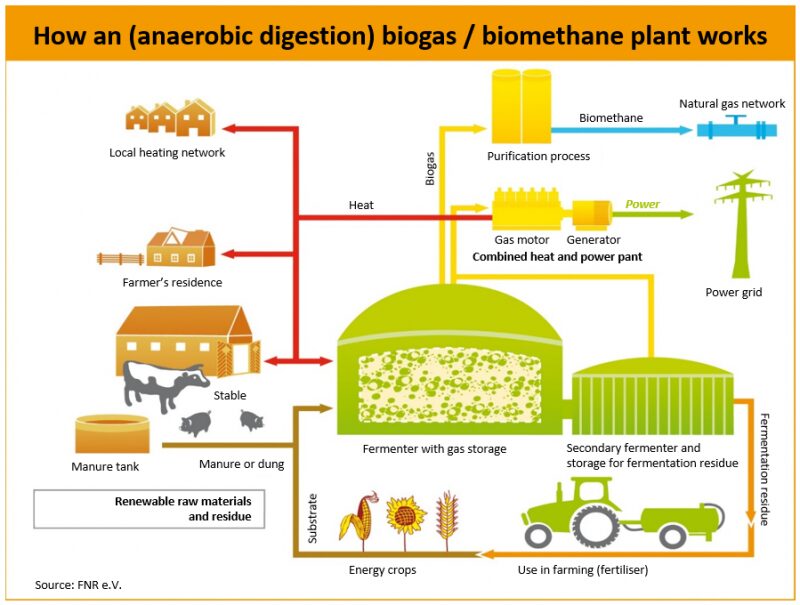
As we look to the future of agriculture, one innovative solution is gaining traction: biometano, a clean-burning fuel derived from agricultural waste. In this article, we’ll explore how biometano can become an integral part of farmers’ income streams, as well as its potential applications in transportation and energy production.
What is Biogas and Biomethane?
Biometano, also known as biomethane, is a type of renewable natural gas (RNG) produced from the anaerobic digestion of organic matter such as agricultural waste. This process involves the breakdown of organic materials into biogas, which can be used as a fuel for various applications.
The Benefits of Biometano for Farmers
For farmers, biometano offers several benefits that can enhance their income streams:
- Incentivized Production: The Italian government has introduced incentives to encourage the production of biomethane from agricultural waste. This means that farmers can earn revenue by producing biogas from their crop residues.
- Carbon Credits: Biomethane produced from agricultural waste can be sold as a carbon-neutral fuel, generating revenue for farmers while reducing greenhouse gas emissions.
- Energy Diversification: Biometano can be used to power vehicles, heating systems, and other appliances, providing an additional source of income for farmers.
Transportation Applications
Biometano has the potential to revolutionize transportation by offering a cleaner, more efficient alternative to fossil fuels. Here are some ways biometano is being used in transportation:
- Buses and Trucks: Biometano can be used as a fuel for buses and trucks, reducing greenhouse gas emissions and operating costs.
- Autotransportation: Farmers can produce biogas from their crop residues and sell it to companies that use it as a fuel for autotransportation services.
- Stations of Refueling: Biometano can be used to create stations of refueling, providing a convenient and efficient way to transport goods.
The Future of Energy
As the world transitions towards renewable energy sources, biogas and biomethane are expected to play an increasingly important role. Here are some trends shaping the future of energy:
- Electrification: The use of electricity is becoming more widespread, with many countries aiming to electrify their transportation systems.
- Hybrid Energy Systems: Biometano can be used in hybrid energy systems that combine gas and electricity production.
- Carbon Capture and Storage: Biomethane produced from agricultural waste can be sold as a carbon-neutral fuel, generating revenue for farmers while reducing greenhouse gas emissions.
Conclusion
Biometano has the potential to become an integral part of farmers’ income streams, providing a cleaner, more efficient alternative to fossil fuels. As the world transitions towards renewable energy sources, biogas and biomethane are expected to play an increasingly important role in shaping the future of energy.
Frequently Asked Questions
Q: What is the difference between biometano and biogas?
A: Biometano is a type of biomethane that is produced from agricultural waste, while biogas can be produced from various sources, including wastewater treatment plants and landfills.
Q: Can biometano be used in cooking?
A: No, biometano should not be used for cooking as it is not designed for human consumption. However, it can be used to power vehicles, heating systems, and other appliances.
Q: How much money can farmers earn from producing biometano?
A: The amount of money farmers can earn from producing biometano depends on the quantity produced, the price paid per unit, and the incentives offered by the government.
Q: Is biometano a sustainable energy source?
A: Yes, biometano is considered a sustainable energy source as it can be produced from renewable biomass sources such as agricultural waste.
Q: Can biometano be used in industrial processes?
A: Yes, biometano can be used to power industrial processes such as cement production and paper manufacturing.
Q: How does the production of biometano impact greenhouse gas emissions?
A: The production of biometano from agricultural waste results in a significant reduction in greenhouse gas emissions compared to traditional fossil fuel-based energy sources.


