
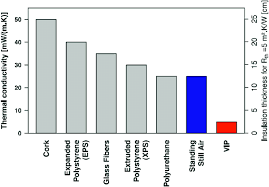
A good thermal insulation can significantly improve the energy efficiency of buildings. Among the proposals on the market are eco-friendly and natural insulation materials, low-conductivity insulation materials that utilize air and some gases, and actual insulation systems.
Introduction to Insulation Materials
When designing an eco-friendly house, it’s essential to consider various insulation materials available in the market. Here are some of the most popular ones:
-
Duo Concept
- This material is composed of two woolstone panels separated by a greased aluminum sheet that forms a ventilated gap.
- The airflow prevents mold and moisture formation, while also providing excellent thermal insulation.
- It can be paired with exterior finishes such as lime mortar and intonachino to enhance its performance.
-
NaturalWall
- A wood-fiber panel that combines thermal insulation properties with breathability, preventing mold growth.
- Certified by the European Technical Assessment (ETA), this material is suitable for wall systems.
-
Face Work
- This system integrates thermal insulation into a stone and tile facade, providing excellent sound and heat insulation.
-
Mapetherm
- A ventilation-enhanced insulation system that uses pannellated insulators with fiber-reinforced glass grids on top of the surface.
The Role of Materials in Insulation
Insulation materials can be diverse, including waxes, wool, wood fibers, glasses, mineralized woods, and synthetic products. These materials play a crucial role in ensuring energy efficiency, as they help reduce heat transfer between indoors and outdoors.
When it comes to insulation, there are many factors to consider, including the “Fattore U,” which represents thermal conductivity. The lower the Fattore U value, the better the material for building insulation. Moreover, double-glazed windows can significantly decrease Fattore U values due to their air-filled gap and low heat transfer capabilities.
Understanding Thermal Conductivity
Thermal conductivity is a measure of how easily heat passes through a material. It’s essential to understand that materials with high thermal conductivity allow heat to pass through more efficiently, while those with low thermal conductivity slow down heat transfer. In the context of insulation, lower thermal conductivity means better performance in reducing heat loss.
By understanding the properties and applications of different insulation materials and their role in achieving energy efficiency, builders can make informed decisions when designing eco-friendly buildings.
Here are some frequently asked questions regarding insulation:
- What is thermal insulation?
Thermal insulation refers to the process of reducing heat transfer between indoors and outdoors. - Which material offers the best thermal insulation performance?
The most effective materials for thermal insulation include those with low thermal conductivity, such as air-filled gaps in double-glazed windows or woolstone panels like Duo Concept. - Can natural materials be used for insulation?
Yes, natural materials such as waxes, wood fibers, and mineralized woods are widely used for their excellent thermal insulation properties. - How can I reduce heat transfer through walls?
By using materials with low thermal conductivity and implementing systems like Duo Concept or NaturalWall. - What is the Fattore U, and why is it important?
The Fattore U represents thermal conductivity, which directly affects a material’s ability to insulate. Lower values indicate better insulation performance. - Are there any other factors besides thermal conductivity that influence insulation efficiency?
Yes, including airflow patterns, moisture levels, and the type of construction used in building design.
Conclusion
In conclusion, effective insulation materials play a vital role in achieving energy efficiency in buildings. By understanding the properties and applications of various materials and their impact on thermal conductivity, builders can make informed decisions when designing eco-friendly structures. Whether it’s Duo Concept, NaturalWall, Face Work, or Mapetherm, there are numerous options available to ensure optimal insulation performance.
Some additional benefits of using effective insulation materials include:
- Reduced Energy Costs
By minimizing heat transfer, you can save money on heating and cooling bills. - Increased Comfort
Insulation helps maintain a consistent indoor temperature, creating a more comfortable living space. - Environmental Benefits
Using eco-friendly insulation materials reduces greenhouse gas emissions and minimizes environmental impact.
When selecting the right insulation material for your project, consider factors such as durability, maintenance requirements, and compatibility with various building materials.


