
Setting Up a Marine Aquarium: A Comprehensive Guide
Understanding the Basics of a Marine Aquarium
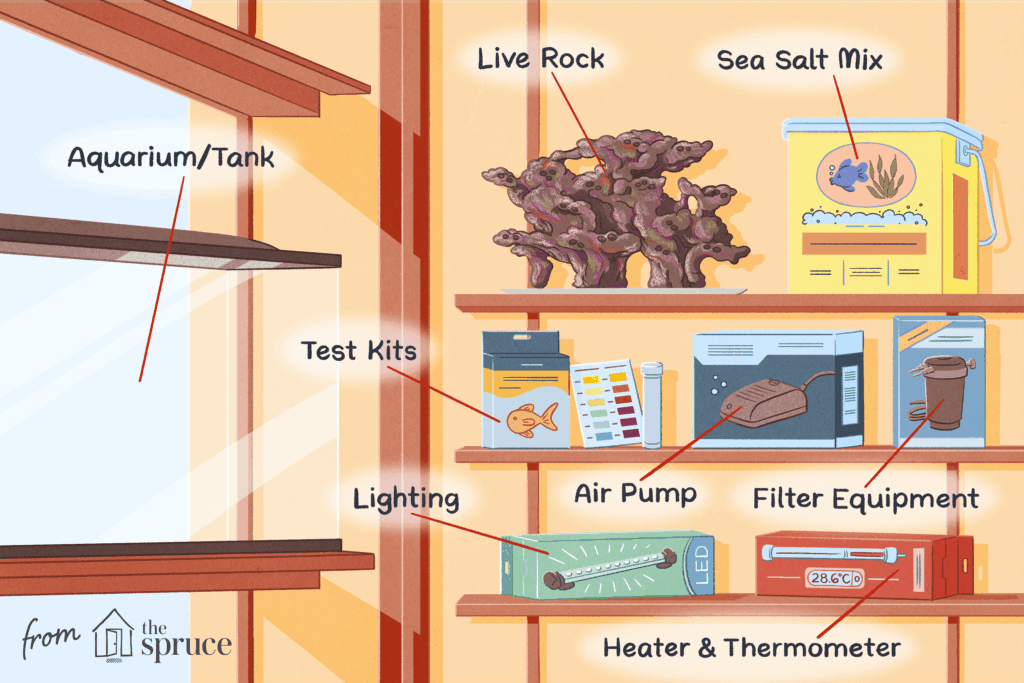
If you’re new to setting up a marine aquarium, it can be overwhelming to know where to start. In this article, we’ll take a closer look at the essential items you’ll need to get started, as well as some valuable tips and considerations.
A marine aquarium is fundamentally different from a freshwater aquarium. The tank itself, lighting, substrate, and filtration systems all have specific requirements.
Choosing the Right Tank
When it comes to selecting a tank for your marine aquarium, there are several factors to consider. One of the most important things is size. You’ll want to choose a tank that’s large enough to accommodate the type of fish or invertebrates you’re interested in keeping.
For example, if you’re planning to keep corals, you’ll need a larger tank with plenty of space for them to grow and thrive. On the other hand, if you’re looking to keep smaller species like shrimp or snails, a smaller tank will suffice.
The Importance of Depth
Another key consideration when it comes to tank size is depth. For marine aquariums, it’s generally recommended to have a deeper tank than one that would be suitable for a freshwater aquarium.
This is because marine fish and invertebrates require different light levels, which can be achieved by creating zones with varying levels of illumination.
The Role of Filtration
Filtration is another critical component of a marine aquarium. You’ll need to choose a filtration system that’s designed specifically for saltwater use.
There are two main types of filtration systems: natural and chemical. Natural filtration systems use biological processes to remove waste products from the water, while chemical filtration systems use chemicals to neutralize harmful substances.
Lighting for Marine Aquariums
Lighting is also an essential component of a marine aquarium. You’ll need to choose lighting that’s designed specifically for saltwater use, as freshwater fish and invertebrates don’t require the same level of light.
There are several types of lighting available, including tubular lights (such as T5s), fluorescent lights, and LED lights.
The Sump: A Central Component
Finally, you’ll need to choose a sump (also known as a protein skimmer) for your marine aquarium. The sump is essentially a central component that helps to remove waste products from the water and recycle nutrients back into the system.
Acquiring the Right Equipment
Once you’ve chosen the right tank, filtration system, and lighting for your marine aquarium, it’s time to start acquiring the necessary equipment.
Here are some essential items to consider:
- Gravel: Gravel is an essential component of any aquarium. It helps to stabilize the substrate, prevent leaks, and create a natural habitat for your fish and invertebrates.
- Substrate: Substrate refers to the material that lines the bottom of your tank. Popular options include sand, coral sand, and aragonite.
- Decorations: Decorations such as rocks, coral, and artificial reefs can help to create a natural habitat for your fish and invertebrates.
Equipment Options
There are many different types of equipment available for marine aquariums, including:
- Protein skimmers: These devices use protein-rich compounds in the water to remove waste products.
- Heater controllers: These devices control the temperature of your tank and ensure that it remains within a safe range for your fish and invertebrates.
- Lighting systems: As mentioned earlier, lighting is an essential component of any marine aquarium. You’ll need to choose a system that provides sufficient light for your tank’s inhabitants.
Setting Up Your Tank
Once you’ve acquired all of the necessary equipment, it’s time to set up your tank. Here are some steps to follow:
- Choose a location for your tank that is safe from direct sunlight and drafts.
- Rinse the gravel and substrate thoroughly before placing them in the tank.
- Install the filtration system and make sure it’s working properly.
- Add decorations such as rocks, coral, or artificial reefs to create a natural habitat for your fish and invertebrates.
- Cycle the tank before introducing fish or invertebrates.
Filling Your Tank
Once your tank is set up, it’s time to fill it with water. Here are some steps to follow:
- Use a high-quality salt mix specifically designed for marine aquariums.
- Mix the water thoroughly and make sure it’s at the correct pH level.
- Add any necessary supplements such as vitamins or minerals.
Cycle Your Tank
Cycling your tank is an essential step in setting up a healthy marine aquarium. Here are some steps to follow:
- Introduce beneficial bacteria to the tank by adding a bacterial supplement or using a bacterial filter media.
- Allow the tank to cycle for at least two weeks before introducing fish or invertebrates.
Introducing Fish and Invertebrates
Once your tank is cycled, it’s time to introduce fish and invertebrates. Here are some steps to follow:
- Research the specific needs of each species you’re interested in keeping.
- Choose healthy specimens that are well-suited for life in a marine aquarium.
Maintenance and Upkeep
Maintaining and upkeeping your marine aquarium is essential for its long-term health and success. Here are some tips to keep in mind:
- Regular water changes: Regular water changes will help maintain good water quality and prevent the buildup of toxins.
- Monitoring water parameters: Regularly check water parameters such as pH, ammonia, nitrite, and nitrate levels to ensure they remain within safe ranges for your fish and invertebrates.
- Cleaning the tank: Regularly clean the tank and its inhabitants to prevent the buildup of debris and disease-causing organisms.
Common Mistakes
There are several common mistakes that people make when setting up a marine aquarium. Here are some tips to avoid:
- Overcrowding the tank: Overcrowding can lead to stress, disease, and even death.
- Not providing sufficient lighting and heating: Insufficient lighting and heating can lead to poor water quality and a lack of suitable habitats for your fish and invertebrates.
- Failing to cycle the tank before introducing fish or invertebrates: Cycling is essential for establishing a healthy balance of beneficial bacteria.
Signs of a Healthy Marine Aquarium
A healthy marine aquarium will exhibit several signs, including:
- Clear water with minimal cloudiness or discoloration
- Active and thriving fish and invertebrates
- Stable pH levels
- Adequate lighting and heating
Signs of a Dying Marine Aquarium
On the other hand, a dying marine aquarium may exhibit several signs, including:
- Cloudy or discolored water
- Lethargic or stressed fish and invertebrates
- Altered pH levels or other water quality issues
Treating Marine Aquarium Diseases
Marine aquarium diseases can be challenging to treat, but there are several steps you can take to help your tank recover. Here are some tips:
- Identify the source of the disease: Determine what is causing the problem and whether it’s a bacterial infection, fungal infection, or other type of disease.
- Use medications specifically designed for marine aquariums: Medications such as antibiotics and antifungals can be used to treat various types of diseases.
- Perform water changes: Regular water changes can help remove toxins and restore good water quality.
Conclusion
Setting up a marine aquarium requires careful planning, attention to detail, and a willingness to learn. By following these guidelines and taking the necessary steps to set up and maintain your tank, you can create a thriving and healthy environment for your fish and invertebrates.


