
Scotland is on the path to achieve its ambitious energy goals, with plans to power an additional 15,000 homes with renewable energy. The Little Raith Wind Farm in Fife is at the forefront of this endeavor, providing clean electricity that will help meet the UK’s goal of producing 15% of its total energy needs. This milestone is set for 2020 and is part of the European Union’s 2020 Program.
Scotland has been a leader in renewable energy for many years, with a strong focus on reducing carbon emissions and promoting sustainable development. The country’s commitment to renewable energy is reflected in its ambitious targets, which aim to reduce greenhouse gas emissions by 25% and increase the share of renewable energy in the energy mix.
Scotland’s Renewable Energy Ambitions
But Scotland’s ambitions go beyond just reducing carbon emissions. The county of Fife has set a target to reduce greenhouse gas emissions by 25%. This is an impressive achievement, considering the goal was set for 2013! The Scottish government has also announced plans to meet 50% of the country’s energy needs with renewable sources, which is a bold and ambitious goal.
The Little Raith Wind Farm, owned by Kennedy Renewables, has recently entered full operation and features a state-of-the-art installation from GE with a capacity of 2.75 MW. The project marks a significant step forward for GE in the wind energy sector, which is celebrating its 10th anniversary this year with 28GW of installed capacity and 18,500 turbines worldwide.
The Little Raith Wind Farm: A Powerhouse
The Little Raith Wind Farm will provide enough clean energy to power 15,400 homes. Comprising 9 turbines with a hub height of 85 meters, the wind farm’s maximum extension of the blades reaches an impressive 126 meters. With a total capacity of around 25 MW, the wind farm is set to make a significant contribution to Scotland’s renewable energy goals.
The Little Raith Wind Farm is one of several large-scale renewable energy projects that are being developed in Scotland. These projects demonstrate the country’s commitment to renewable energy and its ambition to become a leader in sustainable development.
The Impact on Carbon Emissions
According to a study by the BWEA (British Wind Energy Association), the Little Raith Wind Farm will save 762,000 tons of CO2 emissions per year. This is a significant achievement, and it highlights the potential impact that wind farms like Little Raith can have on reducing carbon emissions.
The reduction in carbon emissions from renewable energy sources such as wind power is one of the most significant benefits of these projects. By generating clean electricity from wind power, Scotland can reduce its reliance on fossil fuels and decrease greenhouse gas emissions.
Scotland’s Green Ambitions
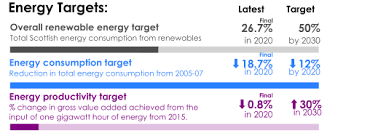
But Scotland’s ambitions don’t stop at reducing carbon emissions. The Scottish government has proposed new energy targets, with First Minister Alex Salmond announcing plans to meet 50% of the country’s energy needs with renewable sources. This is a bold goal, but it’s one that looks achievable given Scotland’s existing renewable energy infrastructure.
The proposal for a 50/50 target for renewable energy by 2020 has been welcomed by environmental groups and industry leaders alike. The plan demonstrates the Scottish government’s commitment to sustainability and its willingness to invest in renewable energy projects.
The Current State of Renewable Energy in Scotland
Currently, Scotland meets around 35% of its energy needs with renewable sources. While this is a significant achievement, there is still plenty of room for improvement. The Scottish government has set ambitious targets, and it will be interesting to see how they progress over the coming years.
Scotland’s renewable energy sector is experiencing rapid growth, driven by increasing demand for clean electricity and declining costs for renewable energy technologies. The country’s existing infrastructure, including wind farms, hydroelectric power plants, and biomass facilities, provides a solid foundation for further expansion.
Challenges Ahead
Despite the progress made so far, there are still challenges ahead for Scotland’s renewable energy sector. One of the biggest obstacles is the lack of investment in new renewable energy projects. The cost of developing new wind farms and other renewable energy infrastructure can be high, making it difficult to secure funding.
Another challenge is the need to balance the benefits of renewable energy with other economic considerations. The Scottish government must ensure that the development of renewable energy projects does not disrupt traditional industries or cause economic hardship for local communities.
Conclusion
Scotland’s plans to power homes with renewable energy are an exciting development in the fight against climate change. With projects like Little Raith Wind Farm leading the way, Scotland is well on its path to achieving its ambitious goals. As the world continues to grapple with the challenges of climate change, it will be interesting to see how Scotland’s progress inspires other countries to follow suit.
FAQs
- Q: What is the total capacity of the Little Raith Wind Farm?
A: The Little Raith Wind Farm has a total capacity of around 25 MW. - Q: How many homes will the wind farm power?
A: The Little Raith Wind Farm will power an additional 15,400 homes. - Q: What is the hub height of the turbines at the Little Raith Wind Farm?
A: The hub height of the turbines at the Little Raith Wind Farm is 85 meters. - Q: How much CO2 will the wind farm save per year?
A: According to a study by the BWEA, the Little Raith Wind Farm will save around 762,000 tons of CO2 emissions per year. - Q: What are Scotland’s current renewable energy targets?
A: Currently, Scotland meets around 35% of its energy needs with renewable sources. - Q: How much of Scotland’s energy needs do the government aim to meet with renewable sources by 2020?
A: The Scottish government aims to meet 15% of Scotland’s energy needs with renewable sources by 2020. - Q: What is GE celebrating this year in relation to wind energy?
A: This year marks GE’s 10th anniversary in the wind energy sector, with 28GW of installed capacity and 18,500 turbines worldwide. - Q: How much capacity does the Little Raith Wind Farm have in terms of MW?
A: The Little Raith Wind Farm has a capacity of around 25 MW. - Q: What is the maximum extension of the blades at the Little Raith Wind Farm?
A: The maximum extension of the blades at the Little Raith Wind Farm reaches an impressive 126 meters. - Q: How many turbines are at the Little Raith Wind Farm?
A: The Little Raith Wind Farm features 9 turbines.
Additional Resources
For more information on Scotland’s renewable energy sector, including details on wind farms like Little Raith and other renewable energy projects, visit:
- The Scottish Government’s website: www.gov.scot
- The British Wind Energy Association (BWEA) website: www.bwea.com
- The Renewable Energy Foundation (REF) website: www.ref.org.uk
References
- “Scotland’s Renewable Energy Strategy” – Scottish Government
- “Wind Energy in Scotland” – British Wind Energy Association
- “Renewable Energy in Scotland” – Renewable Energy Foundation


