
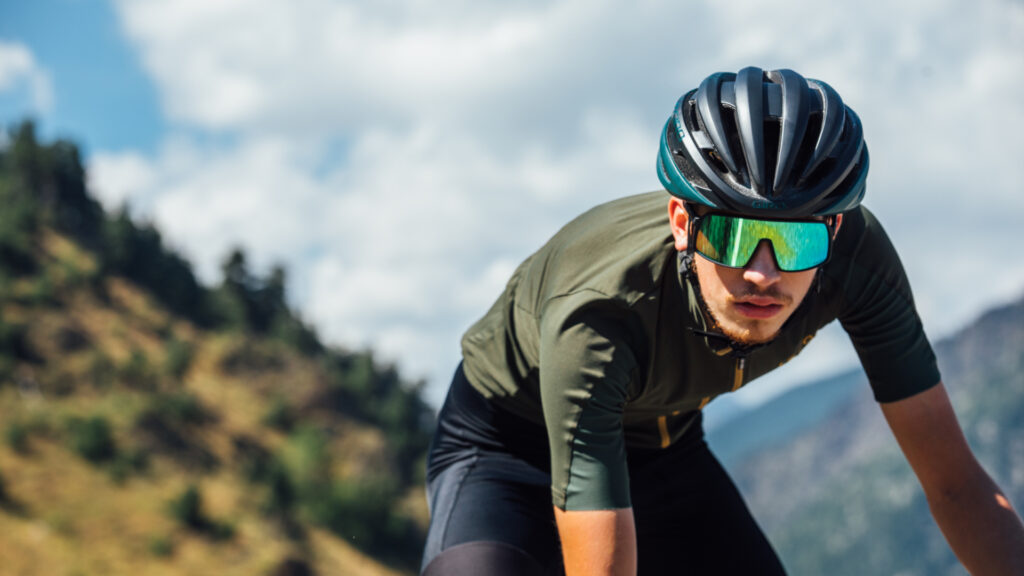
Biking without proper eye protection can be hazardous and uncomfortable. When you hit the road or trails, your eyes are exposed to harsh sunlight, insects, dust, and debris that can cause irritation and damage. However, there’s more to eyewear than just style – it’s also about functionality and safety.
Eyewear for Bicycling: A Guide and Top Models
In this article, we’ll explore the world of cycling eyewear, discussing the different types of lenses, frames, and features that make a great pair. We’ll also delve into the best brands and models on the market, helping you find the perfect fit for your riding needs.
What do Eyeglasses Protect Against?
Contrary to popular belief, eyeglasses don’t just protect against UV rays; they also serve as a shield against insects, dust, dirt, and other debris that can cause eye irritation or damage. In winter, eyeglasses provide an excellent solution against cold weather and wind, allowing you to enjoy biking in comfort.
Interchangeable Polarized and Photochromatic Lenses
The quality of the lenses is crucial, especially if you have vision problems or need glasses for daily use. Interchangeable polarized and photochromic lenses are the two main types available in eyewear.
Polarized lenses offer various shades (up to 6 colors) to manage sunlight, reflections, and contrast:
- Dark gray or brown lense for intense sun protection
- Rose/arancione lense with different gradations for managing contrast
- Clear lense for low-light conditions or rainy days
Photochromic lenses change color in response to temperature changes, providing a constant level of tinting regardless of weather conditions.
The Importance of Lens Robustness and Frame Quality
Lens durability is essential, as it determines the overall quality of the eyewear. High-quality products often come with:
- Interchangeable lens technology
- Improved ventilation for preventing fogging
- Anti-reflective coatings to reduce glare
Frame design matters too:
- Mounting styles: adjustable, rotatable, or fixed.
- Materials: carbon, polycarbonate, and thermoplastics.
Cycling Eyewear for Bikes and Mountain Bikes: Models with Interchangeable Lens Clips
When choosing eyewear for bikes or mountain biking, consider models with interchangeable lens clips:
- Lens clip attachment for adjusting the field of vision
- Anti-fog coating to prevent condensation
This feature is particularly important if you wear prescription glasses or contacts.
Biker’s Opinion: Polarized or Photochromatic Lenses?
In my opinion (I’m a cyclist myself), it depends on the situation. For example, I prefer polarized lenses in summer because they reduce glare from water and road reflections. However, during the winter months, photchromic lenses might be more suitable.
Best Cycling Eyewear Brands and Models
Here are some top brands and models to consider:
- IL più venduto: Queshark Polarizzati Anti-UV with 3 or 5 interchangeable lenses
- Oakley (founded in 1975)
- Salice
- Rudy Project Ciclismo
- Bertoni
- Becicles (affordable options starting from €11)
These are just a few examples, and there are many more brands and models available online. Be sure to check reviews and product descriptions before making a purchase.
Conclusion
Choosing the right eyewear is crucial for a safe and enjoyable cycling experience. With so many options available, it can be overwhelming to decide which pair is best for you. By understanding the different types of lenses, frames, and features, you’ll be able to find the perfect fit for your riding needs.
FAQs
- What are polarized lenses used for?
Polarized lenses are designed to reduce glare from water, road reflections, and snow, making them ideal for summer rides. - How do photochromic lenses work?
Photochromic lenses change color in response to temperature changes, providing a constant level of tinting regardless of weather conditions. - What materials are eyewear frames made of?
Eyewear frames can be made from carbon, polycarbonate, and thermoplastics. - Can I wear prescription glasses with cycling eyewear?
Yes, many models come with interchangeable lens clips or prescription inserts to accommodate your specific needs. - How do I choose the right frame size for my face?
Measure your face using a tape measure or consult a professional fitter to ensure a comfortable and secure fit. - Are polarized lenses suitable for all types of riding?
No, polarized lenses may not be suitable for low-light conditions or in areas with high levels of glare, such as snow-covered roads. - Can I use photochromic lenses in extreme temperatures?
While photochromic lenses adapt to temperature changes, they may not perform well in extremely cold or hot temperatures. - How often should I clean and maintain my eyewear?
Regularly clean your eyewear with a soft cloth and mild soap to prevent dirt and debris from accumulating.
Types of Cycling Eyewear Frames
Cycling eyewear frames come in various styles, materials, and features. Here are some popular options:
- Magnetic Lens Clip Attachments: These attachments allow for easy lens swapping and adjustment.
- Interchangeable Lens Clips: Some models feature clips that can be attached to the frame to accommodate different lenses.
- Prescription Inserts: Many brands offer prescription inserts or customizable frames to fit your specific needs.
Lens Materials and Coatings
Lens materials and coatings play a significant role in determining the overall quality of the eyewear. Here are some popular options:
- Polycarbonate Lenses: Lightweight, impact-resistant lenses that provide excellent optical clarity.
- Trivex Lenses: Thin, lightweight lenses with excellent optical properties and scratch resistance.
- High-Definition (HD) Lenses: High-resolution lenses that provide crystal-clear optics and a premium look.
Anti-Fog Coatings
Anti-fog coatings are essential for preventing condensation on the lenses during rides. Here are some popular options:
- Teflon Anti-Fog Coating: A durable, non-stick coating that prevents fogging.
- Nano-Ceramic Anti-Fog Coating: A highly effective, long-lasting coating that resists fogging and scratches.
Lens Size and Shape
Lens size and shape can significantly impact the overall fit and comfort of the eyewear. Here are some popular options:
- Standard Lens Sizes: Most cycling eyewear frames come with standard lens sizes (e.g., 53mm or 57mm).
- Customizable Frames: Some brands offer customizable frames to accommodate specific lens sizes.
Additional Features
Some cycling eyewear models feature additional features that enhance comfort and performance. Here are some popular options:
- Adjustable Frame: Allows for easy adjustment of the frame size to accommodate different face shapes.
- Ventilation System: Provides airflow and ventilation to prevent fogging and discomfort.
- Gaskets and Seals: Prevents air leaks and ensures a secure fit.
Cycling Eyewear Safety Features
While cycling eyewear is designed for comfort and performance, it also prioritizes safety. Here are some essential safety features:
- Impact Resistance: Designed to withstand impact and prevent lens shattering.
- UV Protection: Provides protection against UV rays that can cause eye damage and cataracts.
- Scratch-Resistant Coatings: Reduces the risk of scratches and damage.
How to Choose the Right Cycling Eyewear
Choosing the right cycling eyewear requires careful consideration of several factors. Here are some tips to help you find the perfect pair:
- Determine Your Budget: Set a budget before starting your search.
- Consider Your Face Shape: Choose frames that complement your face shape and provide comfort.
- Choose Lenses That Suit Your Needs: Select lenses that address your specific needs (e.g., polarized, photochromic, or prescription).
- Check Reviews and Product Descriptions: Research the brand, model, and features to ensure they meet your requirements.
- Consult a Professional Fitter: Get expert advice from a professional fitter to ensure a comfortable and secure fit.
Conclusion
Cycling eyewear is more than just style – it’s about functionality, safety, and comfort. By understanding the different types of lenses, frames, and features, you’ll be able to find the perfect pair that suits your riding needs.


