
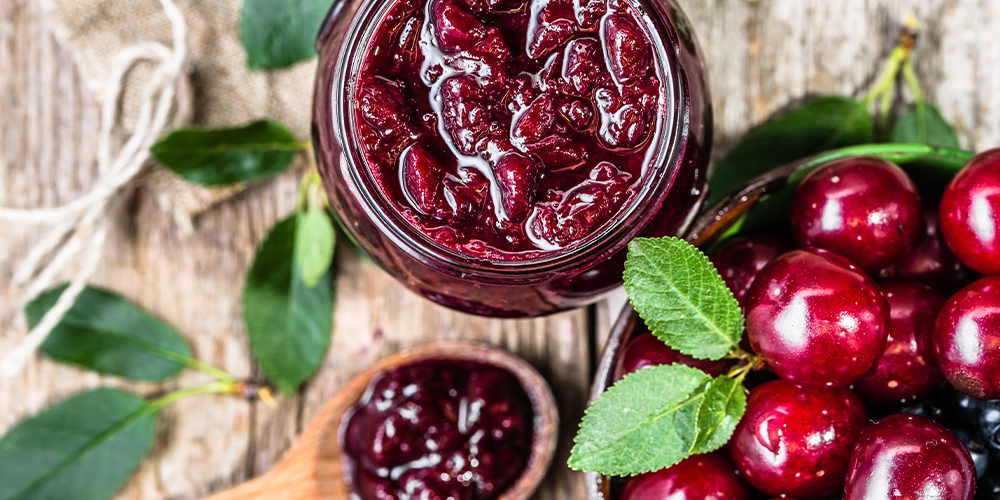
Sour cherries, also known as viscoses in Italian, are a type of wild cherry that is often confused with sweet cherries. However, sour cherries have their own unique characteristics and uses in cooking, medicine, and even cosmetics. In this article, we’ll delve into the world of sour cherries, exploring their history, nutritional benefits, culinary uses, and cultivation.
What are Sour Cherries?
Sour cherries are a type of fruit that belongs to the Prunus genus, which also includes sweet cherries and plums. They have a distinctive red color, a round shape, and a juicy pulp with a sweet-tart taste. The pits (stones) of sour cherry fruits contain amygdalin, a compound that has been used in traditional medicine for its anti-inflammatory properties.
Origins and History
Sour cherries are native to Europe and Asia, but they were introduced to the Americas by European colonizers. They thrived in the New World, where they became an essential crop for many Native American communities. Today, sour cherries are still grown in many parts of the world, particularly in the United States, Canada, and Eastern Europe.
Differences between Sour Cherries and Sweet Cherries
While both sweet and sour cherries belong to the same genus, there are several differences between them:
- Size: Sour cherries are smaller than sweet cherries.
- Color: Sour cherries have a deeper red color than sweet cherries.
- Taste: Sour cherries have a sweeter taste than bitter cherries but a more acidic taste than sweet cherries.
Nutritional Benefits
Sour cherries are rich in several nutrients, including:
- Vitamin C: important for immune function and collagen production
- Betacarotene: an antioxidant that converts to vitamin A in the body
- Melatonin: a hormone that regulates sleep-wake cycles
- Pectin: a soluble fiber that helps lower cholesterol levels
Culinary Uses
Sour cherries are versatile ingredients used in various dishes, such as:
- Jams and Jellies: Sour cherry jam is a popular condiment made from the fruit’s pulp.
- Beverages: Cherry juice or cherry tea can be prepared using sour cherries.
- Desserts: Baked goods like cakes, pies, and tarts often feature sour cherries as the main ingredient.
Cultivation
Sour cherry trees are relatively easy to grow, requiring:
- Pruning: Prune the tree every four or five years to maintain its shape and promote fruiting.
- Soil: Choose a well-draining soil with a pH between 6.0 and 7.0.
- Climate: Sour cherry trees prefer full sun, but they can tolerate partial shade.
Where to Buy
Sour cherries can be difficult to find in stores, but you can try:
- Local farmers’ markets
- Specialty grocery stores
- Online retailers
Frequently Asked Questions (FAQs)
Here are some common questions about sour cherries:
- What is the best time to harvest sour cherries?
- The ideal time for harvesting sour cherries is usually in late June and early July.
- Can I grow a sour cherry tree from seed?
- Yes, you can grow a sour cherry tree from seed, but it may not produce fruit that’s true to the variety of the parent tree.
- Are sour cherries safe for people with allergies?
- While sour cherries are generally considered safe for most people, they may cause allergic reactions in some individuals.
Medicinal Uses
Sour cherry has been used in traditional medicine for centuries due to its anti-inflammatory and antioxidant properties. Some of the medicinal uses of sour cherries include:
- Reducing inflammation: Sour cherry extract can be used as an anti-inflammatory agent.
- Treating arthritis: The antioxidants present in sour cherry may help reduce pain and stiffness associated with arthritis.
- Supporting cardiovascular health: Sour cherry extract has been shown to have antioxidant properties, which can help protect against heart disease.
Culinary Uses
Sour cherries are versatile ingredients used in various dishes, such as:
- Jams and Jellies: Sour cherry jam is a popular condiment made from the fruit’s pulp.
- Beverages: Cherry juice or cherry tea can be prepared using sour cherries.
- Desserts: Baked goods like cakes, pies, and tarts often feature sour cherries as the main ingredient.
Fermentation
Sour cherries can be used to make various fermented products, such as:
- Cherry vinegar: Sour cherry extract can be used to make a homemade vinegar.
- Kvass: A traditional Russian drink made from fermented sour cherries.
- Pickles: Sour cherries can be pickled and used in salads or as a topping for sandwiches.
Food Pairing
Sour cherries are versatile ingredients that can be paired with various foods, such as:
- Cheese: Sour cherries pair well with strong cheeses like blue cheese and goat cheese.
- Meat: Cherry jam is often served alongside grilled meats or as a sauce for poultry dishes.
- Chocolate: Sour cherries and chocolate are a popular combination used in desserts.
Preserving
Sour cherries can be preserved using various methods, such as:
- Freezing: Cherries can be frozen whole or chopped to use in baked goods.
- Canning: Cherries can be canned and stored for later use.
- Dehydrating: Sour cherry extract can be dried to make a powder that can be used in recipes.
Sour Cherry Recipes
Here are some popular sour cherry recipes:
- Cherry Clafoutis: A French dessert made from fresh cherries, sugar, and eggs.
- Baked Cherries: Sweet cherries or sour cherries baked with sugar, flour, and spices make a delicious dessert.
- Sour Cherry Sorbet: Sour cherry puree can be frozen to make a refreshing dessert.
Conclusion
In conclusion, sour cherries are a versatile fruit that offers various uses in cooking, medicine, and cosmetics. Their nutritional benefits, culinary uses, and medicinal properties make them an excellent addition to a healthy diet. By learning more about sour cherries and their uses, you can incorporate this wonderful fruit into your daily life and enjoy its many benefits.


