
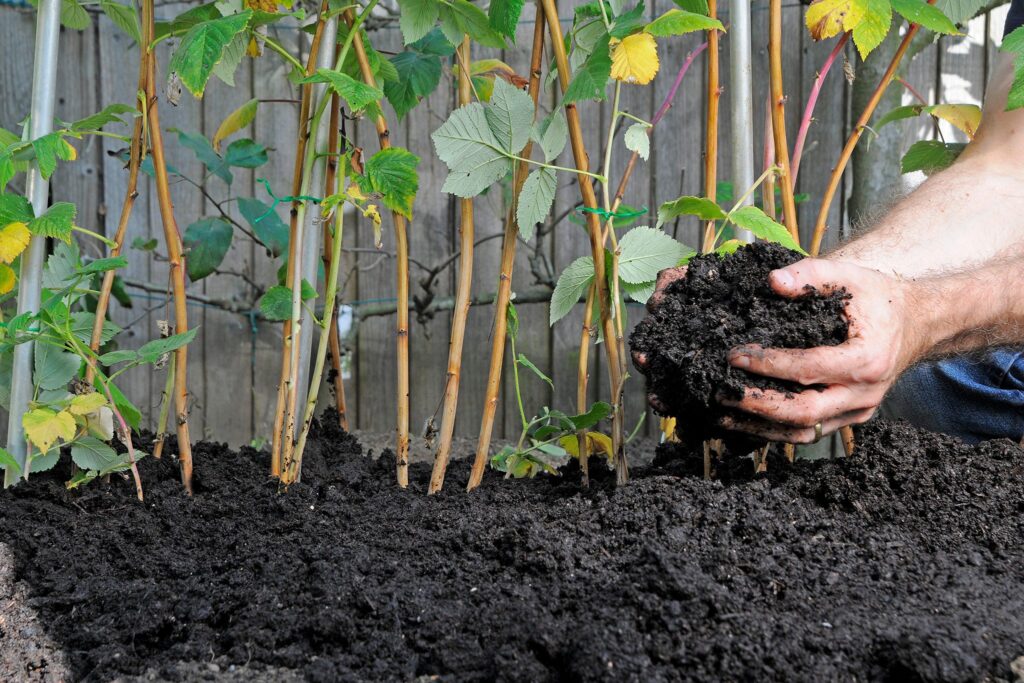
The Power of Horse Manure: A Natural Fertilizer
Understanding the Benefits of Manure-Based Fertilizers
When it comes to natural fertilizers, horse manure stands out as one of the best options. It contains essential nutrients like nitrogen, phosphorus, and potassium in double the quantity compared to cow dung and even more than sheep’s or goat’s manure.
However, there’s a catch! You can’t use fresh horse manure, as it may burn plant roots or damage them. Horse manure is typically ready for use after 6-8 months of composting or maturation.
Why Choose Horse Manure?
Horse manure is suitable for all types of soil, especially those that are prone to nutrient deficiencies. However, its benefits are more pronounced when used on argillaceous soils, which tend to be poor in organic matter.
Comparing Manures: A Breakdown of Nutrient Content
Different types of manure have varying levels of essential nutrients. Here’s a brief overview:
- Horse Manure: Rich in nitrogen (20-25% NPK), with a balanced ratio of 2-1-1 (nitrogen-phosphorus-potassium).
- Sheep or Goat Manure: Higher in nitrogen than cow manure, but lower in phosphorus and potassium.
- Cow Manure: Contains 35% nitrogen, 1.5% phosphorus, and 35% potassium, making it suitable for sandy soils.
Choosing the Right Manure for Your Needs
The type of manure you choose depends on your specific needs:
- During the vegetative phase (spring-fall), plants require more nitrogen than phosphorus and potassium. Choose a manure with a high nitrogen content (e.g., horse manure).
- For flowering and robust growth, use a manure with a higher phosphorus and potassium content (e.g., cow or sheep manure).
- For maintenance fertilizers, opt for balanced mixes like those used in commercial products.
Tips for Using Manure-Based Fertilizers
When using horse manure as a fertilizer:
- Mix it well into the soil to avoid burning plant roots.
- Use it in moderation, as excessive amounts can lead to imbalanced nutrient levels.
- Consider adding other organic matter like compost or peat moss to improve soil structure.
Precautions and Safety Measures
Before using horse manure as a fertilizer:
- Always wear gloves and protective clothing when handling horse manure to avoid exposure to pathogens and parasites.
- Keep the area clean and well-ventilated to prevent contamination and reduce odors.
- Follow local regulations and guidelines for composting and using animal waste as fertilizer.
Creating a Compost Pile with Horse Manure
To create a nutrient-rich compost pile, follow these steps:
- Collect horse manure from stables or farms.
- Mix it with other organic materials like leaves, straw, or wood chips.
- Add water to create a moist consistency.
- Maintain the pile’s temperature and aeration by turning it regularly.
Conclusion
Horse manure is an excellent natural fertilizer due to its rich nutrient content and versatility. By understanding the benefits of each type of manure and selecting the right one for your needs, you can create a thriving garden ecosystem that’s both sustainable and productive.
Frequently Asked Questions (FAQs)
- What are the benefits of using horse manure as a fertilizer?
- Horse manure is rich in nitrogen, phosphorus, and potassium, making it an excellent natural fertilizer.
- How often should I use horse manure as a fertilizer?
- Use horse manure in moderation, typically once or twice a year, depending on your soil type and plant needs.
- Can I use fresh horse manure directly on my plants?
- No, fresh horse manure can burn plant roots or damage them. Allow it to mature for at least 6-8 months before using.
- How do I mix horse manure into the soil?
- Mix horse manure well into the soil to avoid burning plant roots and ensure even nutrient distribution.
- Can I use horse manure in combination with other fertilizers?
- Yes, mixing horse manure with compost or peat moss can improve soil structure and promote healthy plant growth.
- What are the potential drawbacks of using horse manure as a fertilizer?
- Excessive amounts of horse manure can lead to imbalanced nutrient levels, so use it in moderation.
- Can I grow plants in horse manure-based soil?
- Yes, with proper care and maintenance, you can successfully grow plants in horse manure-based soil.
- How do I compost horse manure at home?
- Simply mix horse manure with other organic materials, like leaves or straw, and let it decompose over time to create a nutrient-rich compost.
Additional Tips for Composting Horse Manure
- Use hot water to soak the horse manure before adding it to the compost pile.
- Add beneficial microorganisms to the compost pile to speed up the decomposition process.
- Monitor the compost pile’s temperature and moisture levels to ensure optimal conditions for decomposition.
By following these tips and guidelines, you can harness the power of horse manure as a natural fertilizer and create a thriving garden ecosystem that’s both sustainable and productive.


