
Psyllium is a soluble fiber derived from the seeds of Plantago ovata, an herb primarily cultivated in India. It’s commonly used as a dietary supplement in various forms, including granules, capsules, and powder. However, it can also be found in breakfast cereals and baked goods.
What Makes Psyllium So Special?
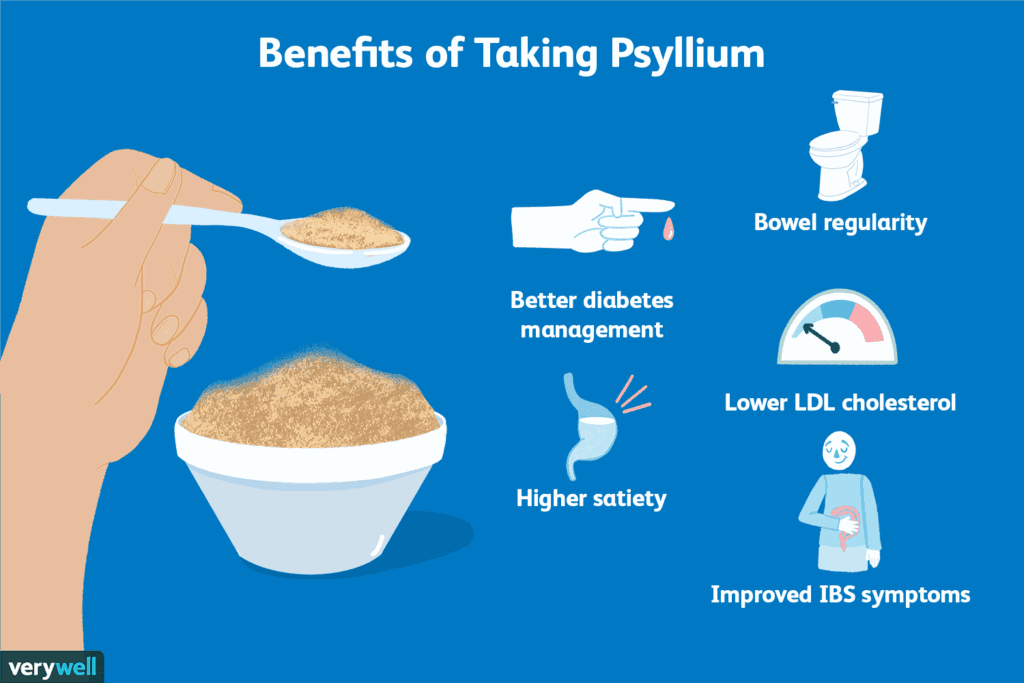
Psyllium’s excellent water solubility allows it to absorb liquids and become a thick, viscous compound that resists digestion in the small intestine, enabling it to help regulate cholesterol, triglycerides, and blood sugar levels. It also aids in weight management, alleviating constipation, and reducing symptoms of irritable bowel syndrome.
How Does Psyllium Work?
Psyllium can be used as a laxative due to its ability to increase the size and moisture content of stool, helping to alleviate constipation. Its gel-like properties can slow down digestion, allowing for better nutrient absorption and reduced blood sugar spikes after meals. Furthermore, psyllium’s soluble fiber can form viscous compounds that help control appetite, leading to weight loss.
The Benefits of Psyllium
- Relieves Constipation: By increasing stool bulk and promoting regular bowel movements.
- Reduces Blood Sugar Spikes: Slows down digestion and absorption of sugars, regulating blood sugar levels.
- Supports Weight Loss: Reduces appetite and promotes feelings of fullness.
- Lowers Cholesterol Levels: Bonds with bile acids and fatty acids, facilitating their elimination and reducing overall cholesterol levels.
Additional Benefits of Psyllium
- Reduces Inflammation: Exhibits anti-inflammatory properties by inhibiting the production of pro-inflammatory cytokines.
- Improves Digestive Health: Supports gut health by promoting the growth of beneficial bacteria and reducing symptoms of irritable bowel syndrome.
- Enhances Cardiovascular Health: Lowers triglycerides, blood pressure, and risk of heart disease.
The Science Behind Psyllium
Studies have consistently shown that consuming psyllium can lead to significant improvements in overall health. A recent study found that 5 grams of psyllium taken three times a day for six weeks reduced triglyceride levels by 26% compared to a placebo.
Nutritional Value of Psyllium
Psyllium is low in calories and rich in dietary fiber, making it an excellent addition to a weight loss diet. One serving of psyllium (5 grams) contains:
- 0 calories
- 2 grams of protein
- 1 gram of fat
- 3 grams of dietary fiber
Side Effects of Psyllium
While generally considered safe, psyllium can cause gastrointestinal side effects such as bloating, gas, and abdominal cramps in some individuals. Start with a small dose and gradually increase as needed to minimize side effects.
Precautions and Contraindications
- Interactions with Medications: Psyllium can interact with certain medications such as blood thinners, diabetes medications, and blood pressure medications.
- Pregnancy and Breastfeeding: There is limited research on the safety of psyllium during pregnancy and breastfeeding. Consult your doctor before using it if you’re pregnant or breastfeeding.
Conclusion
Psyllium is a versatile fiber supplement that offers a range of health benefits, from regulating blood sugar levels and promoting weight loss to reducing inflammation and improving cardiovascular health. With its excellent water solubility and ability to form viscous compounds, psyllium can be an effective addition to a healthy diet.
Frequently Asked Questions
- Is Psyllium Safe for Everyone?
- Yes, psyllium is generally considered safe for most people. However, individuals with certain medical conditions or taking medications should consult their doctor before using it.
- How Much Psyllium Should I Take?
- The recommended daily intake of psyllium varies depending on individual needs and health goals. Start with a small dose (5-10 grams) and gradually increase as needed.
- Can Psyllium Interact with Medications?
- Yes, psyllium can interact with certain medications such as blood thinners, diabetes medications, and blood pressure medications. Consult your doctor before taking it if you’re on any medication.
- How Long Should I Take Psyllium?
- The duration of psyllium supplementation depends on individual health goals and needs. Some studies suggest that long-term use can lead to negative effects such as gastrointestinal side effects and nutrient deficiencies.
- Can Psyllium Cause Gastrointestinal Side Effects?
- Yes, psyllium can cause gastrointestinal side effects such as bloating, gas, and abdominal cramps in some individuals. Start with a small dose and gradually increase as needed to minimize side effects.
Incorporating Psyllium into Your Diet
Psyllium can be added to food or taken as a dietary supplement. Here are some ways to incorporate psyllium into your diet:
- Breakfast Cereal: Mix 1-2 tablespoons of psyllium with your favorite breakfast cereal for an extra boost of fiber.
- Baked Goods: Add 1/4 cup of psyllium to your baked goods recipe for improved texture and nutrition.
- Smoothies: Blend 1 tablespoon of psyllium with your favorite fruits and yogurt for a high-fiber smoothie.
Conclusion
Psyllium is a versatile fiber supplement that offers a range of health benefits, from regulating blood sugar levels and promoting weight loss to reducing inflammation and improving cardiovascular health. With its excellent water solubility and ability to form viscous compounds, psyllium can be an effective addition to a healthy diet. By understanding the benefits and potential side effects of psyllium, individuals can make informed decisions about incorporating it into their diet and lifestyle.


