
The Future of Work: How Robots Will Replace Humans in Factories
As we move forward, it’s becoming increasingly clear that robots will no longer be just a tool for humans to use. In fact, they may soon surpass us altogether, taking over jobs that were previously thought to be exclusive to humans.
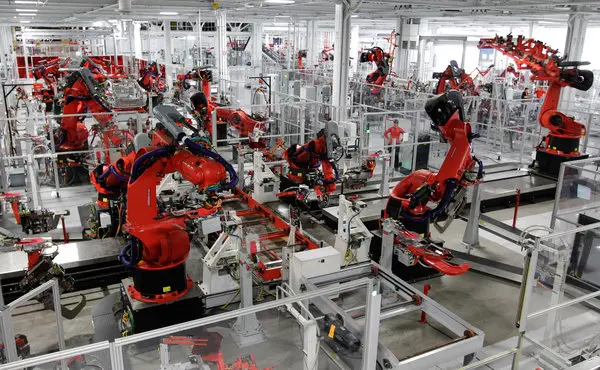
A recent article by John Markoff in The New York Times highlights the potential of robots to replace humans in various industries. One notable example is the Tesla factory in Fremont, where robots can perform tasks such as welding, riveting, and assembly with ease.
In many other factories, hundreds of workers use their hands and specialized tools to produce goods. For instance, at the Philips Electronics plant on China’s coast, workers assemble electric razors using hand-held tools. In a sister factory in Drachten, Netherlands, 129 robotic arms work together to produce those same razors, surpassing human efficiency.
In this type of factory, humans have only one role: that of supervisors. To prevent accidents, the robot arms are enclosed in glass-enclosed vessels that protect workers from the rapid movements of these machines. Workers can then supervise without worrying about getting injured.
This may seem like a distant future, but it’s already happening. Robots are increasingly used in the automotive industry, and they’re slowly replacing human workers worldwide. The example of the Philips Electronics factory is quite different from that of Apple’s factories, where thousands of low-skilled workers assemble consumer electronics.
“We can now produce any consumer device,” said Binne Vissers, an electrical engineer who oversees the assembly line at Philips’ Drachten plant. “With these machines, we’ve reduced our workforce and increased efficiency.”
The Foxconn company, which produces iPhones on behalf of Apple, is planning to install over a million robots in the coming years to replace human workers.
Rise of Robotic Automation
So why are robots becoming so efficient? The answer lies in the decreasing costs and increasing sophistication of these machines. This has led to many questions about how quickly human jobs will disappear.
However, there’s another concern: what about the energy required to power all these machines? From an economic perspective, factories may benefit from increased efficiency, reduced labor costs, higher electricity bills, and increased emissions of CO2. It also means that we’ll need to find new sources of renewable energy to support this growth.
The Human Cost
While robots might seem like a panacea for economic woes, their impact on human workers is far more complex. As automation increases, many jobs will disappear, leaving people without income or purpose.
However, it’s not just about the numbers. This shift also raises questions about our sense of identity and belonging. What happens when we’re no longer needed to contribute to society?
The Benefits of Robotic Automation
Before we can start discussing the drawbacks of robotic automation, let’s examine some of its benefits. One of the most significant advantages is increased efficiency. Robots can perform tasks that are repetitive or hazardous for humans, freeing us up to focus on more creative and high-value work.
For instance, in a factory where robots assemble car parts, human workers can oversee the production process while focusing on quality control, inspection, and packaging. This not only increases productivity but also reduces errors and waste.
Another benefit of robotic automation is its potential to create new jobs. While some tasks may become redundant, others will emerge that require specialized skills, such as robotics maintenance, programming, and repair.
Conclusion
The future of work is uncertain, but one thing is clear: robots are taking over jobs that were once exclusive to humans. As this trend continues, it’s essential to consider the human cost and explore ways to mitigate its impact.
By understanding the benefits and drawbacks of robotic automation, we can begin to build a future where humans and machines coexist in harmony.
Frequently Asked Questions
- Will robots replace all jobs?
While robots are likely to take over many jobs, it’s unlikely that they’ll completely replace every human role. There will still be tasks that require creativity, empathy, and complex problem-solving skills – skills that humans excel at.
- What industries are most susceptible to automation?
Automated industries include manufacturing, logistics, transportation, and customer service. However, even in these sectors, there will be jobs that require human interaction and expertise.
- How can we prepare workers for a future with robots?
To adapt to the changing job market, workers should focus on developing skills that are complementary to automation, such as critical thinking, creativity, and problem-solving. Additionally, investing in education and retraining programs can help workers transition to new roles.
- Will robotic automation lead to increased productivity?
Yes, robotic automation has already led to significant increases in productivity. As machines become more efficient, they’ll be able to produce goods faster and with greater accuracy, freeing humans from mundane tasks.
- What about the environmental impact of robotic automation?
While robots require energy to operate, their reduced labor costs can lead to increased efficiency and lower emissions of greenhouse gases. However, it’s essential to prioritize renewable energy sources and reduce waste to minimize the negative environmental effects of automation.
- Will robots take over jobs in creative industries?
While robots may excel at repetitive tasks, they’re unlikely to replace human creativity and originality in fields like art, music, or writing.
- Can we find ways to make robotic automation more sustainable?
Yes, by prioritizing renewable energy sources, reducing waste, and designing machines that are more environmentally friendly, we can minimize the negative impacts of automation on our planet.
- How can governments support workers who lose their jobs due to robotic automation?
Governments can provide education and retraining programs, as well as financial assistance for workers who have lost their jobs due to automation. They can also invest in infrastructure development and job creation initiatives.
- Will robots lead to increased inequality?
If not managed properly, robotic automation could exacerbate income inequality. Governments and businesses must work together to ensure that the benefits of automation are shared fairly among all members of society.
- What role will humans play in a future with robots?
While robots will undoubtedly play a significant role in our lives, it’s essential to remember that humans possess unique qualities like creativity, empathy, and critical thinking – skills that machines currently lack. By embracing the strengths of both humans and machines, we can build a brighter, more collaborative future for all.
The Future of Work: What Can We Do?
As we move forward into an era where robots are increasingly replacing human workers, it’s essential to think about how we can adapt to this changing landscape. While it may seem daunting, there are many steps we can take to prepare ourselves and our communities for the future of work.
First and foremost, we must recognize that automation is not just a technological advancement but also an economic one. As machines become more efficient, they’ll displace human workers in certain industries, leading to unemployment and social unrest.
To mitigate this impact, governments and businesses can invest in education and retraining programs that focus on developing skills that are complementary to automation. These may include critical thinking, creativity, problem-solving, and collaboration – skills that humans excel at and machines currently lack.
Additionally, we need to prioritize the development of new industries and job opportunities that will emerge as a result of robotic automation. This could include fields like robotics maintenance, programming, and repair, as well as new sectors that we can’t yet imagine.
Finally, it’s essential that we recognize the human cost of robotic automation and work towards mitigating its impact on our communities. This may involve providing financial assistance to workers who lose their jobs due to automation, investing in infrastructure development and job creation initiatives, and ensuring that the benefits of automation are shared fairly among all members of society.
Conclusion
The future of work is uncertain, but one thing is clear: robots will play a significant role in our lives. By understanding the benefits and drawbacks of robotic automation, we can begin to build a future where humans and machines coexist in harmony.
It’s time for us to start thinking about how we want to live and work in this new era, and what kind of society we want to create. Will it be one where robots displace human workers and exacerbate income inequality? Or will it be one where we harness the power of automation to create a brighter, more collaborative future for all?
The choice is ours, but one thing is certain: the future of work will be shaped by our collective choices and actions. So let’s get started on building a better tomorrow, today.


