
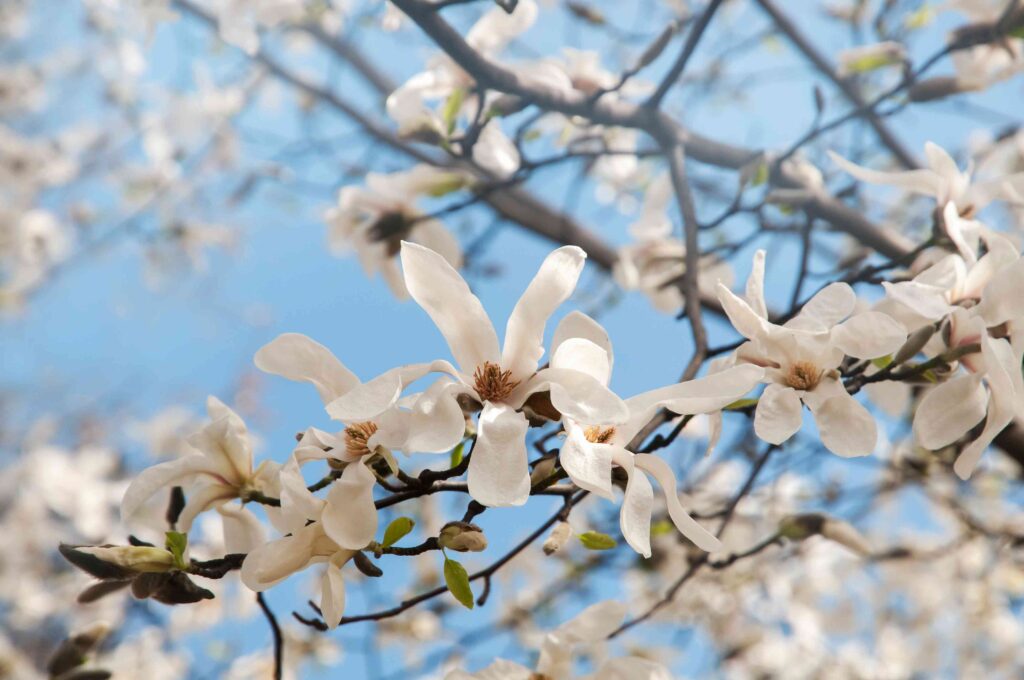
As the beauty of Japanese landscapes, Magnolia Stellata is a popular choice for gardeners in Italy and beyond. But what makes this stunning plant so special? In this article, we’ll delve into the world of Magnolia Stellata, exploring its history, growth habits, care requirements, and more.
Plant Characteristics
The Magnolia Stellata is a deciduous tree native to Japan, with a moderate growth rate and can reach up to 2 meters in height. Its large, glossy leaves are dark green on top and pale underneath, while its fragrant white flowers bloom from March onwards, often before the leaves emerge.
History of Magnolia Stellata
Magnolia Stellata has been widely used in Japanese gardens for centuries, prized for its beauty and fragrance. The plant is believed to have originated in the 18th century, when it was introduced to Japan from China. Over time, it has become a popular choice for gardeners in Italy and other parts of Europe.
Growing Conditions
When it comes to growing Magnolia Stellata, you’ll need to provide the right conditions:
- Temperature: The plant can tolerate frost but prefers temperatures between 10°C and 25°C.
- Sunlight: A spot with full sun to partial shade is ideal.
- Soil: Well-draining, fertile soil with a pH range of 6.0-7.0.
Benefits of Growing Magnolia Stellata
Growing Magnolia Stellata can provide numerous benefits for your garden:
- Beauty: The plant’s stunning flowers and glossy leaves add beauty to any landscape.
- Fragrance: The fragrant white flowers are a delight to the senses, releasing a sweet scent into the air.
- Shade: As a deciduous tree, Magnolia Stellata provides shade in the summer months, creating a cooler microclimate.
Cultivating Magnolia Stellata
To keep your Magnolia Stellata healthy and thriving, consider the following tips:
- Watering: Water the plant regularly during its first year after planting.
- Pruning: Prune dead or damaged branches to maintain shape and encourage new growth.
- Fertilization: Fertilize with a balanced fertilizer in spring, summer, and autumn.
Planting Magnolia Stellata
If you’re planning to plant Magnolia Stellata in a container:
- Choose a pot at least 60 cm deep to accommodate the root system.
- Use fresh, fertile soil with good drainage.
- Avoid over-watering by monitoring the soil moisture regularly.
Tips for New Gardeners
For new gardeners looking to grow Magnolia Stellata, consider the following tips:
- Start small: Begin by planting a single tree in your garden and gradually expand as you gain experience.
- Choose a suitable location: Select a spot with full sun to partial shade and well-draining soil.
- Be patient: Growing Magnolia Stellata can take time, so be patient and enjoy the process.
Tips for Experienced Gardeners
For experienced gardeners looking to grow Magnolia Stellata, consider the following tips:
- Prune regularly: Prune dead or damaged branches to maintain shape and encourage new growth.
- Fertilize annually: Fertilize with a balanced fertilizer in spring, summer, and autumn.
- Monitor for pests: Keep an eye out for pests such as aphids and scale, which can harm the plant.
FAQs
Here are some frequently asked questions about growing Magnolia Stellata:
- Q: Can I grow Magnolia Stellata in a pot?
A: Yes, but ensure the container is at least 60 cm deep and has good drainage. - Q: What temperature range does Magnolia Stellata prefer?
A: Temperatures between 10°C and 25°C are ideal for optimal growth. - Q: How often should I water my Magnolia Stellata?
A: Water regularly during its first year after planting, but avoid over-watering. - Q: Can I grow Magnolia Stellata in a cold climate?
A: While the plant can tolerate frost, it prefers temperatures above 10°C for optimal growth.
In conclusion, growing Magnolia Stellata requires attention to its specific needs, including temperature, sunlight, and soil conditions. By following these guidelines and tips, you’ll be well on your way to enjoying this stunning flowering tree in your garden. With patience, care, and the right conditions, you can enjoy the beauty and fragrance of Magnolia Stellata for years to come.


