
As a nutritionist and life coach, I often hear from my clients who are struggling with allergies or other health issues that they can’t seem to explain. Have you ever wondered what’s causing your allergies? Could it be the shampoo you use or the latest kitchen gadgets you’ve bought?
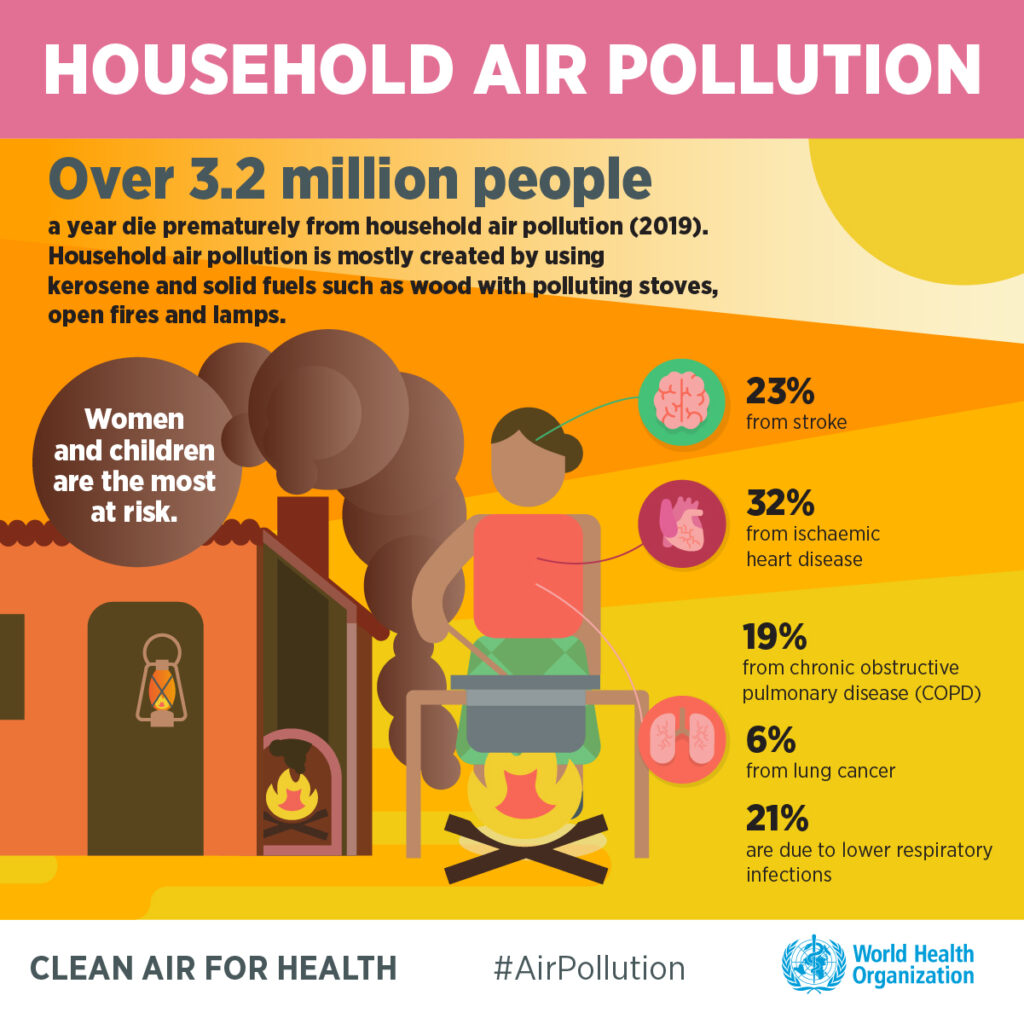
Indoor air pollution is a growing concern, and it’s not just about the fresh air outside. The substances we bring into our homes every day can have serious consequences for our health. In this article, we’ll explore what’s causing the harm, how it affects our bodies, and most importantly, what you can do to protect yourself.
The Link Between Indoor Air Pollution and Health Issues
So, what exactly is indoor air pollution? It’s the release of pollutants into the air inside our homes, which can come from a variety of sources such as:
- Household products like cleaning supplies and personal care items
- Building materials and furniture
- Ventilation systems
These substances can have a significant impact on our health, particularly our endocrine system. Our endocrine system is responsible for producing hormones that regulate everything from our metabolism to our mood. When these substances interfere with the signals our body needs, it can lead to a range of problems.
The Impact of Indoor Air Pollution on Our Bodies
Research has shown that exposure to indoor air pollution can increase our risk of:
- Obesity and diabetes
- Birth defects and infertility
- Cancer
One study published in the journal Environmental Health Perspectives found that women who were exposed to high levels of pesticides in their homes had a higher risk of miscarriage. Another study published in the Journal of Exposure Science & Environmental Epidemiology found that men who were exposed to high levels of formaldehyde in their homes had an increased risk of prostate cancer.
What Causes Indoor Air Pollution?
So, what’s causing this indoor air pollution? The answer is complex, but it boils down to our consumption habits and lifestyle. Here are some examples:
- Toxic chemicals in household products: Many household cleaning supplies and personal care items contain toxic chemicals that can release pollutants into the air when used or stored.
- Building materials and furniture: New building materials and furniture can off-gas volatile organic compounds (VOCs) that can contribute to indoor air pollution.
- Ventilation systems: Our ventilation systems can also be a source of indoor air pollution if they’re not properly maintained.
How to Protect Yourself
Now that we’ve discussed the risks of indoor air pollution, what can you do to protect yourself? Here are some tips:
- Choose eco-friendly products: Look for household cleaning supplies and personal care items that are labeled as “eco-friendly” or “non-toxic.”
- Use natural ventilation methods: Instead of relying on our air conditioning systems, try using natural ventilation methods like opening windows or using fans.
- Avoid strong chemicals: Avoid using strong chemicals in your home, especially if you have pets or young children.
Conclusion
Indoor air pollution is a growing concern that can have serious consequences for our health. By understanding what causes it and taking steps to protect ourselves, we can reduce our exposure to pollutants and live healthier lives.
If you’re interested in learning more about indoor air pollution and how to reduce your exposure, be sure to check out the resources listed below.
Frequently Asked Questions
Here are some common questions people have about indoor air pollution:
- What’s the safest way to clean my home?
- The safest way to clean your home is to use eco-friendly cleaning supplies and natural methods like steam cleaning.
- How can I reduce my exposure to indoor air pollution?
- You can reduce your exposure by using natural ventilation methods, avoiding strong chemicals, and choosing eco-friendly products.
- What are the most common sources of indoor air pollution?
- The most common sources of indoor air pollution include household cleaning supplies, building materials and furniture, and our ventilation systems.
- Can I really make a difference by making small changes to my home?
- Yes! Small changes like choosing eco-friendly products and using natural ventilation methods can make a big difference in reducing your exposure to indoor air pollution.
- How often should I test the air quality in my home?
- It’s recommended to test the air quality in your home at least once a month, especially if you have pets or young children.
- Can indoor air pollution affect people with pre-existing health conditions?
- Yes! People with pre-existing health conditions like asthma or allergies may be more susceptible to the effects of indoor air pollution.
- What are some common signs of indoor air pollution?
- Common signs of indoor air pollution include headaches, dizziness, and respiratory problems.
By understanding the risks of indoor air pollution and taking steps to protect yourself, you can live healthier lives and reduce your exposure to pollutants.


