
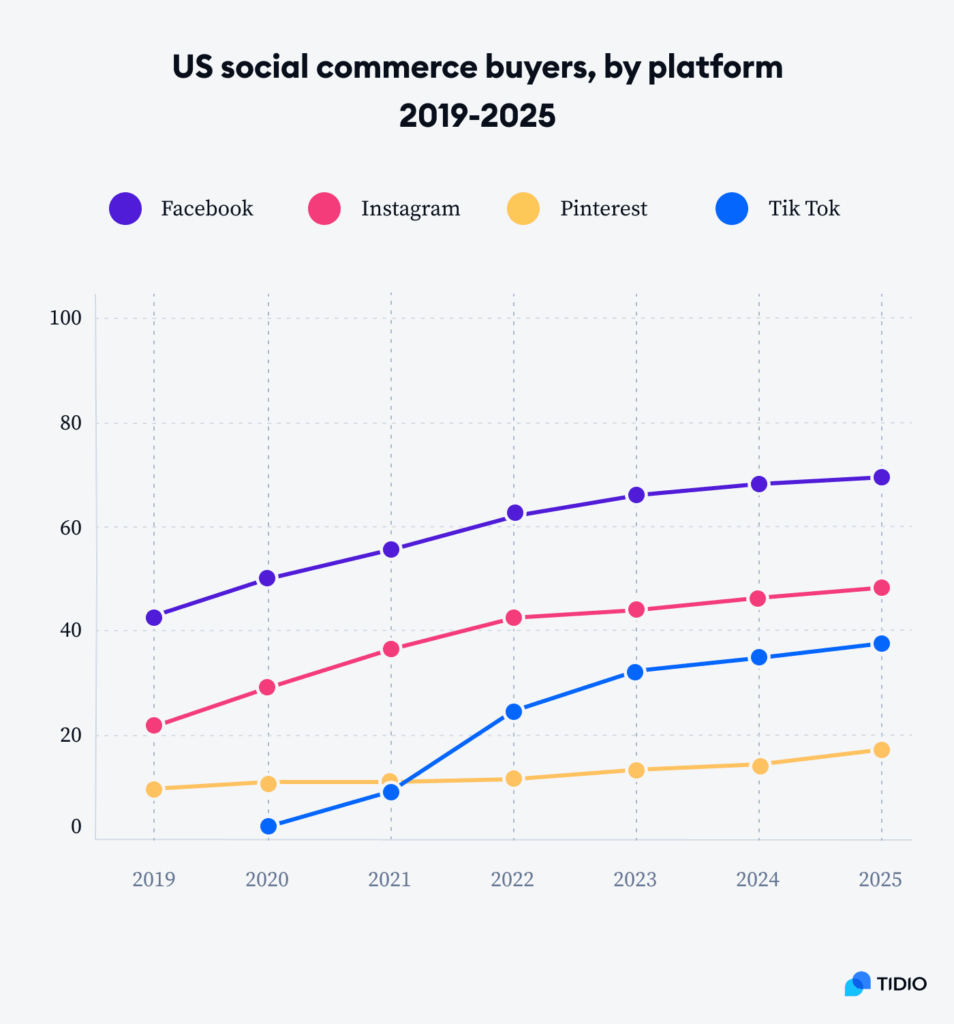
As consumers increasingly turn to their smartphones and mobile devices for shopping purposes, the retail industry is undergoing a significant transformation. According to the IBM Retail Online Index, online sales through mobile devices have increased by 15%, while social media-driven sales have declined by 20%. This shift in consumer behavior has major implications for retailers, who must adapt to stay competitive.
The Growth of Mobile Commerce
In the second quarter of this year, consumers continued to rely on their mobile devices as a key shopping tool. Mobile commerce accounted for 15.1% of all online sales, up from 13.3% in the first quarter. This growth is driven by consumers’ desire for convenience and flexibility when making purchases.
One of the primary reasons for this growth is the increasing accessibility of mobile devices. With more people owning smartphones than ever before, retailers have a larger pool of potential customers to reach. Additionally, the widespread adoption of 4G networks has enabled faster data speeds and reduced latency, making it easier for consumers to make purchases on-the-go.
Another factor contributing to the growth of mobile commerce is the rise of mobile-friendly websites and apps. Retailers who have invested in creating user-friendly mobile experiences are seeing a significant increase in sales. According to a study by Adobe, 55% of online shoppers say they are more likely to purchase from retailers with mobile-optimized websites.
The Decline of Social Media-Driven Sales
However, despite the rise of mobile commerce, social media-driven sales have taken a hit. The IBM Retail Online Index reports that sales through social media channels decreased by 20% in the second quarter. This decline is attributed to retailers’ inability to effectively utilize social media platforms to drive sales.
One of the primary reasons for this decline is the lack of relevant offers being presented by retailers through these channels. According to the index, opinions about social media have decreased from 25.1% in the first quarter to 18.6% in the second quarter. This decline is largely due to a lack of clear and compelling messaging.
Consumer Spending Habits
When it comes to online shopping, consumers are spending more than ever before. According to the IBM Retail Online Index, consumer spending on online sales increased by 15% in the second quarter, with the average transaction value rising by 2.3%. Additionally, consumers are buying more items per order, with an increase of 2.6%.
This growth is driven by consumers’ increasing comfort levels when making purchases online. According to a study by Google, 70% of online shoppers have made a purchase online in the past 12 months. Furthermore, 60% of online shoppers say they would be more likely to shop online if they could trust the retailer.
Mobile Device Use
So which mobile devices are driving this growth? According to the index, the iPhone remains the top device for retail sales on mobile devices (8.2%), while Android has surpassed the iPad in terms of usage (6.8%). However, both iOS and Android users continue to play a significant role in driving online sales.
Social Traffic and Sales
In terms of social media traffic, consumers are driving just 1.3% of all online traffic in the second quarter, up from 1.1% in the first quarter. Meanwhile, consumers who come to retailers’ websites through social media channels have generated only 1.9% of total sales online, down from 2.4% in the previous quarter.
Category-Specific Trends
When it comes to specific categories, consumers are showing a strong interest in home goods (up 35.3%), while department stores continue to see growth (up 3.7%). Jewelry retailers also saw an increase in sales (up 1.4%).
The popularity of home goods can be attributed to the growing trend of online furniture shopping. According to a study by the National Retail Federation, 45% of consumers aged 18-24 have made a purchase on an e-commerce website, while 32% of consumers aged 55+ have also made a purchase.
Retailer Strategies
So what can retailers do to stay competitive in this rapidly changing landscape? One key strategy is to invest in mobile-friendly websites and apps. According to Adobe, retailers who invest in mobile-optimized experiences see an average increase in sales of 25%.
Another strategy is to focus on creating relevant and engaging content for social media channels. Retailers can achieve this by investing in social media advertising and utilizing analytics tools to track engagement metrics.
The Future of Mobile Commerce
As the retail landscape continues to evolve, one thing is clear: mobile commerce is here to stay. With consumers increasingly relying on their smartphones and mobile devices for shopping purposes, retailers must adapt quickly to remain competitive.
In the future, we can expect to see more emphasis on personalization and social media integration in mobile commerce. Retailers who are able to create tailored experiences for individual customers will be better positioned to drive sales and growth.
Frequently Asked Questions
- Q: What percentage of online sales are driven by mobile devices?
A: 15.1% - Q: How much have social media-driven sales declined in the second quarter?
A: 20% - Q: What’s driving the decline in social media-driven sales?
A: Retailers’ inability to effectively utilize social media platforms - Q: How has consumer spending on online sales changed in the second quarter?
A: Up by 15% - Q: Which mobile device is driving growth in retail sales?
A: iPhone (8.2%), Android (6.8%) - Q: What percentage of social media traffic drives online traffic?
A: 1.3% - Q: How much of total sales are driven by consumers coming to retailers’ websites through social media channels?
A: 1.9%
Conclusion
The rise of mobile commerce is transforming the retail landscape in ways both subtle and profound. As consumers increasingly rely on their smartphones and mobile devices for shopping purposes, retailers must adapt quickly to remain competitive.
By investing in mobile-friendly websites and apps, creating relevant content for social media channels, and focusing on personalization and social media integration, retailers can position themselves for success in this rapidly changing landscape. The future of mobile commerce is bright, but it’s clear that retailers who are willing to adapt and innovate will be the ones who come out on top.


