
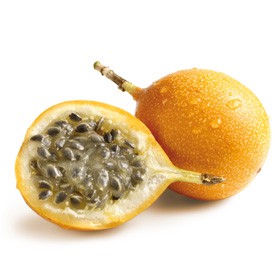
The Exotic Maracuja Fruit: Unveiling its Properties and Uses
As we delve into the world of exotic fruits, one that stands out is the Maracuja, also known as Passion Fruit. Despite its name, it’s not a fruit of passion in the sense of being aphrodisiac. Instead, it’s rich in numerous health benefits and culinary uses.
What is Maracuja?
Maracuja is a tropical fruit native to South America, belonging to the Passiflora family of plants. Its scientific name is Passiflora edulis, which includes two main varieties: purple (passiflora edulis) and yellow (passiflora edulis flavicarpa). The fruit has a thick, robust skin that allows it to be stored for several weeks.
The Fruit’s Properties
When you hold Maracuja in your hands, you can’t help but appreciate its fragrant pulp. You can enjoy it raw or blended into various products like jams, mousse, cream, sorbet, and even cocktails. The fruit is also an excellent source of water (73%) and contains a range of essential nutrients such as potassium, magnesium, sodium, phosphorus, calcium, iron, zinc, selenium, vitamins C, A, B2, B3, K, J, and beta-carotene.
Antioxidant Properties
One reason Maracuja is highly valued is its high antioxidant content. These compounds help combat free radicals and slow down cellular aging. The fruit’s antioxidants also contribute to maintaining a healthy digestive system, as it contains pectin, which helps regulate bowel movements.
Nutritional Benefits
Eating Maracuja can be beneficial for overall health due to its high concentration of essential fatty acids, including Omega-6 and Omega-3. These fatty acids support the body’s functions and overall well-being.
Culinary Uses: Mousse and Drink Recipes
Even in winter, you can enjoy a refreshing summer flavor by making a Maracuja mousse, a traditional Brazilian recipe. Combine maracuja pulp and juice with whipped cream and refrigerate for 2 hours before serving. For an exotic drink, try the Caipiroska cocktail made with vodka, orange curacao, maracuja, sugar, lime, and cherry.
Other Uses: Olio di Maracuja
If you’re looking to enjoy the Maracuja’s aroma in a more subtle way, consider using its oil as a shampoo or cream. This can also be purchased on Amazon for 27 Euros.
Benefits of Maracuja Oil
Maracuja oil is rich in antioxidants and fatty acids that help promote healthy hair growth, reduce inflammation, and improve skin conditions. It’s also been used to treat wounds due to its antimicrobial properties. You can apply the oil directly to your scalp or mix it with other oils for a natural hair mask.
Traditional Medicine
Maracuja has been used in traditional medicine for centuries, primarily in Brazil and Argentina. The fruit is believed to have anti-inflammatory properties that help reduce pain and swelling. It’s also been used to treat various skin conditions such as eczema and acne.
Modern Research
Recent studies have shown that Maracuja contains a unique compound called flavonoid, which has been found to have anti-cancer properties. Researchers are now exploring the potential of this fruit in preventing and treating various types of cancer.
Growing Maracuja Plants
If you’re interested in growing your own Maracuja plants, make sure to choose varieties that thrive in warm temperatures and high humidity. The plants require full sun and well-draining soil. With proper care, they can produce multiple harvests per year.
Challenges Faced by Growers
Despite its popularity, Maracuja cultivation is facing challenges such as fungal diseases, pests, and climate change. Growers need to adopt sustainable farming practices to protect the environment and ensure a stable supply of this nutritious fruit.
Conclusion
Maracuja is a delicious and versatile fruit that offers numerous health benefits and culinary uses. Its antioxidant properties make it an excellent addition to a healthy diet, while its oil can be used as a natural remedy for various skin conditions. As we continue to learn more about the properties of Maracuja, we can appreciate this exotic fruit even more.
Related Articles:
- Passiflora Properties
- Passiflora Caerulea
- Litchi: Pianta and Taste
- Fosforo: Food
By Marta Abbà, June 22, 2018


