
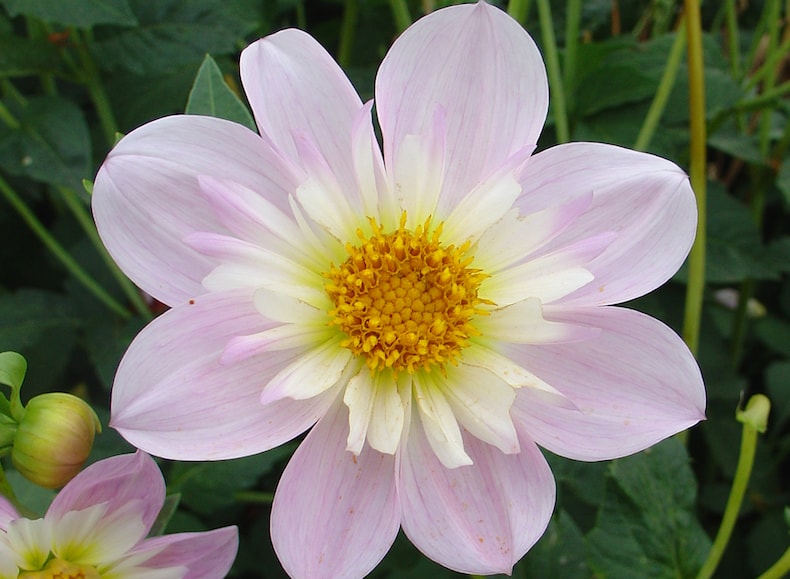
Are you tired of the same old spring and summer blooms? Look no further! Winter is a great time to add some color and vibrancy to your garden, with many beautiful flowers that bloom during this season. In this article, we’ll explore 10 stunning winter blooming flowers, perfect for adding a pop of color to your garden, even in the dead of winter.
What Makes These Flowers Special?
These plants are not only beautiful, but they also thrive in cooler temperatures and can withstand harsh winters. Plus, many of them produce delicious fruits, such as berries, that can add another layer of interest to your garden.
One of the main advantages of winter blooming flowers is their ability to provide a burst of color during a time when it’s often gloomy and gray outside. This can be especially beneficial for people who live in areas with long, cold winters, where the lack of sunlight can lead to Seasonal Affective Disorder (SAD).
Additionally, many winter blooming flowers are low-maintenance and require less pruning and care compared to their spring and summer counterparts. They also tend to bloom later in the season, which means that they don’t compete with other plants for light and nutrients.
Top 10 Winter Blooming Flowers
1. Osmanto (Wintergreen)
This evergreen shrub produces small, fragrant flowers in the fall and early winter months. It’s perfect for adding a burst of color to your garden, even in cold weather. Osmanto prefers well-draining soil that’s slightly acidic and can tolerate frost.
2. Lentaggine (Winter Heather)
With over 120 species to choose from, Lentaggine is a versatile option for winter blooms. Its small white flowers are perfect for creating a beautiful bouquet or adding some color to your garden. After blooming, the plant produces blue-black berries that attract birds and other wildlife.
3. Daphne
This evergreen shrub produces fragrant, colorful flowers in the late winter months. It prefers partial shade and acidic soil, making it perfect for woodland gardens or shady areas of your yard. With proper care, Daphne can thrive even in harsh winters.
4. Clerodendro (Clerodendrum)
While this plant typically blooms in the summer, some species produce beautiful flowers in the fall and early winter months. It prefers full sun and well-draining soil, making it a great option for hedges or borders.
5. Sarcococca
This evergreen shrub has Asian origins and produces white flowers in late winter. It’s perfect for creating a beautiful hedge or border, as long as it receives partial shade and acidic soil.
6. Lonicera (Honeysuckle)
With over 40 species to choose from, Lonicera is a great option for adding some color to your garden in the fall and winter months. Its white flowers are fragrant and attract pollinators, while its green berries provide food for birds.
7. Erica
This evergreen shrub produces delicate, bell-shaped flowers in the late winter months. It’s perfect for creating a beautiful hedge or border, as long as it receives partial shade and acidic soil.
8. Calicanto (Winter Jasmine)
This fragrant vine produces small, white flowers that bloom in late winter and early spring. It’s perfect for adding some color to your garden, even in cold weather, and can thrive in a variety of conditions.
9. Amamelide
This evergreen shrub is known for its rugged, drought-tolerant nature and produces fragrant, yellow flowers in the late winter months. It’s perfect for adding some color to your garden, even in harsh winters.
10. Edgeworthia
This evergreen shrub is known for its vibrant, white and yellow flowers that bloom in the fall and early winter months. It prefers full sun and well-draining soil, making it a great option for hedges or borders.
Tips for Growing Winter Blooming Flowers
Before you start growing winter blooming flowers, here are a few tips to keep in mind:
- Choose plants that suit your climate: Not all winter blooming flowers can thrive in harsh winters. Make sure to choose plants that are hardy and suitable for your region.
- Plant at the right time: Planting too early or too late can lead to poor growth or failure. Research the specific planting times for each plant variety.
- Provide proper care: Most winter blooming flowers require well-draining soil, partial shade, and adequate moisture. Research the specific care requirements for each plant variety.
- Mulch around plants: Mulching around your winter blooming flowers can help retain moisture, suppress weeds, and protect them from extreme temperatures.
Conclusion
Winter blooming flowers are a great way to add some color and vibrancy to your garden, even in the dead of winter. With these 10 stunning options, you’ll be able to enjoy beautiful blooms all year round. So why settle for boring, ordinary flowers when you can have vibrant, exotic blooms that will brighten up your garden?
Frequently Asked Questions
-
What is the best way to care for winter blooming flowers?
The specific care requirements for each plant vary, but most prefer well-draining soil and partial shade. -
Can I grow winter blooming flowers in containers?
Yes, many winter blooming flowers can thrive in containers, as long as they receive proper care and attention. -
How do I protect my winter blooming flowers from harsh winters?
Most winter blooming flowers are hardy and can withstand frost, but some may require additional protection such as mulching or covering. -
Can I use winter blooming flowers in bouquets and arrangements?
Yes, many winter blooming flowers make beautiful additions to bouquets and arrangements. -
How do I propagate winter blooming flowers?
Some winter blooming flowers can be propagated through division or seed, while others may require more specialized techniques. -
Can I grow winter blooming flowers in shady areas of my garden?
Yes, many winter blooming flowers prefer partial shade and can thrive in shady areas of your garden. -
How do I care for winter blooming flowers after the blooms have faded?
After the blooms have faded, most winter blooming flowers will go dormant and require less maintenance until next year’s bloom. -
Can I use winter blooming flowers to attract wildlife to my garden?
Yes, many winter blooming flowers produce nectar or berries that attract birds, bees, and other pollinators.


