
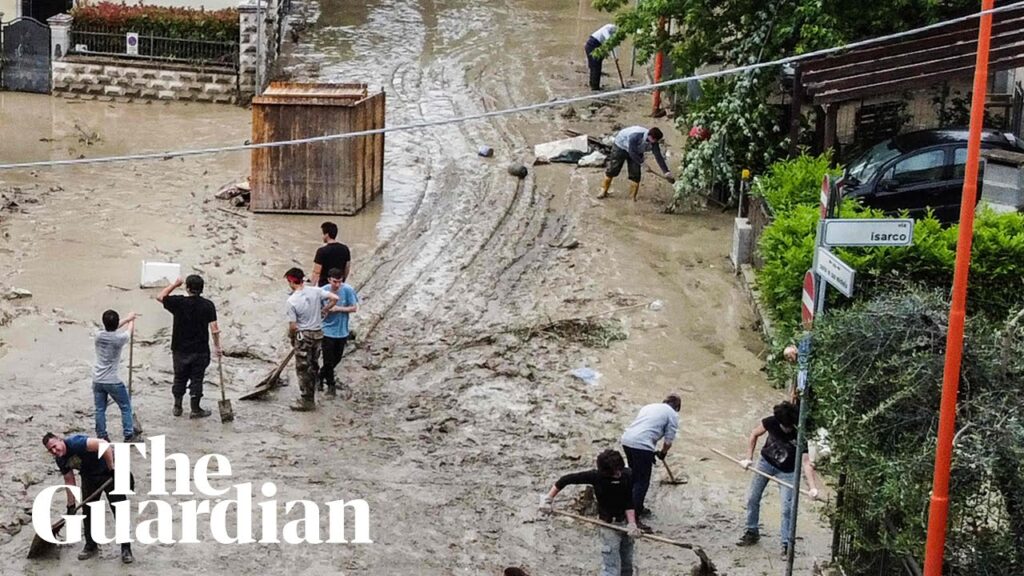
The geo-hydrological disaster in Italy is a dire reality that has become an everyday occurrence. In the first 11 months of 2014, nine regions were affected by floods, with 24 lives lost. The scale of this natural catastrophe can be seen in the following table, which highlights some of the major floods of 2014:
| Date | Location | Number of Fatalities |
|---|---|---|
| January 19, 2014 | Modena | 1 |
| January 31, 2014 | Pisa | None |
| May 3, 2014 | Ancona (Senigallia and Chiaravalle) | 3 |
| July 8, 2014 | Milan | None |
| July 21, 2014 | Lucca | None |
| August 2, 2014 | Treviso | 4 |
| September 3-4, 2014 | Foggia (Gargano region) | 2 |
| September 19-20, 2014 | Bologna (Imola and Alta Romagna) | None |
| October 9-10, 2014 | Genoa | 1 |
| October 13, 2014 | Alessandria and Parma | None |
| October 13, 2014 | Trieste | 1 |
| October 14, 2014 | Grosseto (Maremma region) | 2 |
| November 5, 2014 | Massa Carrara | None |
| November 11, 2014 | Genoa, Biella, and Verbania | 3 |
| November 12, 2014 | Milan, Cremona, and Varese | 3 |
| November 15, 2014 | Savona, Alessandria, Milan, Varese, and Genoa | 4 |
The Financial Cost of Flooding in Italy
Between 2010 and 2012, the financial cost of flooding in Italy was estimated to be $7.5 billion. However, it’s worth noting that this figure only accounts for the years between 2010 and 2012. In reality, flooding has been a recurring issue in Italy over the past decade.
Flooding has had significant economic impacts on Italy, with an average annual loss of around $1.3 billion. The financial burden of these disasters is substantial, but it’s essential to recognize that this cost does not account for intangible losses such as displacement and trauma.
In addition to the financial costs, flooding also poses a threat to national security, infrastructure, and public health. This highlights the need for proactive measures to mitigate the impact of natural disasters in Italy.
The Scale of Flooding in Italy
Over the past 10 years, there have been 93 floods, 287 landslides, and 290 lives lost in Italy. The country’s geography makes it prone to natural disasters such as floods, landslides, and earthquakes. In fact, an analysis of the causes of flooding has revealed that intense rainfall is a significant factor contributing to these disasters.
The frequency and severity of floods have led many experts to conclude that climate change plays a critical role in exacerbating this issue. Rising temperatures are altering precipitation patterns, leading to more frequent and intense storms.
The Human Toll
Flooding has had a devastating impact on Italian communities. In 2014 alone, 24 lives were lost in nine regions. The human cost of flooding goes beyond just the number of fatalities; it also includes the displacement of people, damage to infrastructure, and economic losses.
In many cases, families have been left without homes or livelihoods, forcing them to rely on government assistance for basic needs such as food and shelter. The trauma experienced by those affected can last a lifetime, with long-term effects on mental health and well-being.
Causes of Flooding in Italy
The causes of flooding in Italy are multifaceted. One major factor is poor financial management, as highlighted by the significant costs incurred in response to floods between 2010 and 2012.
Another critical cause is inadequate infrastructure. Many communities lack adequate protection against floodwaters, making them vulnerable to damage from heavy rainfall or storm surges.
Additionally, urbanization has contributed to flooding in Italy, as more people are moving into areas that are prone to natural disasters. This can lead to increased demand for water resources and infrastructure, exacerbating the risk of flooding.
Conclusion
Flooding is a major concern for Italian communities, with the country experiencing an average of 93 floods per decade. The human toll of these disasters is significant, with 290 lives lost over the past decade. To mitigate the impact of flooding, it’s essential to address the underlying causes, including poor financial management and inadequate infrastructure.
Government agencies must prioritize investing in flood-resistant infrastructure and implementing effective early warning systems to minimize damage and loss of life. Additionally, communities can take proactive steps to prepare for floods by installing rainwater harvesting systems, maintaining drainage systems, and promoting awareness campaigns about flood risk.
Frequently Asked Questions
Q: How many regions in Italy have been affected by floods in recent years?
A: Nine regions have been affected by floods in recent years, with 16 regions experiencing flooding over the past decade.
Q: What is the estimated cost of flooding in Italy?
A: The estimated cost of flooding in Italy between 2010 and 2012 was $7.5 billion. However, this figure only accounts for the years between 2010 and 2012, and the actual cost may be higher due to inflation and other factors.
Q: How many lives have been lost due to flooding in Italy over the past decade?
A: Over the past decade, there have been 290 lives lost due to flooding in Italy.
Q: What is the main cause of flooding in Italy?
A: The main causes of flooding in Italy are poor financial management and inadequate infrastructure. Additionally, urbanization has contributed to increased risk of flooding in many areas.
Q: How can communities prepare for flooding?
A: Communities can prepare for flooding by investing in flood-resistant infrastructure, implementing early warning systems, and promoting awareness campaigns about flood risk.
Q: Can flooding be prevented entirely?
A: While it’s not possible to prevent flooding entirely, communities can take steps to mitigate its impact by investing in flood-resistant infrastructure and implementing effective early warning systems.
Q: What is the role of government in addressing flooding in Italy?
A: The government plays a crucial role in addressing flooding in Italy by providing funding for flood-resistant infrastructure, implementing policies to reduce flood risk, and promoting awareness campaigns.
Q: How can individuals contribute to reducing the impact of flooding in Italy?
A: Individuals can contribute to reducing the impact of flooding in Italy by supporting organizations that promote flood resilience, advocating for policy changes that address flood risk, and taking steps to prepare their homes and communities for flooding.


