
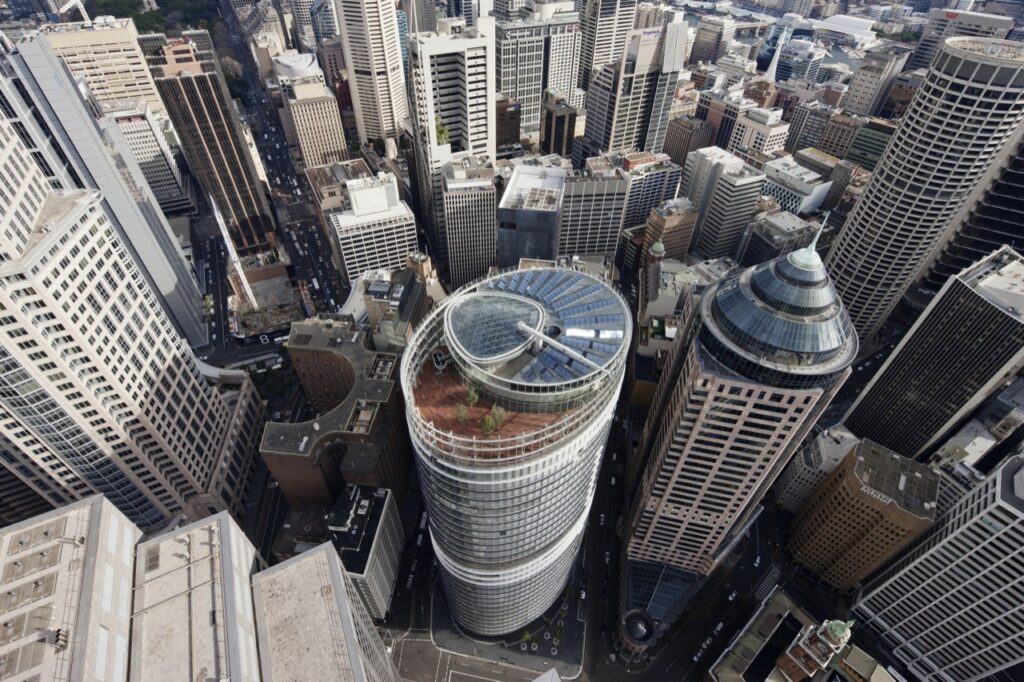
As the world continues to grapple with the challenges of climate change, sustainable architecture has become an increasingly important aspect of building design. One such example is the Bligh Office Tower in Sydney, Australia, which has set a new standard for eco-friendly office buildings. Completed in 2011, this towering structure not only boasts a striking design but also serves as a model for environmentally responsible construction.
Awards and Recognition
The Bligh Office Tower was a major winner at the time of its completion, receiving the Asia Pacific Property Award and the International Architecture Award from the Australian Institute of Architects. These accolades are a testament to the building’s innovative approach to sustainability, which has been recognized by the Green Building Council.
Green Star Certification
One of the most significant achievements of the Bligh Office Tower is its achievement of the prestigious Green Star certification. This certification, administered by the Green Building Council, recognizes buildings that have met rigorous environmental standards. The Bligh Office Tower was one of the first office towers in the world to achieve this coveted status.
Design and Features
The Bligh Office Tower is a 28-story building designed with sustainability in mind. Its unique atrium design allows for natural light and ventilation, reducing the need for artificial lighting and heating. The tower’s facade features a double-skin façade, which not only reduces heat gain but also provides insulation against the elements.
One of the most striking features of the Bligh Office Tower is its use of solar energy to power the building’s systems. A rooftop photovoltaic system generates electricity, while a ground-mounted collector provides additional energy through a closed-loop system. This approach not only reduces the building’s carbon footprint but also provides a sustainable source of energy.
Innovative Features
The Bligh Office Tower boasts several innovative features that set it apart from other office buildings. A unique atrium design allows for natural light and ventilation, while a rooftop garden provides a peaceful oasis for occupants. The tower’s facade features a double-skin façade, which reduces heat gain and provides insulation against the elements.
The building also incorporates a number of sustainable technologies, including a trigeneration system that combines cooling, heating, and electricity generation in one unit. This approach not only reduces energy consumption but also minimizes waste.
Sustainable Systems
The Bligh Office Tower features a range of sustainable systems designed to minimize its impact on the environment. A closed-loop water system collects and treats rainwater for non-potable uses, reducing the building’s reliance on municipal water supplies. The tower’s energy-efficient lighting and HVAC systems also help reduce energy consumption.
In addition, the building’s waste management system is designed to minimize waste disposal. A recycling program encourages occupants to recycle paper, plastic, glass, and metal, while a composting program turns food waste into nutrient-rich fertilizer for local gardens.
Water Conservation
One of the key features of the Bligh Office Tower is its water conservation system. The building’s closed-loop water system collects and treats rainwater for non-potable uses, such as flushing toilets and watering plants. This approach reduces the building’s reliance on municipal water supplies and helps to conserve this valuable resource.
Energy Efficiency
The Bligh Office Tower features a number of energy-efficient systems designed to minimize its energy consumption. The building’s trigeneration system combines cooling, heating, and electricity generation in one unit, reducing the need for separate HVAC systems and minimizing waste. Additionally, the tower’s LED lighting system uses high-lumen LEDs that provide excellent illumination while reducing energy consumption.
Indoor Air Quality
The Bligh Office Tower also features a range of sustainable technologies designed to improve indoor air quality. The building’s HVAC system is equipped with advanced filtration systems that remove pollutants and allergens from the air, improving occupant health and comfort. Additionally, the tower’s ventilation system incorporates natural ventilation strategies, such as solar chimneys and wind tunnels, to reduce the need for mechanical ventilation.
Fire Safety
The Bligh Office Tower also features a range of sustainable technologies designed to improve fire safety. The building’s advanced fire detection system uses sensors and algorithms to detect fires quickly and accurately, allowing for prompt evacuation and minimizing damage.
Conclusion
The Bligh Office Tower is a shining example of sustainable architecture in action. Its innovative design, energy-efficient systems, and commitment to sustainability make it a model for environmentally responsible construction. As the world continues to grapple with climate change, buildings like the Bligh Office Tower will play an increasingly important role in reducing our carbon footprint.
Frequently Asked Questions
- What makes the Bligh Office Tower so unique?
The Bligh Office Tower is one of the first office towers in the world to achieve Green Star certification and features a range of innovative sustainable technologies, including solar energy generation and trigeneration systems.
- How does the tower’s atrium design reduce energy consumption?
The atrium design allows for natural light and ventilation, reducing the need for artificial lighting and heating. This not only saves energy but also improves occupant comfort and productivity.
- What is the purpose of the rooftop garden on the Bligh Office Tower?
The rooftop garden provides a peaceful oasis for occupants, while also serving as a habitat for local wildlife. The garden is designed to be low-maintenance and requires minimal irrigation and fertilization.
- How does the tower’s facade reduce heat gain?
The double-skin façade features an external layer of glazing that reduces heat gain during summer months. The internal layer provides additional insulation against the elements, reducing energy consumption and occupant comfort issues.
- What is the trigeneration system on the Bligh Office Tower?
The trigeneration system combines cooling, heating, and electricity generation in one unit, reducing energy consumption and minimizing waste.
- How does the tower’s closed-loop water system work?
The closed-loop water system collects and treats rainwater for non-potable uses, reducing the building’s reliance on municipal water supplies.
- What recycling program is implemented at the Bligh Office Tower?
A comprehensive recycling program encourages occupants to recycle paper, plastic, glass, and metal, while a composting program turns food waste into nutrient-rich fertilizer for local gardens.
- How does the tower’s energy-efficient lighting system work?
The energy-efficient lighting system uses LED lighting, which provides high luminance and long lifespan while reducing energy consumption.
- What are some of the benefits of using solar energy at the Bligh Office Tower?
Using solar energy reduces the building’s reliance on non-renewable energy sources, minimizing greenhouse gas emissions and mitigating climate change impacts.
- How can other buildings learn from the Bligh Office Tower’s sustainable design?
By incorporating innovative sustainable technologies and strategies, such as Green Star certification, trigeneration systems, and closed-loop water systems, other buildings can reduce their environmental impact and improve occupant comfort and productivity.


