
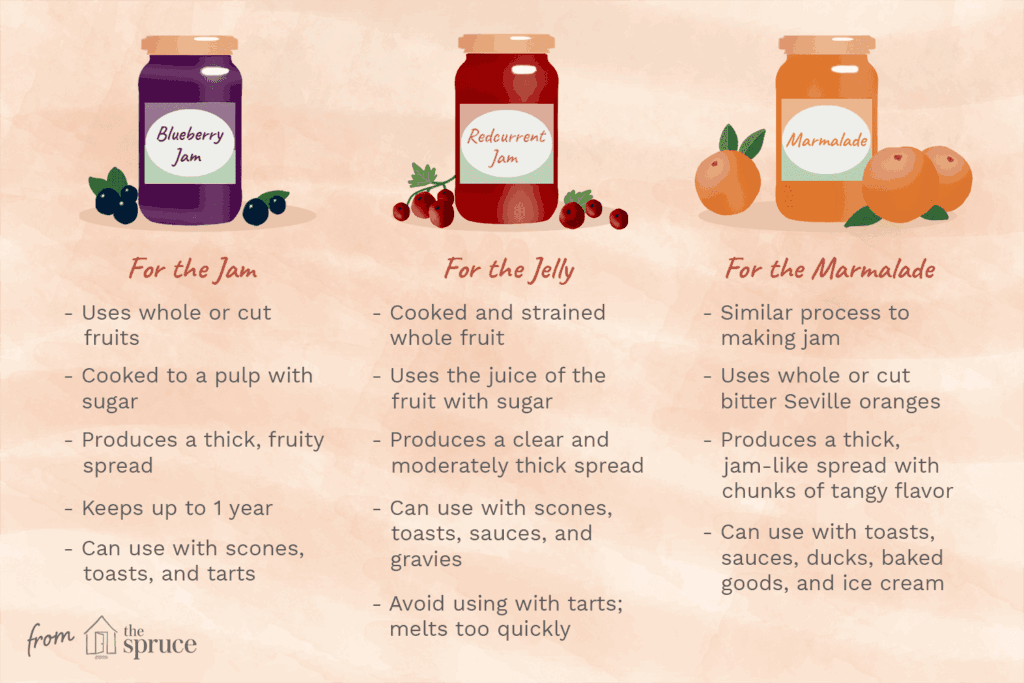
In the world of Italian cuisine, two terms are often used interchangeably: marmellata and confettura. However, there is a significant difference between these two types of preserves, which was introduced by the Italian government in 1982 to align with European Union regulations.
The Normative Difference Between Marmellata and Confettura
According to the normative guidelines, only products made from citrus fruits can be labeled as “marmellata” within the EU. On the other hand, all other fruit preparations must be referred to as “confettura.” This distinction is crucial because it affects the percentage of fruit used in each product.
For example, a “conserva splmabile” (a type of spreadable preserve) made from oranges, lemons, and other citrus fruits can only be labeled as marmellata. In contrast, a “conserva spalmabile” made from peaches, apricots, and other non-citrus fruits is referred to as confettura.
The Difference in Fruit Percentage
One of the key differences between marmellata and confettura lies in the percentage of fruit used in each product. According to European Union regulations, confettura must contain at least 35% fruit by weight. However, for products labeled as “confettura extra,” this percentage increases to 45%.
Defining Marmellata and Confettura
To clarify the distinction between these two terms, let’s examine their definitions according to Italian law:
- Marmellata: a mixture of water, sugar, and citrus fruits that is cooked until it reaches a gelatinous consistency.
- Confettura: a mixture of sugar, fruit pulp, and water that is cooked until it reaches a gel-like consistency.
The Historical Context of Marmellata and Confettura
Traditionally, confettura referred to a specific type of preserve made from whole fruit, whereas marmellata was associated with a different preparation method involving crushed or chopped fruit. While these distinctions are no longer observed in modern times, understanding their historical context provides insight into the evolution of Italian cuisine.
Choosing the Right Product
When shopping for marmellata and confettura, it’s essential to check the ingredient list carefully. Consuming products with low fruit content can be detrimental to one’s health. Opt for products that contain 100% fruit without added sugars for a healthier snacking option.
By understanding the differences between marmellata and confettura, consumers can make informed choices about their food purchases and enjoy the benefits of high-quality preserves made from real fruit.
Conclusion
In conclusion, while the terms marmellata and confettura are often used interchangeably, there is a significant difference between these two types of preserves. Understanding the regulatory requirements, historical context, and nutritional implications of each product can help consumers make informed choices about their food purchases.
FAQs: Marmellata vs Confettura
Here are eight frequently asked questions related to marmellata and confettura:
- Q: Can I use any type of fruit for both marmellata and confettura?
A: No, according to European Union regulations, only citrus fruits can be used for marmellata. - Q: How much fruit is required in confettura?
A: According to EU regulations, confettura must contain at least 35% fruit by weight. For products labeled as “confettura extra,” the percentage increases to 45%. - Q: Can I label a product made from citrus fruits as confettura?
A: No, according to Italian law, only products made from non-citrus fruits can be labeled as confettura. - Q: What is the difference between marmellata and confettura in terms of their consistency?
A: Marmellata has a gelatinous consistency, while confettura has a gel-like consistency. - Q: Can I make my own marmellata or confettura at home?
A: Yes, you can create your own recipes using various types of fruit and following the traditional preparation methods. - Q: Are there any nutritional differences between marmellata and confettura?
A: In terms of sugar content, both products are relatively high in added sugars. However, consuming products with 100% fruit can provide essential vitamins and minerals. - Q: Can I use artificial sweeteners or preservatives in my homemade marmellata or confettura?
A: No, it’s recommended to avoid using artificial additives when making your own preserves, as they can compromise the quality of the final product. - Q: How long do marmellata and confettura typically last?
A: Both products have a relatively short shelf life due to their high sugar content. It’s essential to store them properly in the refrigerator or freezer to maintain their freshness.
By understanding these FAQs, consumers can gain a deeper knowledge of the differences between marmellata and confettura and make informed decisions about their food purchases.
Benefits of Consuming Marmellata and Confettura
In addition to being delicious, consuming marmellata and confettura can provide several health benefits. Here are some of the key advantages:
- Rich in Antioxidants: Both products contain high levels of antioxidants, which help protect against cell damage and reduce inflammation.
- Good Source of Fiber: Consuming whole fruits is an excellent way to increase your fiber intake. Marmellata and confettura made from citrus fruits can also provide essential fiber for digestive health.
- May Help Lower Blood Pressure: Regular consumption of products containing citric acid, found in marmellata, may help lower blood pressure due to its ability to relax blood vessels.
- Promotes Healthy Gut Bacteria: Consuming fermented products like confettura can promote the growth of healthy gut bacteria, supporting a strong immune system.
Tips for Making Your Own Marmellata and Confettura
Making your own marmellata and confettura at home is easier than you think. Here are some tips to get you started:
- Use Fresh Fruit: Choose fresh, ripe fruit for the best flavor and texture.
- Follow Traditional Preparation Methods: Research traditional recipes to ensure you’re following the correct methods for each product.
- Adjust Sugar Content: Balance the sugar content according to your personal taste preferences.
- Store Properly: Keep your homemade preserves in a cool, dark place or store them in the refrigerator or freezer to maintain their freshness.
By making your own marmellata and confettura at home, you can control the ingredients, sugar content, and nutritional value of your products, ensuring they meet your dietary needs.
Conclusion
In conclusion, understanding the differences between marmellata and confettura is essential for consumers to make informed choices about their food purchases. By following European Union regulations, historical context, and nutritional implications, consumers can enjoy high-quality preserves made from real fruit while maintaining a balanced diet.


