
Introduction to the Mudi Dog
The Mudi dog is a rare breed from Hungary, known for its unique characteristics and gentle nature. This article will delve into the history, appearance, temperament, and care requirements of the Mudi dog, making it an ideal companion for those looking for a loyal and affectionate pet.
Origins of the Mudi Dog
The origins of the Mudi dog are shrouded in mystery, but it is believed to have emerged as a natural breed in Hungary between the 19th and 20th centuries. The breed’s development was largely influenced by local farmers who recognized its exceptional herding ability.
Physical Characteristics of the Mudi Dog
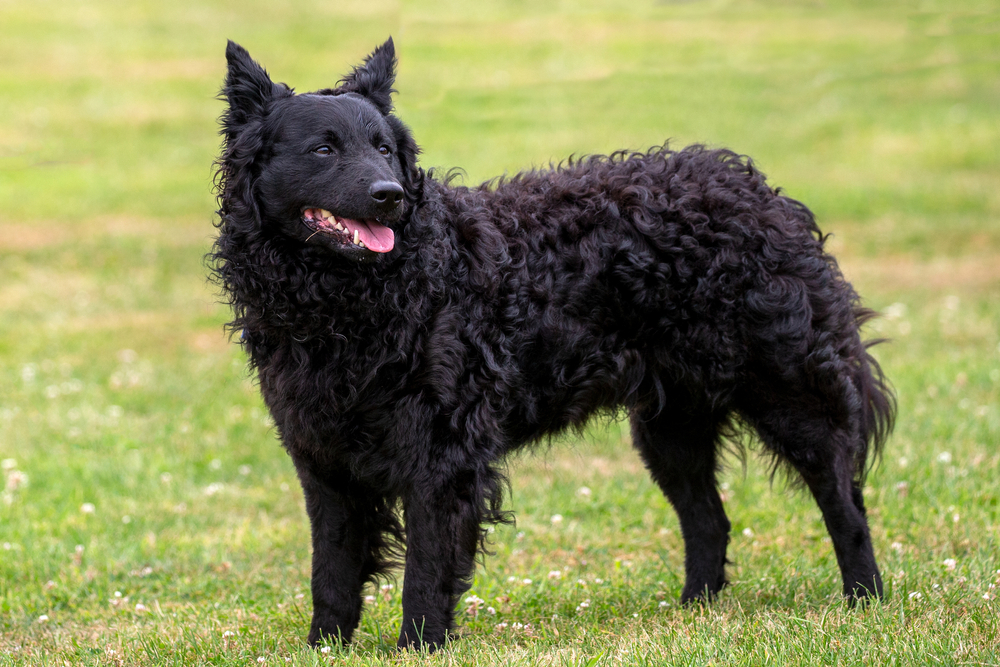
The Mudi dog is a medium-sized breed with a muscular build, reaching heights of 37-40 cm (15-16 inches) at the shoulder. Females are slightly smaller than males. The breed’s distinctive feature is its thick coat, which is ruffled on the head and legs, while the rest of the body has a longer, wavy coat.
The Mudi dog’s coat contains a high amount of pigment, making it appear black in areas where there is no fur. The color can range from solid black to white, with markings of gray or red. The breed’s eyes are dark brown and almond-shaped, while its ears are erect and pointed, similar to a “V” shape.
Temperament of the Mudi Dog
The Mudi dog is known for its sweet and affectionate nature. It is highly intelligent and responds well to training, making it an excellent companion for families with children or individuals who enjoy outdoor activities.
The breed’s natural herding instinct makes it suitable for guarding livestock, but it is not aggressive towards humans. The Mudi dog is also a great watchdog, as its keen senses allow it to detect potential threats from a distance.
Care Requirements of the Mudi Dog
Due to the breed’s rarity, finding an Italian Mudi dog breeder can be challenging. According to the ENCI register, there were only a few dozen Mudi dogs registered in Italy in 2015, with none reported since then. However, it is likely that some breeders will start recognizing the Mudi dog breed soon.
When purchasing a Mudi dog, it is essential to ensure that the breeder provides:
- Regulated documentation
- Healthy canine condition
- Minimal genetic defects
Price of the Mudi Dog
As the Mudi dog is still an emerging breed in Italy, its price is difficult to determine. When purchasing a Mudi dog, be cautious of overpriced dogs and look for reputable breeders who prioritize health and temperament.
To ensure you find a healthy and well-socialized Mudi dog, follow these tips:
- Research local breeders or puppy sellers
- Verify the breeder’s credentials and reputation
- Ask about the dog’s ancestry and genetic testing
Health Considerations
As with any rare breed, the Mudi dog is prone to certain health issues. These include:
- Hip dysplasia
- Elbow dysplasia
- Eye problems (e.g., cataracts, progressive retinal atrophy)
- Allergies
- Autoimmune disorders
It is essential to work with a reputable breeder who prioritizes health testing and genetic diversity to minimize the risk of these issues.
Grooming Requirements
The Mudi dog’s coat requires regular grooming to prevent matting and tangling. Brushing should be done 2-3 times a week, focusing on the ruffled areas of the face and legs. Regular nail trimming, ear cleaning, and dental care are also essential to maintain the breed’s overall health.
Exercise Requirements
The Mudi dog is highly active and requires regular exercise to stay happy and healthy. Daily walks and playtime should be at least 30 minutes long, with opportunities for running, playing fetch, or engaging in other physically demanding activities.
Training Requirements
The Mudi dog is highly intelligent and responds well to positive reinforcement training. Early socialization and training are crucial to develop good behavior and prevent unwanted habits.
Conclusion
The Mudi dog is an exceptional breed that combines intelligence, loyalty, and a gentle nature. With its unique appearance and natural herding ability, it makes an excellent companion for outdoor enthusiasts or families with children.
As we continue to discover more about this rare breed, we encourage you to share your experiences and stories about the Mudi dog on social media platforms like Twitter, Facebook, Google+, Pinterest, and more!
FAQs
- Q: What is the average lifespan of a Mudi dog?
A: The average lifespan of a Mudi dog is 10-15 years. - Q: How much exercise does a Mudi dog require?
A: Mudi dogs are highly active and need regular exercise, such as daily walks and playtime. - Q: Can I keep a Mudi dog in an apartment?
A: Yes, but the breed requires regular exercise and attention to prevent boredom and destructive behavior. - Q: How often should I groom my Mudi dog?
A: Regular grooming is essential to maintain the breed’s distinctive coat, with brushing needed 2-3 times a week. - Q: Is the Mudi dog suitable for families with small children?
A: Yes, due to its gentle nature and intelligence, the Mudi dog makes an excellent family pet. - Q: Can I train my Mudi dog as a service dog?
A: While the breed’s natural herding ability is impressive, it may not be ideal for service work. However, with proper training, Mudi dogs can excel in various roles. - Q: How often should I take my Mudi dog to the vet?
A: Regular check-ups are essential to monitor the breed’s health and detect potential issues early on. - Q: Can I breed a Mudi dog myself?
A: Currently, breeding a Mudi dog is not recommended due to the breed’s rarity and lack of recognition in Italy.
Additional Resources
For those interested in learning more about the Mudi dog or finding reputable breeders, we recommend the following resources:
- ENCI Register (Italian Kennel Club)
- FCI Breed Standard (Fédération Cynologique Internationale)
- Hungarian Sheepdog Breeders Association
- Rare Breed Dog Rescue


