
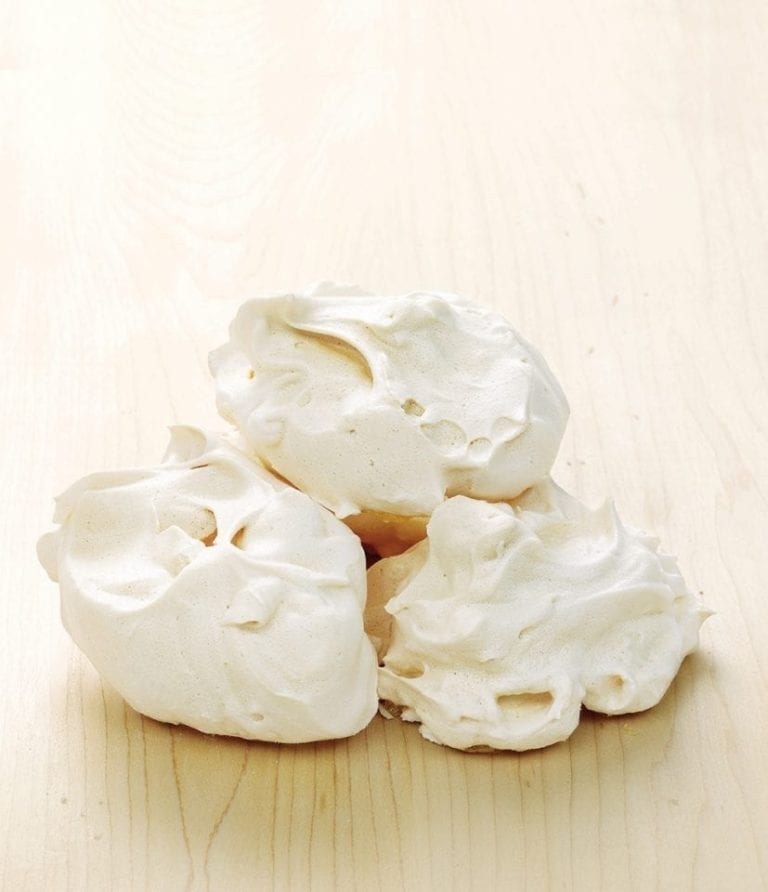
Introduction
Making meringues at home is a simple yet rewarding process that requires just two ingredients: sugar and eggs. With the right techniques and precautions, you can create delicious and crispy meringues that are perfect for topping cakes, cookies, frappes, frullados, and gelatos. In this article, we’ll explore the basics of making meringues at home, including tips, tricks, and variations.
Understanding Meringue Basics
Meringues are simple, sweet treats that consist of whipped egg whites and sugar. They’re a great alternative to traditional baked goods, as they’re light, airy, and can be customized with various flavors and colors. However, making meringues can seem intimidating, especially for those who have never attempted it before.
The Importance of Using High-Quality Ingredients
When making meringues, the quality of your ingredients is crucial. Use fresh eggs from a trusted source, such as a local farm or a reputable supplier. Avoid using old or low-quality eggs, as they can affect the texture and flavor of your meringues.
Choosing the Right Equipment
To make meringues, you’ll need a few basic pieces of equipment, including:
- A large mixing bowl
- An electric mixer (such as a stand mixer or handheld mixer)
- A measuring cup
- A spatula
Make sure to use clean and dry equipment to prevent any contamination or spoilage.
Separating Egg Whites from Yolks
One of the most critical steps in making meringues is separating egg whites from yolks. This requires some care and attention, as even a small amount of yolk can contaminate the entire mixture and affect its texture.
To separate eggs safely, use one of the following methods:
- Use a clean, sharp knife to gently cut the egg in half.
- Use an egg separator tool to carefully remove the whites from the yolks.
- Use a spoon or spatula to gently scoop out the whites from the yolks.
Tips for Whipping Egg Whites
Whipping egg whites is an art that requires patience, persistence, and practice. Here are some tips to help you get started:
- Make sure your eggs are at room temperature before whipping them.
- Use a clean and dry bowl and utensils.
- Start by whipping the egg whites on low speed, then gradually increase the speed as they become more stiff.
- Avoid over-whipping, as this can cause the egg whites to become too stiff and separate.
Adding Sugar to Egg Whites
Once your egg whites are whipped, it’s time to add sugar. Use granulated sugar that’s been sifted or powdered to prevent any lumps from forming. Add the sugar gradually, stirring constantly, until the mixture becomes thick and glossy.
Baking Meringues in the Oven
To bake meringues, preheat your oven to a low temperature (usually around 80°C). Line a baking sheet with parchment paper and place the meringue mixture onto it. Use a spatula to shape the meringues into desired forms, such as stars, flowers, or simple cones.
Bake the meringues for about an hour, or until they’re dry and crisp. Avoid overbaking, as this can cause them to become too dark or brittle.
Decorating Meringues
Once your meringues are baked, you can decorate them with a variety of toppings, such as:
- Chocolate: melt chocolate in a double boiler or in the microwave and spread it onto the cooled meringues.
- Powdered sugar: sprinkle powdered sugar over the meringues for a sweet and elegant look.
- Fresh fruit: top meringues with fresh fruit, such as strawberries or blueberries, for a pop of color and flavor.
The Secret to Making Perfect Meringues
So, what’s the secret to making perfect meringues? It all comes down to attention to detail, patience, and practice. Here are some additional tips to help you improve your meringue-making skills:
- Use fresh eggs from trusted sources.
- Whipped egg whites until they’re stiff and glossy.
- Avoid over-whipping or overbaking.
- Decorate meringues with care and creativity.
Tips for Achieving the Perfect Crispiness
Crispiness is a key characteristic of perfect meringues. Here are some tips to help you achieve the perfect crispiness:
- Bake meringues at a low temperature (usually around 80°C) for about an hour.
- Avoid overbaking, as this can cause them to become too dark or brittle.
- Use parchment paper to line the baking sheet, as this will help prevent sticking and promote even baking.
- Tap the baking sheet gently after removing it from the oven to remove any air bubbles that may have formed.
Variations and Flavor Combinations
Meringues are a versatile treat that can be flavored in countless ways. Here are some popular variations and flavor combinations:
- Lemon meringue: add lemon zest or juice to the egg whites for a bright, citrusy flavor.
- Chocolate meringue: melt chocolate in a double boiler or in the microwave and spread it onto the cooled meringues.
- Strawberry meringue: top meringues with fresh strawberries or strawberry jam for a sweet and fruity combination.
- Espresso meringue: add instant espresso powder to the egg whites for a mocha-flavored treat.
Common Mistakes to Avoid
While making meringues can be a fun and rewarding process, there are some common mistakes that can lead to disappointing results. Here are some tips to help you avoid these mistakes:
- Over-whipping or over-baking: this can cause the egg whites to become too stiff and separate, resulting in meringues that are dense and heavy.
- Using old or low-quality eggs: these can affect the texture and flavor of your meringues.
- Not using enough sugar: meringues need a significant amount of sugar to stabilize them and prevent them from becoming too sticky.
Conclusion
Making meringues at home is a fun and rewarding process that requires patience, practice, and attention to detail. With the right techniques and ingredients, you can create delicious and crispy meringues that are perfect for topping cakes, cookies, frappes, frullados, and gelatos. Whether you’re a seasoned baker or just starting out, we hope this article has provided you with the tools and inspiration you need to get started on your meringue-making journey!
Additional Tips and Tricks
Here are some additional tips and tricks to help you improve your meringue-making skills:
- Use a clean and dry bowl and utensils when whipping egg whites.
- Avoid over-whipping or over-baking, as this can cause the egg whites to become too stiff and separate.
- Decorate meringues with care and creativity to add visual appeal and personality.
- Experiment with different flavors and flavor combinations to create unique and delicious meringue treats.
Troubleshooting Common Issues
While making meringues is generally a straightforward process, there are some common issues that can arise. Here are some tips for troubleshooting these issues:
- If your meringues become too sticky or soggy, try adding more sugar or baking them at a higher temperature.
- If your meringues don’t hold their shape or become misshapen, try using a different type of egg white (such as Japanese-style egg whites) or adjusting the baking time and temperature.
- If your meringues become too dark or burnt, try reducing the baking time and temperature or using a baking sheet with parchment paper.
By following these tips, tricks, and techniques, you’ll be well on your way to making perfect meringues at home. Happy baking!


