
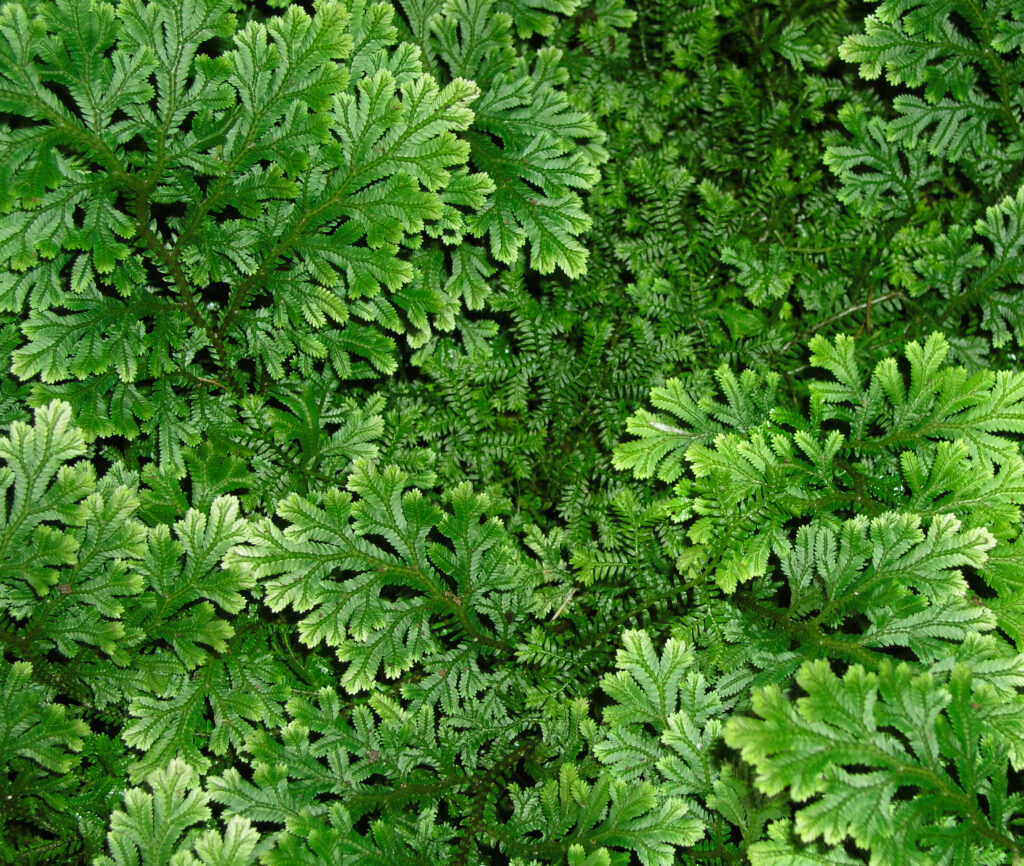
Selaginella is a fascinating plant genus that belongs to the family Selaginellaceae. With over 700 species native to Europe, Africa, Australia, and parts of North America, this evergreen plant has adapted to various environments. In this article, we’ll delve into the characteristics, care requirements, and interesting facts about selaginella.
What is Selaginella?
Selaginella is a low-growing, non-vascular plant that resembles moss in some species. Its unique ability to absorb water through its base, coupled with its small leaves covered in a thick cuticle, allows it to thrive in humid environments. This characteristic has earned selaginella the nickname “plant of resurrection.”
Characteristics of Selaginella
Selaginella is a remarkable plant with several distinct features:
- Growth Habit: Selaginella can grow as an erect or prostrate plant, depending on the species.
- Leaves: The leaves are small and covered in a thick cuticle, which helps to conserve water.
- Root System: The roots of selaginella consist of numerous secondary meristems that absorb moisture from the soil.
- Fern-like Structure: Selaginella’s plant structure resembles that of ferns, with a prominent base and multiple branching stems.
Where is Selaginella Found?
Selaginella is native to various regions, including:
- Europe: Many species are found in European countries.
- Africa: Some species have adapted to the dry conditions in African environments.
- Australia: Selaginella has spread throughout Australia due to its ability to thrive in diverse ecosystems.
- North America: Several species are native to parts of North America.
Growing Selaginella: Tips and Tricks
To grow a thriving selaginella, follow these care guidelines:
- Lighting: Provide partial shade, as direct sunlight can be too intense for this plant.
- Watering: Water your selaginella regularly, but avoid overwatering to prevent root rot.
- Temperature: Keep the temperature between 16-18°C (60-65°F) to ensure optimal growth.
- Humidity: Maintain a humid environment by misting the plant with water occasionally.
Parasites and Diseases
Selaginella is generally a healthy plant, but it can be susceptible to parasites and diseases:
- Common Pests: Watch out for spider mites, mealybugs, and scale insects.
- Diseases: Fungal infections can occur if the soil is too wet or dry.
Interesting Facts About Selaginella
Selaginella has some fascinating properties and uses:
- Calcium-Resistant: This plant cannot tolerate calcium-rich water, making it a great addition to homes with hard water.
- Fossil Record: Selaginella’s ancestors lived during the Devonian period, around 400 million years ago.
- Symbolism: In some cultures, giving selaginella to loved ones is seen as a symbol of eternal love.
Propagation of Selaginella
Propagating selaginella can be done through various methods:
- Division: Divide the plant into smaller sections and pot them separately.
- Spores: Collect spores from mature plants and sow them on moist soil.
- Stem Cuttings: Take cuttings from the stems of mature plants and root them in water or soil.
Propagation Challenges
While propagation is relatively straightforward, there are some challenges to consider:
- Difficulty in Spore Dispersal: Spores can be difficult to disperse, especially in dry environments.
- Fungal Infections: Fungal infections can occur if the spores come into contact with contaminated soil or water.
Conclusion
Selaginella is an intriguing plant with unique characteristics and adaptations. By following our care tips and understanding its needs, you can enjoy the beauty of this fascinating plant in your home or garden.


