
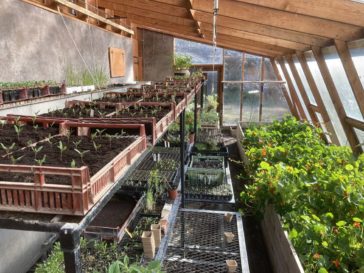
As the world shifts towards more sustainable and eco-friendly solutions, solar bioclimatic greenhouses have emerged as a promising technology for reducing energy consumption and carbon emissions. In this article, we’ll delve into the world of these innovative structures, exploring their benefits, design considerations, and regulatory frameworks.
What are Solar Bioclimatic Greenhouses?
Solar bioclimatic greenhouses are designed to capture solar radiation and convert it into usable energy, providing a sustainable solution for heating and cooling buildings. These structures are specifically engineered to maximize energy efficiency, minimizing the need for artificial lighting and mechanical ventilation.
Key Design Considerations
To ensure optimal performance, solar bioclimatic greenhouses must be carefully designed with several factors in mind:
- Orientation: The south-facing orientation is ideal, as it allows for maximum exposure to sunlight during the day.
- Glazing: Double-glazed or triple-glazed glass is recommended to minimize heat loss and retain warmth.
- Thermal Mass: Incorporating thermal mass elements, such as concrete or brick, can help regulate indoor temperatures.
The Benefits of Solar Bioclimatic Greenhouses
These structures offer numerous benefits, including:
- Energy Savings: By harnessing solar energy, bioclimatic greenhouses reduce reliance on non-renewable sources.
- Increased Comfort: Regulated temperature and humidity levels create a more comfortable living environment.
- Low Maintenance: Solar bioclimatic greenhouses require minimal upkeep, reducing operational costs.
Regulatory Frameworks
To ensure safety and compliance with local regulations, it’s essential to understand the guidelines governing solar bioclimatic greenhouse construction:
- Building Code Compliance: Greenhouses must adhere to building codes and zoning regulations.
- Tax Incentives: In some jurisdictions, bioclimatic greenhouses are exempt from property taxes or qualify for tax credits.
Challenges and Limitations
While solar bioclimatic greenhouses offer numerous benefits, there are also challenges to consider:
- Initial Investment: The high upfront cost of construction can be a barrier to adoption.
- Land Availability: Finding suitable land for bioclimatic greenhouse construction can be limited in urban areas.
Real-World Applications
Solar bioclimatic greenhouses have been successfully integrated into various building types, including:
- Residential Buildings: Homes and apartments benefit from the energy-efficient heating and cooling provided by these structures.
- Commercial Properties: Offices, schools, and other commercial buildings can reduce energy consumption while maintaining a comfortable indoor environment.
Case Study: The Solar Bioclimatic Greenhouse in Rotterdam
The city of Rotterdam has implemented several solar bioclimatic greenhouses as part of its urban development strategy. These structures have not only reduced energy consumption but also provided a unique living space for residents, promoting community engagement and sustainability.
Conclusion
Solar bioclimatic greenhouses represent a promising solution for sustainable building design. By understanding the key design considerations, benefits, and regulatory frameworks surrounding these structures, architects, builders, and homeowners can harness their potential to create more efficient, environmentally friendly spaces.
Frequently Asked Questions
- What is the primary function of solar bioclimatic greenhouses?
Solar bioclimatic greenhouses are designed to capture solar radiation and convert it into usable energy for heating and cooling buildings. - How do solar bioclimatic greenhouses reduce energy consumption?
By harnessing solar energy, these structures reduce reliance on non-renewable sources, minimizing energy consumption while maintaining a comfortable indoor environment. - Can solar bioclimatic greenhouses be used in urban areas?
While land availability can be limited, innovative designs and retrofitting existing buildings with bioclimatic greenhouse technology can help overcome these challenges. - What are the primary materials used for construction?
Double-glazed or triple-glazed glass, thermal mass elements (such as concrete or brick), and a suitable frame structure are commonly employed in solar bioclimatic greenhouse design. - Can solar bioclimatic greenhouses be used for commercial purposes?
Yes, these structures can be integrated into various commercial properties, such as offices, schools, and shopping centers, to reduce energy consumption while maintaining a comfortable indoor environment. - What is the typical orientation of a solar bioclimatic greenhouse?
A south-facing orientation is ideal, allowing for maximum exposure to sunlight during the day. - How do thermal mass elements contribute to solar bioclimatic greenhouses?
Thermal mass elements help regulate indoor temperatures by absorbing and releasing heat throughout the day. - Can solar bioclimatic greenhouses be used in cold climates?
While they may require additional insulation or heating systems, solar bioclimatic greenhouses can still be effective in reducing energy consumption and providing a comfortable indoor environment in colder climates.
Future Developments
As research and development continue, we can expect to see advancements in solar bioclimatic greenhouse technology, including:
- Improved Energy Efficiency: Enhanced insulation materials and optimized design can lead to increased energy savings.
- Increased Adoption: As the benefits of solar bioclimatic greenhouses become more apparent, adoption rates are expected to rise.
- Integration with Emerging Technologies: The integration of emerging technologies, such as smart home systems and IoT sensors, will further enhance the efficiency and comfort provided by these structures.
By understanding the potential of solar bioclimatic greenhouses and their benefits, architects, builders, and homeowners can create more sustainable and environmentally friendly spaces.


