
Introduction
As the world’s population continues to urbanize, the need for sustainable construction practices has become increasingly urgent. One crucial aspect of this is managing construction waste, also known as construction and demolition (C&D) waste. This article will explore the importance of C&D waste management, its benefits, and provide guidance on how to implement sustainable practices in the construction industry.
What is Construction Waste?
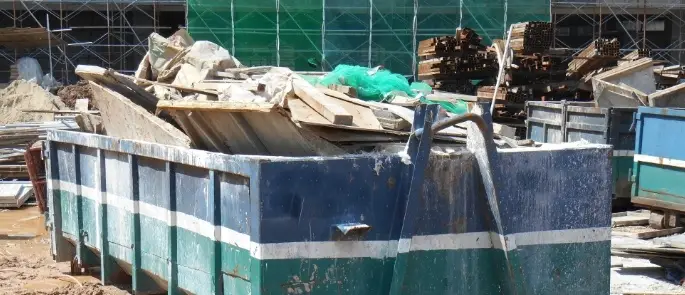
Construction waste, or C&D waste, refers to the materials generated during the construction and demolition phases of a building project. This can include materials such as concrete, steel, wood, glass, and other debris. The composition of C&D waste varies widely depending on the type of construction project, but it is estimated that 50-60% of the materials used in construction are discarded.
The Benefits of Sustainable Construction Waste Management
Managing construction waste effectively can have numerous benefits for the environment, economy, and society as a whole. Some of these benefits include:
- Reduced greenhouse gas emissions
- Conservation of natural resources
- Savings on waste disposal costs
- Creation of jobs in recycling and reusing materials
The Current State of Construction Waste Management
Unfortunately, construction waste management is not always a priority for builders and contractors. In many cases, C&D waste is sent to landfills or incinerated without being properly recycled or reused. This can have devastating environmental consequences, including pollution and the depletion of natural resources.
A Brief History of Construction Waste Management in Italy
In Italy, construction waste management has been a topic of discussion for decades. In 1998, the Italian government introduced a set of regulations aimed at reducing waste disposal costs and promoting recycling. These regulations have been updated over time to reflect changing environmental standards and technological advancements.
Key Players in Construction Waste Management
There are several key players involved in construction waste management, including:
- Local authorities and municipalities
- Waste management companies
- Contractors and builders
- Environmental organizations
Techniques for Demolition Selettiva
Demolition selettiva is a technique used to separate materials during the demolition phase of a building project. This can help reduce waste disposal costs and promote recycling. Some common techniques used in demolition selettiva include:
- Mechanical demolition
- Manual demolition
- Deconstruction
Benefits of Demolition Selettiva
Demolition selettiva has several benefits, including:
- Reduced waste disposal costs
- Increased recyclable materials
- Creation of jobs in recycling and reusing materials
Frequently Asked Questions (FAQs)
- What is the impact of construction waste on the environment?
Construction waste can have devastating environmental consequences, including pollution and the depletion of natural resources. - How can demolition selettiva benefit the construction industry?
Demolition selettiva can reduce waste disposal costs, increase recyclable materials, and create jobs in recycling and reusing materials. - What are some common techniques used in demolition selettiva?
Some common techniques used in demolition selettiva include mechanical demolition, manual demolition, and deconstruction. - How can local authorities promote sustainable construction practices?
Local authorities can promote sustainable construction practices by providing education and training to contractors and builders, enforcing regulations and standards, and providing incentives for recycling and reusing materials.
Conclusion
Managing construction waste effectively is crucial for promoting sustainability in the construction industry. By implementing techniques such as demolition selettiva and recycling, we can reduce waste disposal costs, increase recyclable materials, and create jobs in recycling and reusing materials. As the world’s population continues to urbanize, it is essential that we prioritize sustainable construction practices to protect our environment for future generations.
Frequently Asked Questions (FAQs)
- What are some common mistakes to avoid when managing construction waste?
Some common mistakes to avoid include failing to properly sort and segregate materials, not recycling or reusing materials whenever possible, and ignoring regulations and standards. - How can contractors and builders implement sustainable construction practices in their projects?
Contractors and builders can implement sustainable construction practices by following best management practices for waste reduction and recycling, using recycled materials when possible, and promoting education and training to workers. - What role do environmental organizations play in promoting sustainable construction practices?
Environmental organizations can play a crucial role in promoting sustainable construction practices by providing education and training, advocating for regulations and standards, and supporting research and development of new technologies and techniques. - How can local authorities support the transition to sustainable construction practices?
Local authorities can support the transition to sustainable construction practices by providing incentives for recycling and reusing materials, enforcing regulations and standards, and promoting education and training to contractors and builders.
References
- Italian Government. (1998). Decreto Ministeriale 5 febbraio 1998, n. 183. Recupero dei rifiuti da costruzione e demolizione.
- European Union. (2006). Directive 2006/21/EC of the European Parliament and of the Council of 15 March 2006 on material recycling measures.
Additional Resources
- National Waste & Recycling Association. (2020). Construction Waste Management: Best Practices for Contractors.
- Environmental Protection Agency. (2019). Sustainable Materials in Construction: A Guide for Builders.
- International Organization for Standardization. (2017). ISO 14001:2015 Environmental management systems — Requirements with guidance for use.
By understanding the importance of managing construction waste and implementing sustainable practices, we can work towards a more environmentally friendly and responsible construction industry.


