
Menta, the Herb of Choice
As a popular herb in many parts of the world, peppermint has been used for centuries to aid digestion, alleviate nausea, and even provide relief from headaches. But what makes peppermint so special? Let’s dive into the fascinating world of this aromatic herb.
A Brief History of Peppermint
Peppermint is a member of the Lamiaceae family, which also includes basil and rosemary. It has been cultivated for thousands of years, with evidence of its use dating back to ancient civilizations in Egypt, Greece, and Rome. The Greeks and Romans used peppermint to treat a variety of ailments, including indigestion and headaches.
The Science Behind Peppermint’s Medicinal Properties
Modern science has confirmed many of the traditional uses of peppermint. Its leaves contain compounds like menthol and menthone, which give it its characteristic cooling sensation on the tongue and in the throat. These compounds have also been shown to have anti-inflammatory properties, making them effective in reducing pain and inflammation.
Peppermint’s Digestive Benefits
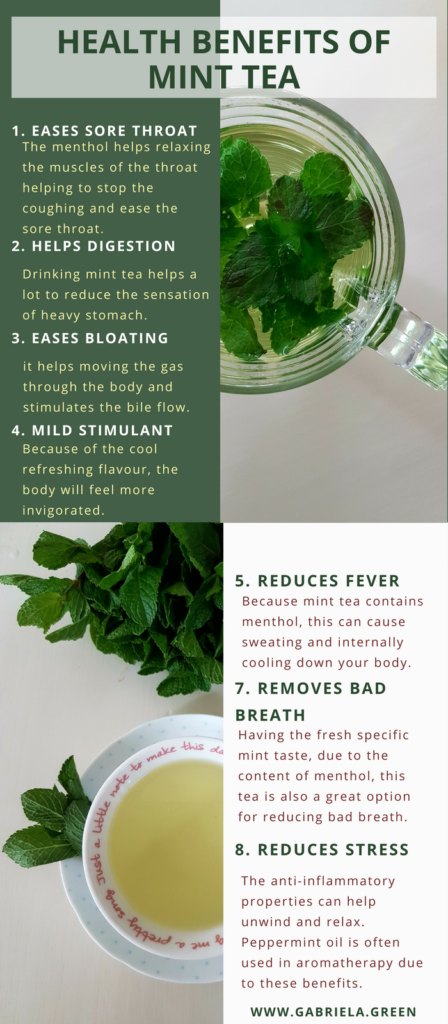
One of the most well-known benefits of peppermint is its ability to ease digestive issues like bloating, gas, and indigestion. This is due to its ability to relax the muscles in the stomach and intestines, allowing food to pass more smoothly through the digestive system.
The Role of Peppermint in Reducing Inflammation
Peppermint has been shown to reduce inflammation in the body by inhibiting the production of pro-inflammatory enzymes. This makes it an effective natural remedy for reducing pain and discomfort associated with conditions like arthritis, fibromyalgia, and migraines.
Peppermint’s Anticancer Properties
Research has also shown that peppermint may have anticancer properties, although more studies are needed to confirm this. The menthol in peppermint has been shown to inhibit the growth of cancer cells and induce apoptosis (cell death).
Using Peppermint in Cooking
Peppermint is a versatile herb that can be used in a variety of dishes, from salads and desserts to drinks and sauces. Its cooling sensation makes it a great addition to hot soups and stews.
Preparing an Infusion of Peppermint
To prepare an infusion of peppermint, simply add 5-6 fresh leaves to a teapot or infuser and steep in boiling water for 5-10 minutes. Strain the liquid before consumption.
Combining Peppermint with Other Herbs
Peppermint pairs well with other herbs like ginger and cinnamon to create soothing drinks that can help alleviate nausea and indigestion.
Safety Precautions
While peppermint is generally safe to use, there are some precautions to take. If you have acid reflux or stomach ulcers, consult with your doctor before using peppermint tea. Additionally, if you’re pregnant or breastfeeding, consult with your healthcare provider before consuming peppermint tea.
Frequently Asked Questions
Q: What are the benefits of drinking peppermint tea?
A: Drinking peppermint tea can help alleviate digestive issues like bloating and indigestion, as well as provide relief from headaches and nausea.
Q: Can I use dried peppermint leaves instead of fresh ones?
A: Yes, you can use dried peppermint leaves to make an infusion. However, the flavor may not be as intense as using fresh leaves.
Q: How often should I drink peppermint tea?
A: Drink peppermint tea after meals to help aid digestion and alleviate bloating and indigestion.
Q: Can I take peppermint oil internally?
A: Yes, you can take peppermint oil internally, but consult with your healthcare provider first. Also, ensure that the oil is food-grade and safe for consumption.
Q: What are some common side effects of using peppermint tea?
A: Common side effects of using peppermint tea include heartburn, bloating, and gas. If you experience any discomfort or pain, discontinue use.
Q: Can I consume peppermint tea if I have allergies?
A: If you’re allergic to mint or other members of the Lamiaceae family, consult with your healthcare provider before consuming peppermint tea.
Q: How can I grow my own peppermint plant at home?
A: You can purchase a peppermint plant from a nursery or online store. Plant it in well-draining soil and provide plenty of sunlight to ensure healthy growth.
Peppermint’s Role in Oral Health
In addition to its digestive benefits, peppermint has also been shown to have antimicrobial properties that can help reduce plaque and prevent bad breath. This makes it an effective natural remedy for maintaining good oral health.
Using Peppermint Oil for Skin Issues
Peppermint oil has also been used topically to relieve skin issues like acne, eczema, and bug bites. Its cooling sensation and anti-inflammatory properties make it an effective natural remedy for soothing irritated skin.
The Benefits of Peppermint in Skincare
In skincare, peppermint oil is often used as a toner or ingredient in face creams and serums. It helps to balance the skin’s pH levels, reduce inflammation, and promote healthy skin cell growth.
Peppermint’s Role in Stress Relief
Peppermint has also been shown to have stress-relieving properties that can help alleviate anxiety and depression. Its calming effect on the nervous system makes it an effective natural remedy for promoting relaxation and reducing stress.
Using Peppermint as a Natural Pain Reliever
Peppermint oil has also been used topically to relieve pain and discomfort associated with conditions like arthritis, fibromyalgia, and migraines. Its anti-inflammatory properties make it an effective natural remedy for reducing pain and inflammation.
Conclusion
In conclusion, peppermint is a versatile herb that offers numerous health benefits, from digestive issues to stress relief. Whether you prefer drinking tea or using oil topically, this aromatic herb is sure to become a trusted companion on your journey towards better health. By incorporating peppermint into your daily routine, you may find relief from a variety of ailments and improve your overall well-being.
Additional Research and Studies
If you’re interested in learning more about the medicinal properties of peppermint, here are some additional studies and research that you might find interesting:
- A study published in the Journal of Ethnopharmacology found that peppermint oil inhibited the growth of cancer cells in vitro.
- A study published in the Journal of Agricultural and Food Chemistry found that peppermint extract had anti-inflammatory properties and reduced inflammation in rat models.
- A study published in the Journal of Cosmetic Dermatology found that peppermint oil was effective in reducing pain and discomfort associated with skin conditions like eczema.
Peppermint’s Future Potential
While more research is needed to confirm its medicinal properties, peppermint has shown great promise as a natural remedy for a variety of ailments. Its versatility, safety, and efficacy make it an attractive option for those looking for alternative therapies.
By continuing to study the medicinal properties of peppermint, we may uncover new ways to harness its potential and create innovative treatments for a range of health conditions. Whether you’re interested in using peppermint as a natural remedy or simply want to learn more about this versatile herb, there’s no denying that it has earned its place as one of nature’s most effective medicines.


