
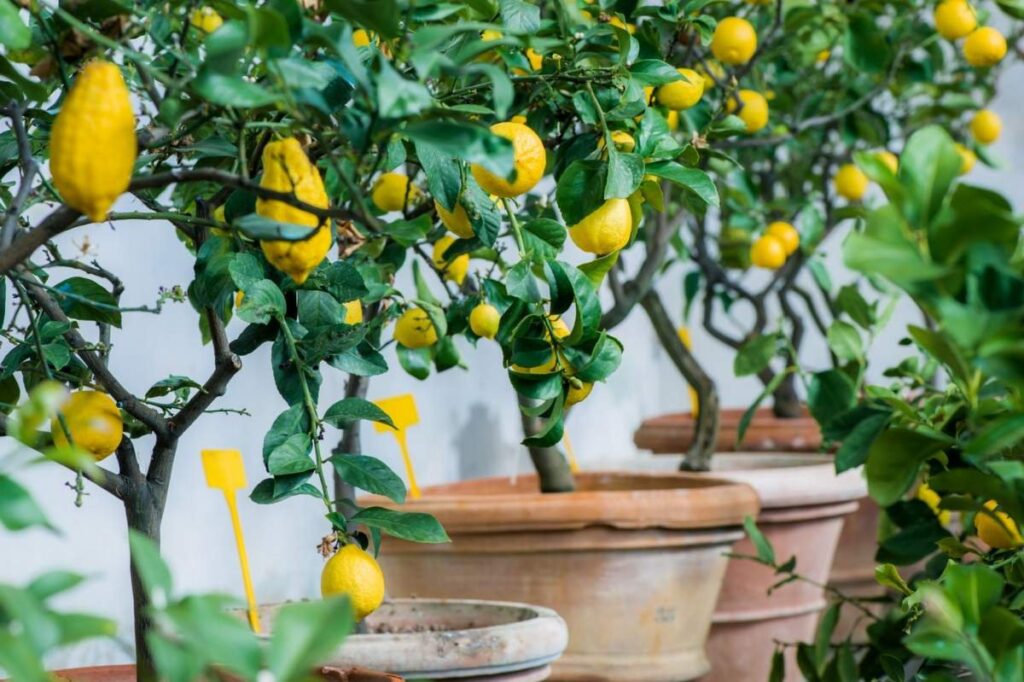
Growing citrus trees in pots can be a rewarding experience, but it requires attention to detail and regular maintenance. In this article, we will delve into the world of citrus growing in pots, covering everything from preparing the soil to pruning and fertilizing.
Understanding the Needs of Citrus Trees in Pots
Citrus trees grown in pots have limited root space, which means they need additional nutrients to thrive. This is where proper fertilization comes in – it’s essential to provide your citrus tree with a balanced diet to promote healthy growth and fruiting.
One of the most critical factors affecting citrus tree health in pots is the soil composition. Citrus trees prefer well-draining soils that are rich in organic matter, such as compost or manure. When choosing a potting mix specifically designed for citrus trees, ensure it contains a balance of sand, silt, and clay to provide optimal drainage.
Timing is Everything: When to Move Citrus Trees Outdoors
In the Northern Italy region, it’s recommended to move citrus trees outdoors from late March to early April, when nighttime temperatures are above 6-8°C. This allows for proper acclimation to outdoor conditions before exposing them to full sunlight and potential frost damage.
Before moving your citrus tree outdoors, inspect the tree for any signs of pests or diseases. If you notice any issues, address them promptly with organic or integrated pest management strategies.
Initial Fertilization: The Importance of a Good Start
In early spring, around March, perform an initial fertilization on your citrus tree using organic materials like lupin meal (also known as lupini macinati). A general rule of thumb is to use 40-60 grams of lupin meal per pot with a capacity of 30-50 cm. This will give your tree a solid foundation for the growing season.
Finding the Right Fertilizer: Options and Dosages
When selecting a fertilizer, look for one specifically formulated for citrus trees in pots. These fertilizers typically contain NPK (nitrogen-phosphorus-potassium) ratios such as 5-10-15 or equivalent, with additional micronutrients like iron, magnesium, and sulfur.
Follow the recommended dosages provided by the manufacturer to ensure optimal results. Overfertilization can lead to nutrient imbalances and damage to your tree’s root system.
Summer Care: Maintaining Soil Health and Monitoring Pests
In the summer months, citrus trees in pots need regular watering and fertilization every 15 days using a liquid fertilizer specifically formulated for citrus trees. Keep an eye out for pests like aphids and whiteflies, which can be controlled with organic methods or integrated pest management strategies.
To maintain soil health during the hot summer months, consider incorporating compost tea into your routine. Compost tea is a liquid solution made by steeping compost in water, which provides beneficial microbes to the soil. This can help improve soil structure, increase nutrient uptake, and promote healthy microbial activity.
Dealing with Leaf Discoloration: Understanding Chlorosis
Leaf discoloration on citrus trees can be caused by chlorosis, a condition characterized by yellowing leaves due to inadequate nutrient uptake. To address this issue, apply a foliar spray containing 10-15 grams of iron (sulfate or ferrous) per gallon of water every month from April to June.
It’s essential to identify the underlying cause of leaf discoloration, as different factors can lead to similar symptoms. Common causes include nutrient deficiencies, pH imbalances, and root damage – work with a certified horticulturist or extension agent to determine the best course of action for your specific situation.
Pruning and Maintenance: A Balanced Approach
Regular pruning is essential for maintaining the health and structure of citrus trees in pots. Prune your tree three times a year, including once in spring, to promote fruiting and prevent disease. Additionally, consider repotting your tree every five years or as needed during the growing season.
Pruning Techniques: Tips and Best Practices
When pruning your citrus tree, use sharp, sterile tools to minimize the risk of infection. Remove any dead, diseased, or damaged branches, taking care not to damage healthy tissue in the process.
Make clean cuts at a 45-degree angle, just above a growth node, to encourage new growth and promote fruiting. Avoid over-pruning, as this can stress your tree and reduce yields.
Soil pH and Nutrient Management
Citrus trees prefer a slightly acidic soil pH between 6.0 and 7.0, with optimal nutrient levels for a balanced diet. Use a soil test kit or send a sample to a certified laboratory to determine the pH and nutrient content of your potting mix.
Adjust your fertilizer application accordingly based on the results, aiming for a balanced NPK ratio and adequate micronutrient intake. Monitor your tree’s response to fertilization, adjusting as needed to ensure optimal growth and fruiting.
Conclusion
Growing citrus trees in pots requires attention to detail and regular maintenance. By understanding the needs of these trees, using the right fertilizers, and addressing common issues like leaf discoloration, you can enjoy a bountiful harvest of delicious fruit. Remember to prune your tree regularly, monitor for pests and diseases, and maintain optimal soil health – with proper care, your citrus tree will thrive.
Frequently Asked Questions (FAQs)
-
Q: How often should I fertilize my citrus tree in pots?
A: Fertilize your citrus tree every 15 days during the summer months using a liquid fertilizer specifically formulated for citrus trees. -
Q: What is the best type of fertilizer to use on citrus trees in pots?
A: Look for a fertilizer with an NPK ratio of 5-10-15 or equivalent, containing additional micronutrients like iron, magnesium, and sulfur. -
Q: How can I deal with leaf discoloration on my citrus tree?
A: Apply a foliar spray containing 10-15 grams of iron (sulfate or ferrous) per gallon of water every month from April to June to address chlorosis. -
Q: Should I prune my citrus tree in pots during the growing season?
A: Prune your citrus tree three times a year, including once in spring, to promote fruiting and prevent disease. -
Q: How often should I repot my citrus tree in pots?
A: Repot your citrus tree every five years or as needed during the growing season. -
Q: Can I use organic fertilizers on my citrus tree in pots?
A: Yes, you can use organic materials like lupin meal (lupini macinati) as an initial fertilizer for your citrus tree in pots. -
Q: How do I know if my citrus tree is getting enough nutrients?
A: Monitor your tree’s growth and fruit production, adjusting fertilization schedules accordingly to ensure optimal results. -
Q: Are there any specific pests or diseases that affect citrus trees in pots?
A: Yes, common issues include aphids, whiteflies, chlorosis, and root rot – be sure to monitor for signs of these problems and take action as needed.


