
Are you tired of relying on medication to alleviate your headaches? Have you considered exploring natural remedies that can provide long-term relief without the side effects of conventional treatments? In this article, we’ll delve into the world of natural remedies for headaches, exploring their causes, types, and most effective solutions.
Understanding Headaches: Causes and Types
Before diving into the world of natural remedies, it’s essential to understand the nature of headaches. There are two primary categories: primary headaches and secondary headaches. Primary headaches are those that originate from the head itself, while secondary headaches are a result of an underlying medical condition.
Within these categories, there are several types of headaches, each with its unique characteristics:
- Tension Headache: A dull, aching pain that can be felt on both sides of the head, often accompanied by stiffness and tension in the neck and scalp.
- Cluster Headache: A severe, one-sided headache that can be accompanied by tearing and redness of the eye, nasal congestion, and drooping eyelid.
- Migraine: A debilitating headache that can be accompanied by sensitivity to light and sound, nausea, and vomiting.
Natural Remedies for Tension Headaches
Tension headaches are one of the most common types of headaches, affecting millions of people worldwide. Fortunately, there are several natural remedies that can provide relief from tension headaches:
- Patata: Raw or cooked potatoes contain a compound called solanine, which has anti-inflammatory properties that can help alleviate headache pain.
- Essential Oils: Certain essential oils, such as lavender, chamomile, and eucalyptus, have been shown to have analgesic and anti-inflammatory effects when applied topically or inhaled.
Natural Remedies for Migraines
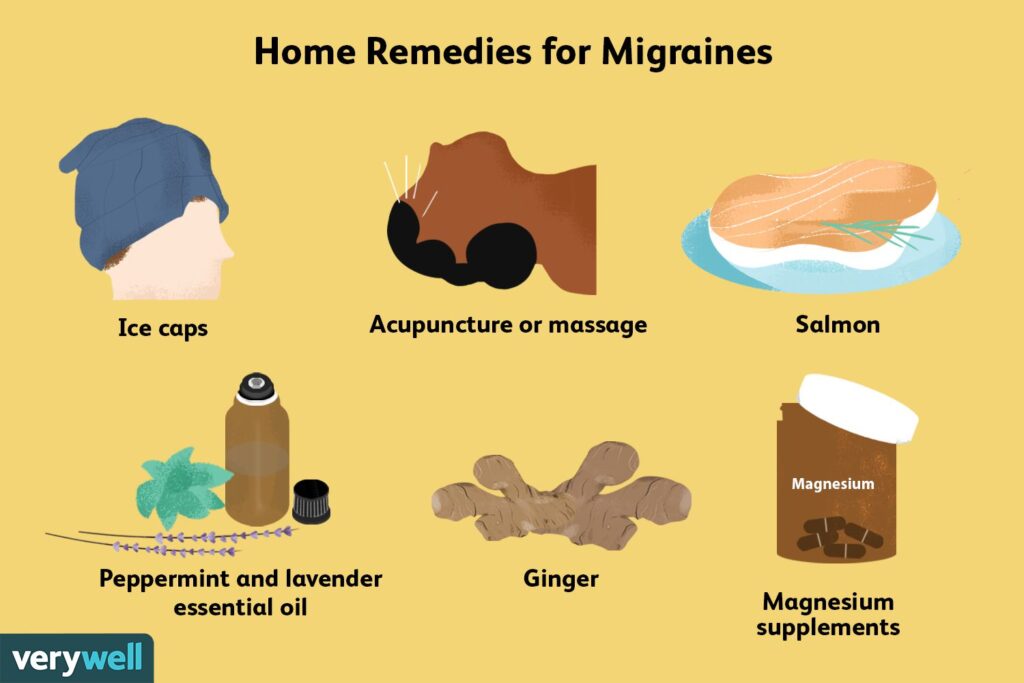
Migraines are a type of headache that can be debilitating and disrupt daily life. Fortunately, there are several natural remedies that can help alleviate migraine symptoms:
- Ginger: Ginger has anti-inflammatory properties that can help reduce pain and inflammation associated with migraines.
- Feverfew: Feverfew is a herb that has been shown to have anti-inflammatory and antispasmodic effects, making it an effective natural remedy for migraines.
Natural Remedies for Cluster Headaches
Cluster headaches are a type of headache that can be severe and debilitating. Fortunately, there are several natural remedies that can help alleviate cluster headache symptoms:
- Butterbur: Butterbur is a herb that has been shown to have anti-inflammatory and antispasmodic effects, making it an effective natural remedy for cluster headaches.
- Magnesium: Magnesium is a mineral that has been shown to have analgesic and anti-inflammatory effects when taken as a supplement.
Natural Remedies for Other Types of Headaches
In addition to tension headaches, migraines, and cluster headaches, there are several other types of headaches that can be alleviated with natural remedies. Some examples include:
- Sinus Headache: A headache caused by sinus pressure and inflammation, which can be alleviated with natural remedies such as eucalyptus oil and steam inhalation.
- Temporal Headache: A headache caused by tension in the temporal muscles, which can be alleviated with natural remedies such as massage and heat or cold packs.
Lifestyle Changes for Headache Prevention
In addition to using natural remedies, there are several lifestyle changes that can help prevent headaches:
- Regular Exercise: Regular exercise can help reduce stress and improve overall health, reducing the frequency and severity of headaches.
- Balanced Diet: Eating a balanced diet that includes plenty of fruits, vegetables, whole grains, and lean protein sources can help reduce inflammation and promote overall health.
- Adequate Sleep: Getting enough sleep is essential for maintaining good health, including headache prevention. Aim for 7-9 hours of sleep per night.
Conclusion
Headaches are a common problem that can disrupt daily life. While conventional treatments can provide relief, they often come with side effects and limitations. Fortunately, there are several natural remedies that can provide long-term relief without the drawbacks of medication. By exploring these natural remedies and making lifestyle changes to prevent headaches, individuals can take control of their headache management and live a healthier, happier life.
Frequently Asked Questions
Q: What is the best way to prevent headaches?
A: Prevention is key when it comes to headaches. Maintaining a healthy lifestyle, including regular exercise, a balanced diet, and adequate sleep, can help reduce the frequency and severity of headaches.
Q: Can essential oils really help with headaches?
A: Yes, certain essential oils have been shown to have analgesic and anti-inflammatory effects, making them effective natural remedies for headaches.
Q: What are some natural remedies for migraines?
A: Some natural remedies that can help alleviate migraine symptoms include ginger, feverfew, and magnesium.
Q: Can I use heat or cold packs to relieve headache pain?
A: Yes, both heat and cold packs can be used to relieve headache pain. However, it’s essential to use them in moderation and follow proper guidelines to avoid discomfort or injury.
Q: What is the best way to manage cluster headaches?
A: Cluster headaches are a severe type of headache that requires prompt medical attention. If you experience frequent or severe cluster headaches, consult with your doctor for proper diagnosis and treatment.
Q: Can I use natural remedies in combination with medication?
A: Yes, many people find that using natural remedies in conjunction with conventional treatments can be an effective way to manage headache symptoms. However, it’s essential to consult with your doctor before combining natural remedies with medication.
Q: What is the best way to store and maintain herbal remedies?
A: Herbal remedies should be stored in a cool, dry place, away from direct sunlight and heat sources. It’s also essential to follow proper instructions for preparation and dosing.
Q: Can I use natural remedies during pregnancy or breastfeeding?
A: Some natural remedies may not be safe for pregnant or breastfeeding women. Always consult with your healthcare provider before using any new herbal remedy during these times.


