
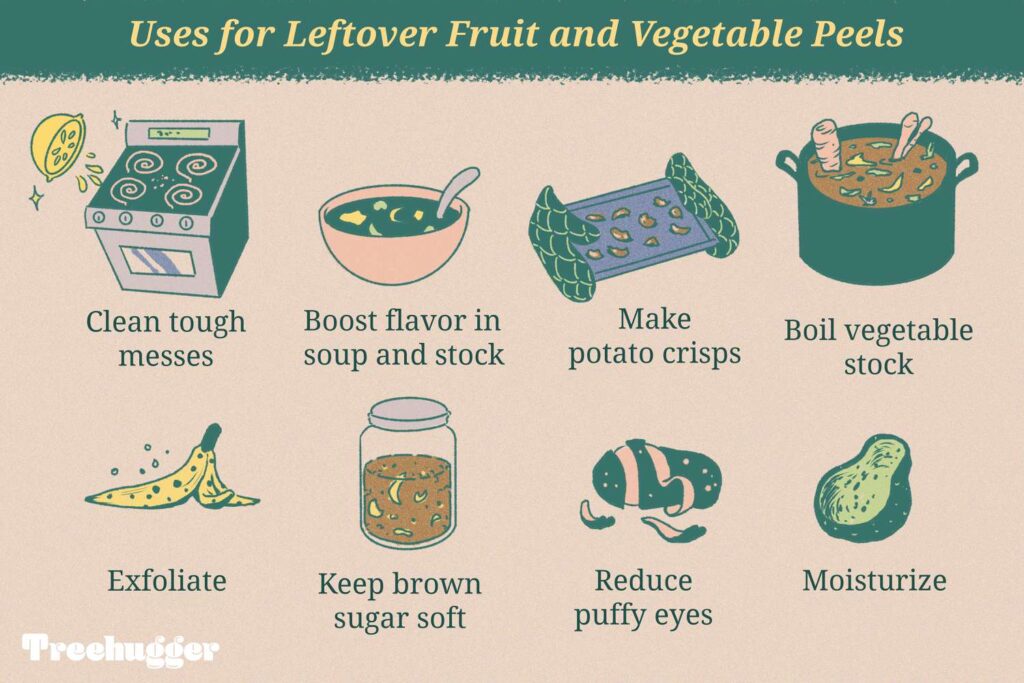
As we throw away fruit peels without a second thought, we are unaware of the treasure trove of natural remedies that can be created from these discarded parts. In this article, we will explore the fascinating world of fruit peel recycling and discover how it can help us live a healthier, more sustainable lifestyle.
The Importance of Fruit Peel Recycling
Did you know that up to 40% of the food produced globally is lost or wasted? This staggering statistic highlights the need for innovative solutions like fruit peel recycling. By utilizing these peels, we can reduce waste, create natural remedies, and promote sustainability.
Fruit peels are not only a valuable resource but also a rich source of nutrients, antioxidants, and phytochemicals. These compounds have been shown to have numerous health benefits, including reducing inflammation, improving digestion, and boosting the immune system. By harnessing the power of fruit peels, we can tap into these benefits and live a healthier, more sustainable lifestyle.
A Brief History of Fruit Peel Recycling
The concept of using fruit peels dates back to ancient civilizations, where people would use them in traditional medicine and cooking. The Incas, for example, used citrus peels as a natural remedy for digestive issues, while the Chinese used them to treat fever and colds. In modern times, fruit peel recycling has experienced a resurgence of interest, driven by growing concerns about waste management and environmental sustainability.
10 Surprising Ways to Use Fruit Peels
From skin care to hair treatment, fruit peels are an incredibly versatile ingredient. Here are 10 surprising ways to use them:
- Exfoliating Face Mask: Mix banana peel with sugar to create a natural exfoliating face mask that removes dead skin cells and promotes healthy skin.
- Skin Toner: Soak orange peel in water and use it as a skin toner to reduce acne and inflammation. The vitamin C content in oranges helps to brighten and even out skin tone, while the antioxidants reduce oxidative stress.
- Hair Treatment: Boil apple peel in water to create a hair treatment that promotes healthy hair growth. The quercetin content in apples has been shown to improve blood flow to the scalp, promoting healthy hair growth.
- Eye Cream: Mix grapefruit peel with coconut oil to create an eye cream that reduces puffiness and dark circles. The vitamin C content in grapefruits helps to brighten and even out skin tone, while the antioxidants reduce oxidative stress.
- Pest Control: Use lemon peel to repel pests like ants and aphids in your garden. The citric acid in lemons has a natural dehydrating effect on insects, making it an effective pest control method.
- Air Freshener: Boil orange peel in water to create a natural air freshener for your home. The fragrance released by the peels can help to eliminate odors and leave a pleasant scent.
- Skin Soother: Mix melon rind with honey to create a skin soother that reduces inflammation and soothes sunburns. The antioxidants in melons help to reduce oxidative stress, while the vitamin C content helps to brighten and even out skin tone.
- Natural Dye: Use pomegranate peel as a natural dye for fabric, paper, and other materials. The anthocyanins present in pomegranates give them their distinctive red color and have been shown to have numerous health benefits.
- Fertilizer: Add lemon peel to your compost pile to create a nutrient-rich fertilizer for your garden. The citric acid in lemons helps to break down organic matter, releasing nutrients that plants can absorb.
- Tea: Steep apple peel in hot water to create a soothing tea that reduces stress and promotes relaxation. The quercetin content in apples has been shown to reduce anxiety and promote feelings of calmness.
How to Recycle Fruit Peels
Recycling fruit peels is easier than you think. Here are some simple steps to get you started:
- Sort and Clean: Sort your fruit peels by type and clean them thoroughly. Remove any seeds, pits, or other debris that may be present.
- Dry and Store: Dry the peels completely and store them in airtight containers. This will help preserve their nutrients and prevent spoilage.
- Infuse or Boil: Infuse or boil the peels with water to extract their nutrients and oils. You can use this liquid as a skin toner, hair treatment, or natural remedy.
- Use Immediately: Use the infused liquid or oil immediately, or store it in the fridge for later use.
Tips for Effective Fruit Peel Recycling
To get the most out of your fruit peel recycling, follow these tips:
- Choose Fresh Peels: Choose fresh peels that are free from mold and rot.
- Use a Variety of Peels: Experiment with different types of peels to discover their unique benefits and uses.
- Store Peels Properly: Store peels in airtight containers to preserve their nutrients and prevent spoilage.
- Be Creative: Don’t be afraid to experiment with new recipes and remedies using your fruit peels.
Conclusion
Fruit peel recycling is a simple yet powerful way to reduce waste, promote sustainability, and create natural remedies. By embracing this practice, we can live a healthier, more environmentally friendly lifestyle. So next time you’re about to throw away that apple core or orange peel, remember: there’s magic in the trash!
FAQs
- Q: What are the most effective fruit peels for recycling?
A: The most effective fruit peels for recycling include lemon, lime, grapefruit, and orange. - Q: How do I choose the right fruit peel for a particular remedy?
A: Choose the right fruit peel based on its texture, flavor, and nutritional properties. For example, banana peels are rich in potassium, while citrus peels are high in vitamin C. - Q: Can I use any type of fruit peel?
A: While most fruit peels are safe to use, some types like citrus and tropical fruits can be too acidic or bitter for certain remedies. - Q: How do I store fruit peels?
A: Store fruit peels in airtight containers, away from direct sunlight and moisture. - Q: Can I recycle fruit peels if they’re moldy or rotten?
A: No, it’s best to discard moldy or rotten fruit peels, as they can contaminate other peels and create health risks. - Q: How long do I need to infuse or boil fruit peels for a particular remedy?
A: The infusion time will vary depending on the type of peel and the desired effect. - Q: Can I use fruit peel oil in cooking?
A: No, fruit peel oils are not safe for human consumption and should only be used topically or in skincare products. - Q: How can I share my experience with fruit peel recycling?
A: Share your experience on social media, blog posts, or with friends and family to inspire others to start recycling their fruit peels!
Glossary of Fruit Peel Terms
- Anthocyanins: A type of antioxidant found in fruits like pomegranates that give them their distinctive red color.
- Citric acid: A natural preservative found in citrus fruits like lemons and oranges that can be used as a natural dye or skin toner.
- Infusion: The process of steeping fruit peels in hot water to extract their nutrients and oils.
- Limonene: A type of antioxidant found in citrus fruits that has been shown to have numerous health benefits, including reducing anxiety and promoting feelings of calmness.
- Pectin: A natural gelling agent found in fruit peels like apples and citrus fruits that can be used as a natural thickener or stabilizer.
Conclusion
Fruit peel recycling is a simple yet powerful way to reduce waste, promote sustainability, and create natural remedies. By embracing this practice, we can live a healthier, more environmentally friendly lifestyle. So next time you’re about to throw away that apple core or orange peel, remember: there’s magic in the trash!


