
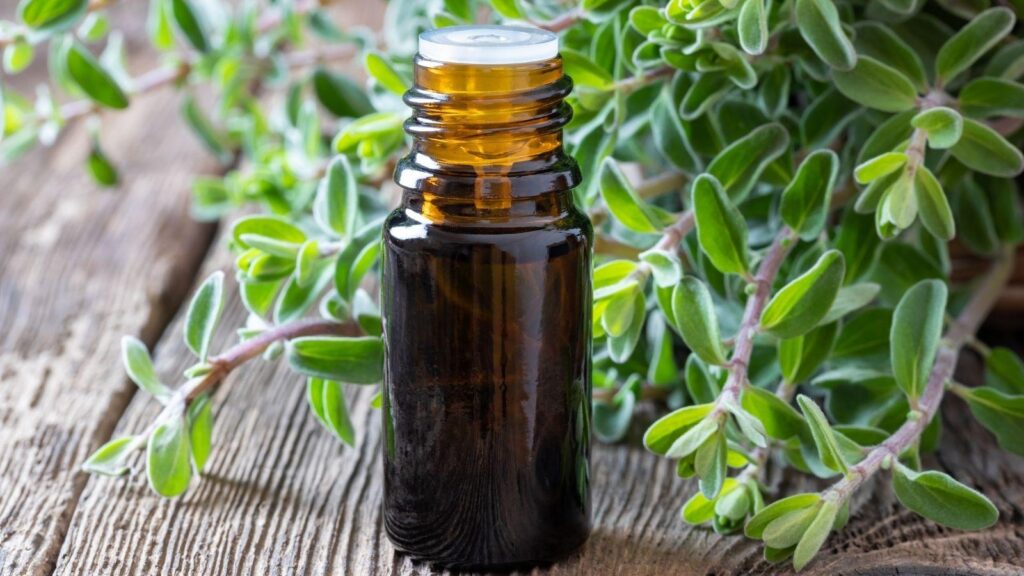
What is Majorana Oil?
Majorana oil, also known as Origanum majorana or Majorana hortensis, is a highly sought-after essential oil extracted from the leaves and flowers of the majorana plant. This officinal herb has been prized for centuries for its medicinal properties and versatility in aromatherapy.
History and Traditional Use
The use of majorana oil dates back to ancient civilizations, where it was valued for its therapeutic properties. The Greek physician Hippocrates (460-370 BCE) mentioned the use of majorana oil to treat various ailments, including indigestion and skin conditions. In traditional medicine, majorana oil has been used to promote overall health, alleviate stress, and support immune function.
How is Majorana Oil Produced?
Majorana oil is produced through steam distillation of the fresh or dried majorana plant material. The process involves collecting the plant’s leaves and flowers during the flowering period, typically from spring to autumn. Due to the low yield of this essential oil, only a small amount can be extracted from a large quantity of plants.
Properties and Principles Active in Majorana Oil
Majorana oil is rich in terpineol, tannins, rosmarinic acid, resins, and vitamin C, which contribute to its potent antioxidant properties. This versatile essential oil has been widely used in various fields, including:
- Herbalism: For centuries, majorana oil has been employed to promote skin health, alleviate digestive issues, and support immune function.
- Aromatherapy: Majorana oil is used to ease tension, relieve headaches, and provide relief from muscle pain, making it an excellent addition to massage therapy.
- Cosmetics: The antioxidant properties of majorana oil make it a popular ingredient in skincare products, promoting healthy skin and reducing the appearance of fine lines.
Benefits of Using Majorana Oil
Majorana oil offers numerous benefits when used appropriately:
- Soothing skin irritations: Dilute majorana oil with a carrier oil to calm irritated skin, reduce inflammation, and promote healing.
- Easing muscle tension: Add a few drops of majorana oil to your massage oil or blend it with other essential oils for pain relief.
- Relieving digestive issues: Consume majorana oil internally to alleviate symptoms of indigestion, bloating, and other gastrointestinal issues.
Precautions and Safety Precautions
While majorana oil is generally considered safe, use it with caution:
- Internal consumption: Always consult a healthcare professional before ingesting majorana oil or any other essential oil.
- Skin allergies: Perform a patch test on your skin before using majorana oil to avoid any adverse reactions.
Potential Side Effects and Interactions
Majorana oil can cause side effects, especially when used in high concentrations or without proper dilution. Potential side effects include:
- Allergic reactions: Majorana oil may cause allergic reactions in some individuals, such as skin irritation, itching, or redness.
- Digestive issues: Consuming majorana oil internally may lead to digestive issues, such as nausea, vomiting, or stomach cramps.
Interactions with Medications
Majorana oil may interact with certain medications, including:
- Blood thinners: Majorana oil may enhance the effects of blood thinners, increasing the risk of bleeding.
- Diabetes medications: Majorana oil may lower blood sugar levels, increasing the risk of hypoglycemia.
Where to Buy Majorana Oil
Majorana oil can be found in health food stores, online retailers, and specialty shops. When purchasing majorana oil, ensure it is:
- 100% pure: Free from additives and solvents.
- Naturally sourced: Produced using sustainable and eco-friendly methods.
Quality Control and Standards
To ensure the quality of majorana oil, look for products that meet the following standards:
- GC/MS testing: The essential oil should undergo GC/MS (Gas Chromatography/Mass Spectrometry) testing to verify its composition and purity.
- Country of origin: Majorana oil is typically produced in Europe or Asia. Look for products sourced from reputable suppliers.
Additional Resources
For more information on majorana oil and its applications, explore our related articles and resources.
By understanding the properties and benefits of majorana oil, you can harness its power to promote overall health and well-being. Always use essential oils responsibly and follow proper usage guidelines to ensure a safe and enjoyable experience.
Frequently Asked Questions
- What are the potential side effects of using majorana oil?: Majorana oil is generally considered safe, but it can cause skin irritation or allergic reactions in some individuals. Perform a patch test before using majorana oil.
- Can I use majorana oil internally?: Always consult a healthcare professional before ingesting majorana oil or any other essential oil.
- How do I dilute majorana oil for external use?: Dilute majorana oil with a carrier oil (e.g., coconut, olive, or jojoba oil) at a ratio of 1-2% (5-10 drops per 100ml).
- Can I use majorana oil on sensitive skin?: Majorana oil can be too harsh for extremely sensitive skin. Perform a patch test and start with small amounts to assess your skin’s tolerance.
- How do I store majorana oil?: Store majorana oil in a cool, dark place, away from direct sunlight and heat sources.
By understanding the properties and benefits of majorana oil, you can harness its power to promote overall health and well-being. Always use essential oils responsibly and follow proper usage guidelines to ensure a safe and enjoyable experience.


