
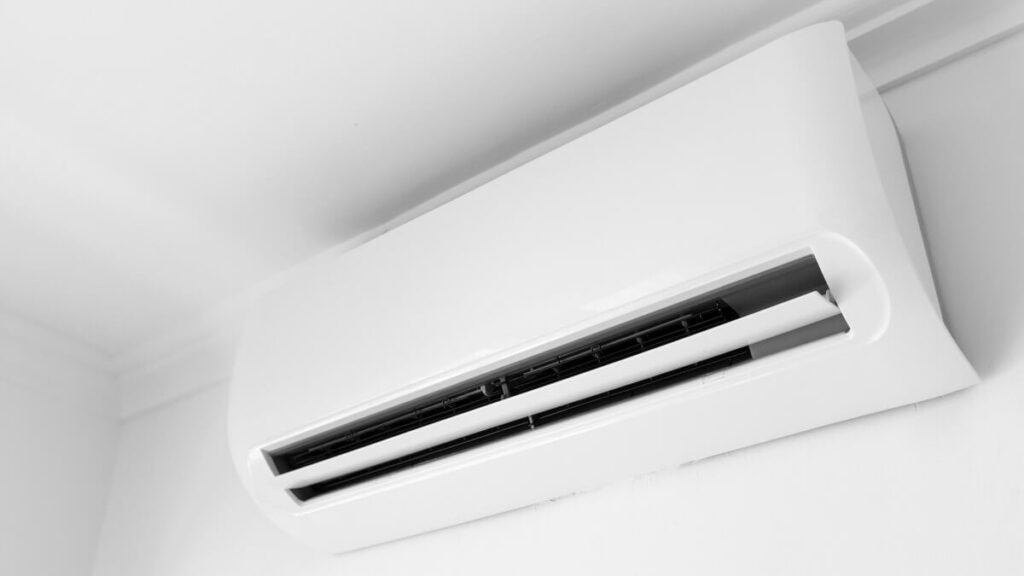
As the summer heat sets in, having a reliable air conditioning system can be a lifesaver. When it comes to choosing between an air conditioner with an outdoor unit and one without, there are pros and cons to consider. In this article, we’ll explore the process of installing both types of systems, including the benefits and challenges associated with each.
Installing an Air Conditioner with an Outdoor Unit
Air conditioners with outdoor units are more efficient at cooling homes in the summer and can even provide some heat in the winter months. Installing one of these systems is relatively straightforward, but it does require some technical expertise.
To install a split air conditioner without an outdoor unit, you’ll need to mount the internal unit on a wall and ensure good airflow around it. This process involves drilling holes in the wall and installing the necessary tubes for airflow. The installation process is simpler than with an outdoor unit, making it more accessible to DIY enthusiasts.
On the other hand, installing an air conditioner with an outdoor unit requires more complex plumbing and electrical work. You’ll need to connect the internal unit to the outdoor unit using copper pipes and electrical wiring. This process can be challenging, especially in historic buildings or areas with limited accessibility.
Key Considerations for Installing an Air Conditioner with an Outdoor Unit
Before attempting to install an air conditioner with an outdoor unit, consider the following factors:
- Distance between units: The farther apart the internal and outdoor units are, the longer the pipes need to be. This increases the complexity of the installation.
- Access limitations: Areas with limited accessibility, such as historic buildings or areas with narrow corridors, may make it difficult to install an air conditioner with an outdoor unit.
- Technical expertise: Installing an air conditioner with an outdoor unit requires specialized knowledge and skills.
Benefits of Installing an Air Conditioner with an Outdoor Unit
Installing an air conditioner with an outdoor unit offers several benefits, including:
- Increased efficiency: Air conditioners with outdoor units are more efficient at cooling homes in the summer and can even provide some heat in the winter months.
- Improved indoor air quality: These systems often come equipped with air filters that improve indoor air quality by removing dust, pollen, and other airborne pollutants.
- Enhanced climate control: Air conditioners with outdoor units can be used to regulate temperature and humidity levels in homes, making them ideal for areas with extreme climates.
Challenges of Installing an Air Conditioner with an Outdoor Unit
However, installing an air conditioner with an outdoor unit also comes with some challenges, including:
- Higher upfront costs: These systems are generally more expensive than split air conditioners without outdoor units.
- Increased complexity: The installation process is more complex and requires specialized knowledge and skills.
- Limited accessibility: Areas with limited accessibility may make it difficult to install an air conditioner with an outdoor unit.
Installing a Split Air Conditioner without an Outdoor Unit
Installing a split air conditioner without an outdoor unit is a relatively simple process that can be accomplished with basic DIY tools. Here’s a step-by-step guide:
- Determine the ideal installation location for the internal unit.
- Drill holes in the wall to accommodate the tubes and electrical wiring.
- Install the necessary tubes for airflow and connect them to the internal unit.
- Mount the internal unit on the wall and secure it using screws or brackets.
- Connect the internal unit to the outdoor unit using copper pipes and electrical wiring.
Key Considerations for Installing a Split Air Conditioner without an Outdoor Unit
Before attempting to install a split air conditioner without an outdoor unit, consider the following factors:
- Access limitations: Areas with limited accessibility may make it difficult to install the internal unit.
- Ventilation requirements: Ensure good airflow around the internal unit to prevent overheating and improve efficiency.
Benefits of Installing a Split Air Conditioner without an Outdoor Unit
Installing a split air conditioner without an outdoor unit offers several benefits, including:
- Lower upfront costs: These systems are generally less expensive than air conditioners with outdoor units.
- Simplified installation process: The installation process is simpler and requires fewer specialized tools and skills.
- Improved accessibility: Areas with limited accessibility can be used for installing a split air conditioner without an outdoor unit.
Challenges of Installing a Split Air Conditioner without an Outdoor Unit
However, installing a split air conditioner without an outdoor unit also comes with some challenges, including:
- Limited cooling capacity: These systems are generally less effective at cooling homes in the summer and may not provide sufficient heat in the winter months.
- Increased noise levels: The internal unit can generate more noise than an air conditioner with an outdoor unit due to its smaller size.
- Reduced indoor air quality: Split air conditioners without outdoor units may not come equipped with air filters, which can negatively impact indoor air quality.
Conclusion
Installing an air conditioner can be a straightforward process if you choose the right type of system for your needs. Whether you opt for an air conditioner with an outdoor unit or one without, it’s essential to consider factors such as distance between units, access limitations, and technical expertise before proceeding with the installation.
Here are some frequently asked questions about installing an air conditioner:
- What is the best type of air conditioner for my home?
- How do I determine the ideal installation location for the internal unit?
- What materials should I use for the pipes and electrical wiring?
- Can I install an air conditioner without an outdoor unit if I have limited accessibility?
- What are some common mistakes to avoid when installing an air conditioner?
By understanding these factors and considering your specific needs, you can make an informed decision about which type of air conditioner is best for you.
Frequently Asked Questions
- What is the best type of air conditioner for my home?
The best type of air conditioner for your home depends on several factors such as the size of your space, climate, and personal preferences. Air conditioners with outdoor units are more efficient at cooling homes in the summer and can even provide some heat in the winter months. - How do I determine the ideal installation location for the internal unit?
The ideal installation location for the internal unit should be near a source of power, have good airflow around it, and be easily accessible for maintenance. - What materials should I use for the pipes and electrical wiring?
Copper pipes and electrical wiring are the best materials to use for connecting the internal and outdoor units due to their durability and resistance to corrosion. - Can I install an air conditioner without an outdoor unit if I have limited accessibility?
Installing a split air conditioner without an outdoor unit can be more accessible than installing one with an outdoor unit, especially in areas with limited accessibility. However, it still requires careful planning and execution to ensure proper installation and functionality. - What are some common mistakes to avoid when installing an air conditioner?
Common mistakes to avoid when installing an air conditioner include failing to follow manufacturer instructions, not ensuring proper ventilation around the internal unit, and using inferior materials for pipes and electrical wiring.
By understanding these factors and considering your specific needs, you can make an informed decision about which type of air conditioner is best for you.


