
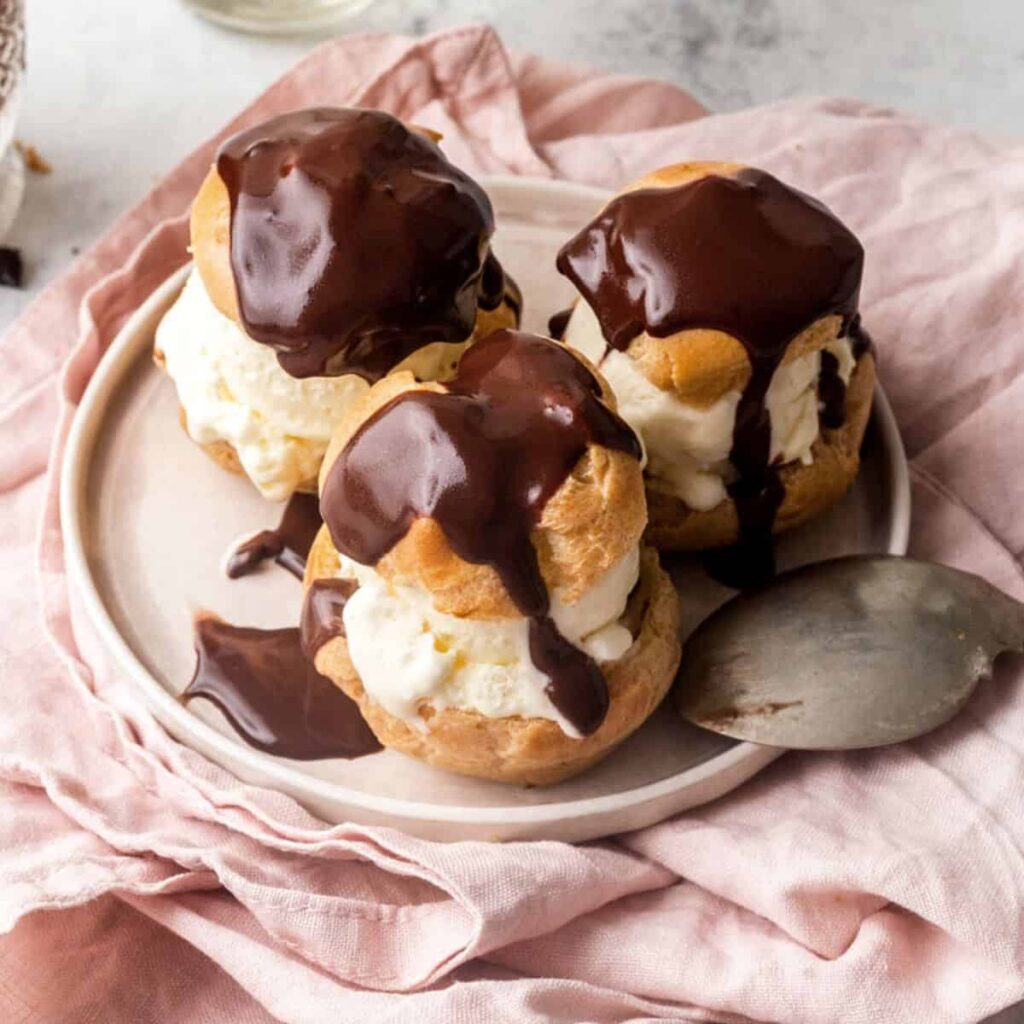
In the world of Italian desserts, there’s one classic treat that stands out from the rest: profiteroles. These small, bite-sized cakes are filled with a variety of creamy fillings and topped with a sweet glassa. In this article, we’ll explore the art of making glassa for profiteroles, from its rich history to the different flavors and techniques involved.
What is Glassa?
Glassa is a traditional Italian topping made from sugar, water, and flavorings such as chocolate or lemon zest. It’s essential to creating the perfect profiterole. The glassa serves two purposes: it adds an extra layer of flavor and texture to the cake, while also providing a sweet and indulgent contrast to the creamy filling.
A Brief History of Profiteroles
The origins of profiteroles are shrouded in mystery, but one thing is certain: they’ve been a beloved Italian dessert for centuries. Some sources attribute their creation to the court of Caterina de’ Medici, while others claim they originated in France. Regardless of their true roots, profiteroles have become an integral part of Italian patisserie.
Types of Glassa
When it comes to glassa, there are several options to choose from. Here are a few:
- Chocolate Glassa: Made with dark chocolate and sugar, this glassa is the classic choice for profiteroles.
- Lemon Glassa: Brightened up with lemon zest and juice, this glassa adds a refreshing twist to the traditional profiterole.
- Caramel Glassa: For those who prefer a more indulgent treat, caramel glassa is the perfect option.
Preparing Glassa
Preparing glassa is an art that requires patience and attention to detail. Here’s a step-by-step guide to making chocolate glassa for profiteroles:
- Combine Ingredients: In a saucepan, combine 500ml of milk, 50g of dark chocolate, 30g of flour, and 120g of sugar.
- Heat the Mixture: Heat the mixture over low heat, stirring constantly until it thickens.
- Add Chocolate: Add 70g of chopped dark chocolate to the mixture and stir until melted.
- Cool the Glassa: Allow the glassa to cool before using.
Tips for Decorating Profiteroles
When it comes to decorating profiteroles, there are several options to choose from:
- Whipped Cream: Top your profiterole with a dollop of whipped cream for an extra-special treat.
- Fresh Fruit: Add some fresh fruit such as strawberries or blueberries to create a colorful and delicious dessert.
Frequently Asked Questions
Here are some frequently asked questions about glassa for profiteroles:
- What is the best type of chocolate to use for glassa?
- Dark chocolate is the most popular choice for glassa, but you can also experiment with milk or white chocolate.
- How do I make lemon glassa?
- To make lemon glassa, combine equal parts sugar and water in a saucepan. Add lemon zest and juice to taste. Bring to a boil and cook until the mixture thickens.
- What is the difference between profiterole and profitterol?
- The name of this dessert has been debated for years. While some claim it’s a French invention, others argue that it originated in Italy. Regardless of its true roots, both names refer to the same delicious treat.
Glassa Variations
There are many variations of glassa that can be used with profiteroles. Here are a few ideas:
- Caramel Pecan Glassa: Add 70g of chopped pecans and 20g of caramel syrup to your glassa for a rich and indulgent twist.
- Lemon Lavender Glassa: Infuse your lemon glassa with the subtle flavor of lavender by adding 1g of dried lavender buds to the mixture.
- Chocolate Mint Glassa: Add 70g of chopped dark chocolate and 20g of peppermint extract to create a refreshing twist on the classic chocolate glassa.
Tips for Working with Glassa
When it comes to working with glassa, there are several tips to keep in mind:
- Use High-Quality Ingredients: The quality of your glassa will directly impact the flavor and texture of your profiteroles.
- Don’t Overheat: Be careful not to overheat your glassa, as this can cause it to become too thick or even burnt.
- Experiment with Flavors: Don’t be afraid to experiment with different flavors and combinations when making glassa for profiteroles.
Conclusion
Making glassa for profiteroles is an art that requires patience, attention to detail, and a willingness to experiment. With these tips and tricks, you’re ready to create your own delicious profiteroles at home. Whether you prefer classic chocolate or refreshing lemon, there’s no denying the magic of this traditional Italian dessert.


