
When it comes to adding beauty and fragrance to your garden, few options are as attractive as climbing vines with flowers. These plants can thrive on walls, trellises, and other supports, producing vibrant blooms in a variety of colors. In this article, we’ll explore some of the most popular types of climbing vines with fragrant flowers, including classic varieties like marigold and false jasmine.
Classic Vines with Fragrant Flowers: A Timeless Choice
For gardeners looking for a tried-and-true option, consider the Marigold Vine (Jasminum polyanthum). This species boasts dark green, lance-shaped leaves and produces small white, fragrant flowers in early spring that last until late summer. However, it’s essential to note that Marigold Vines don’t tolerate cold temperatures.
If you’re interested in a similar variety with slightly different characteristics, consider the False Jasmine Vine (Trachelospermum jasminoides). This evergreen perennial vine blooms in late spring and shares similarities with the Marigold Vine. For more information on how to cultivate this flowering vine, please refer to our page: “False Jasmine Vine, Cultivation and Care”.
Vines with Colorful Flowers: Adding a Pop of Color
Another popular option is the Ornamental Vine (Schizophragma hydrangeoides). This species features large oval-shaped leaves with a toothed margin and metallic sheen. Its blooming period is in summer, producing white-cream or pale lilac flowers that are slightly fragrant.
What makes this vine so unique? For starters, it can tolerate heat and cold well, making it suitable for cultivation even in Northern Italy. But what about shaded areas? Don’t worry – Ornamental Vines can thrive in those conditions too! For more information on how to cultivate this flowering vine, please refer to our page: “Ornamental Vine”.
Bougainvillea: The Tropical Queen
The Bougainvillea is a classic tropical plant that thrives in warm climates. It’s perfect for growing as a climber on walls in full sun. But what makes it so special? Its purple bracts (flower-like structures) are often mistaken for true flowers, and there are various varieties with white, pink, or red blooms.
However, some Bougainvillea varieties can be a bit finicky. If you’re looking for advice on how to cultivate this flowering vine and see pictures, please refer to our page: “Bougainvillea That Doesn’t Bloom”.
Bigonia: A Vibrant Addition
The Bigonia (Campsis spp.) is another popular option, featuring trumpet-shaped flowers in shades of red or orange. Its leaves are not evergreen, turning yellow in autumn before falling off.
But don’t worry – there’s more to this vine than just its stunning blooms! For more information on how to cultivate this flowering vine and see pictures, please refer to our page: “Bigonia”.
Glicine (Glycine spp.): A Fragrant Favorite
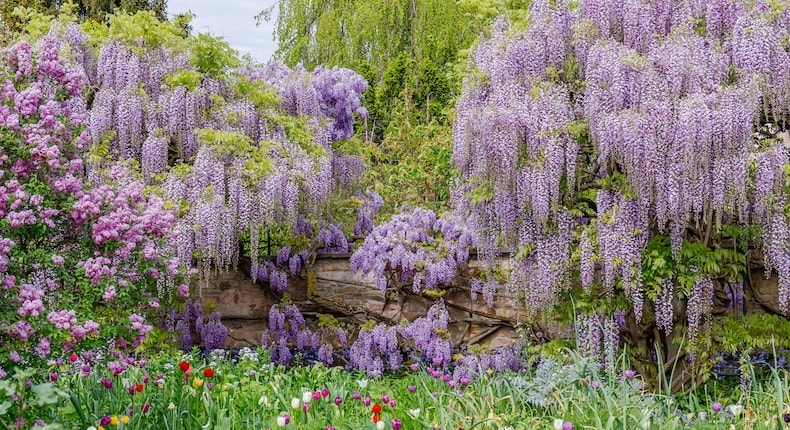
The Glicine is another plant that can be grown as a climber. Its fragrant purple or lilac flowers bloom in summer, making it an excellent choice for gardeners looking for a unique addition.
Did you know there are three main species cultivated in Italy? While they share similar requirements, each has different pruning needs (for more information, please refer to our page: “When to Prune the Glicine”).
For more information on how to cultivate this flowering vine and see pictures, please refer to our guide: “How to Grow Glycine”.
Other Climbing Plants: A Diverse Selection
While the above options are certainly popular, there are many other climbing plants worth exploring. Here’s a brief list of some notable varieties:
- American Grapevine (Parthenocissus tricuspidata): This species features palmate leaves with three points and can be planted in the winter, allowing sunlight to reach the soil.
- Goldheart Hedera helix: This eudicot vine boasts variegated large leaves and can thrive in shaded areas.
- Gloire de Marengo Hedera canariensis: This small-leaved vine features variegated leaves and can be grown as an ornamental plant.
- Ficus climbing (Ficus repens): This species produces small fruit, but that’s not the main attraction!
For more information on climbing vines, please refer to our page: “Climbing Plants”.
Monoic and Dioic Vines: Unraveling the Mystery
Finally, let’s explore a fascinating topic in botany: monoiche (one-celled) and dioic plants. Can you distinguish between these two types of plants? The answer lies in their flower structure – but it requires some knowledge of botanical terms.
In conclusion, climbing vines with flowers offer a wide range of options for gardeners looking to add beauty and fragrance to their outdoor spaces. From classic varieties like marigold and false jasmine to more exotic options like Bougainvillea and Bigonia, there’s something for everyone.
Frequently Asked Questions
Q: What are the best climbing vines with fragrant flowers?
A: Some popular options include Marigold Vine (Jasminum polyanthum), False Jasmine Vine (Trachelospermum jasminoides), and Bougainvillea glabra.
Q: Can Ornamental Vines thrive in shaded areas?
A: Yes, they can! While they prefer full sun, they can also tolerate partial shade.
Q: What makes Bigonia so unique?
A: Its trumpet-shaped flowers in shades of red or orange make it a standout choice for gardeners looking for a vibrant addition.
Q: How often should I prune my Glicine (Glycine spp.)?
A: Pruning needs vary depending on the species – be sure to check our page “When to Prune the Glicine” for more information.
Q: What are monoiche and dioic plants?
A: Monoiche plants have one-celled flowers, while dioic plants have separate male and female flowers. Understanding these terms can help you distinguish between different plant species.
Q: Can I grow Ficus climbing (Ficus repens) indoors?
A: While it’s technically possible, Ficus climbing is typically grown outdoors in warm climates.
Q: How do I care for my Bougainvillea?
A: To keep your Bougainvillea thriving, make sure to provide it with full sun and well-draining soil. You can also refer to our page “Bougainvillea That Doesn’t Bloom” for more tips!
Q: Are Ornamental Vines suitable for hanging baskets?
A: Yes! They’re perfect for adding a pop of color to your outdoor space.
Q: Can I grow Bigonia in containers?
A: While it’s possible, Bigonia typically requires more space than other climbing vines. Be sure to check our page “Bigonia” for more information on how to cultivate this flowering vine in containers.
Q: What is the best way to propagate Glicine (Glycine spp.)?
A: You can propagate Glicine by dividing established roots or using stem cuttings – be sure to check our guide “How to Grow Glycine” for more detailed instructions!
By understanding the characteristics and growing requirements of these climbing vines with flowers, you’ll be able to create a stunning display in your garden. Whether you’re looking for classic varieties like marigold or something more exotic like Bigonia, there’s sure to be a climbing vine that suits your taste and needs.
Choosing the Right Climbing Vine
When selecting a climbing vine, consider factors such as:
- Climate: Make sure the vine can tolerate the temperature range in your area.
- Lighting: Consider the amount of sunlight the vine will receive and choose one that thrives in those conditions.
- Soil type: Different vines have different soil preferences. For example, Bougainvillea prefers well-draining soil, while Bigonia tolerates a wider range of soil types.
- Maintenance: Some climbing vines require more pruning and maintenance than others.
Propagation Techniques
To propagate your chosen climbing vine, try the following techniques:
- Division: Divide established roots to create new plants.
- Stem cuttings: Take stem cuttings from mature plants and root them in a pot or container.
- Layering: Bend a stem down to the ground and secure it with a rock or soil. Roots will form on the buried section of the stem.
Caring for Your Climbing Vine
To keep your climbing vine healthy and thriving, make sure to:
- Provide adequate sunlight and water
- Fertilize regularly
- Prune as needed to maintain shape and promote new growth
By following these tips and choosing the right climbing vine for your needs, you’ll be able to enjoy a beautiful display of color and fragrance in your garden all season long.


