
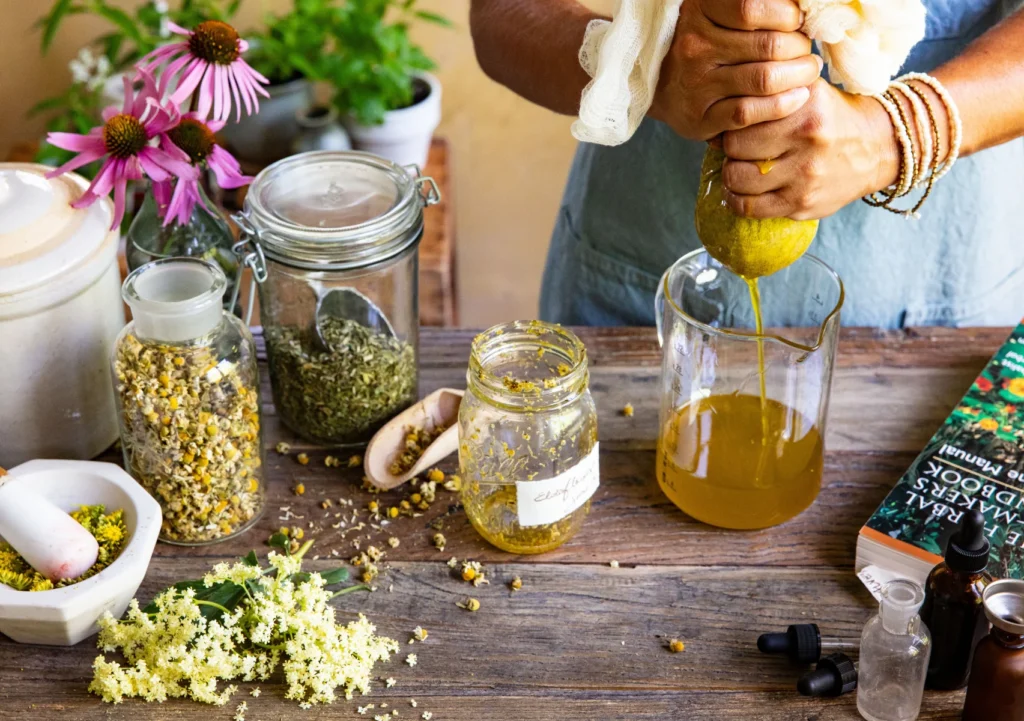
As we navigate the demands of modern life, many of us are seeking ways to improve our well-being and find relaxation. The rise of alternative medicine has led to an increase in demand for herbalists, who offer natural remedies and holistic approaches to health. But what does it take to become an herbalist?
The Rise of Herbalism
We live in a society that is increasingly focused on wellness and self-care. Centres for wellness have proliferated, and professional figures offering alternative treatments are becoming more prominent. The Naturopath has been a pioneer in this field, while today we see the emergence of herbalists.
Herbalism, also known as phytotherapy, is the practice of using plants to prevent or treat various health conditions. This ancient practice has gained popularity in recent years due to its natural and holistic approach to healthcare. Herbalists use plant extracts, herbs, and botanicals to create remedies that can help alleviate symptoms and promote overall well-being.
The Path to Becoming an Herbalist
To become an herbalist, one must undergo formal education at the university level. A degree in Herbal Techniques or a specialist degree in Pharmacy is typically required. These programs offer a comprehensive curriculum that covers biological sciences, chemistry, pharmacy, and technology, as well as biomedical disciplines.
Upon completing their studies, herbalists can prepare medicinal infusions from plants, sell other products from reputable establishments, and even create and market their own unique formulas. With a degree in hand, herbalists can work independently or join established companies that specialize in natural products.
The World of Herbalism
As an herbalist, your role is to develop alternative treatments using natural remedies. This can include creating custom infusions from herbs, as well as offering other natural products like creams and syrups. You may choose to open your own practice or work within a company that produces natural products.
In addition to creating remedies, herbalists also provide education and guidance to clients on the use of herbs and botanicals for health and wellness. This can include conducting workshops, writing articles, or offering consultations.
Starting an Herbalist Business
Opening a herbalist shop requires significant investment, but it can be a rewarding venture. To begin, you’ll need to register with the local commerce office and obtain necessary licenses. This includes registering for VAT, joining the Chamber of Commerce, and listing your business in the official records.
However, not everyone will have the opportunity to open their own practice. For those without formal training or specific certifications, it’s essential to focus on selling pre-made products created by others. In this case, you can only sell packaged goods, and clients cannot request custom infusions.
Franchising: A Path to Success
One viable option is franchising. This method requires a higher initial investment but provides ongoing support during the business launch and management phases. You’ll also receive free advertising and an established brand name.
Franchising can be an excellent way for herbalists to establish themselves in the market while minimizing risks associated with starting a new business. By partnering with an existing brand, you can tap into their expertise and resources, ensuring that your shop is well-established from day one.
The Herbalist Community
As a member of the herbalist community, you can join industry associations like Confcommercio (Federazione Erboristi Italiani) or Unione Nazionale Erboristi (Confesercenti). These organizations represent herbalists’ interests, providing legal and union support for their members.
Industry associations also offer training and networking opportunities, allowing herbalists to connect with others in the field and stay up-to-date on industry developments. By joining these organizations, you can build relationships, learn from experts, and gain access to valuable resources.
Conclusion
Opening a thriving herbalist business requires careful planning, dedication, and a deep understanding of the industry. With the right training and resources, you can create a successful and rewarding career as an herbalist.
By following the steps outlined in this guide, you’ll be well on your way to establishing yourself as a professional herbalist. Remember to stay focused on providing high-quality products and services, while also building strong relationships with clients and colleagues.
FAQs
- What is the typical education required to become an herbalist?
A degree in Herbal Techniques or a specialist degree in Pharmacy is typically required. - Can I start my own herbalist practice without formal training?
While it’s possible, you may be limited to selling pre-made products and cannot offer custom infusions. - What are the benefits of franchising for an herbalist business?
Franchising provides ongoing support during the launch and management phases, as well as free advertising and a recognized brand name. - How do I get started with opening my own herbalist shop?
You’ll need to register with the local commerce office, obtain necessary licenses, and follow local regulations. - What are some common challenges faced by herbalists in the industry?
Challenges may include maintaining quality standards, managing supply chains, and staying up-to-date with changing consumer demands. - How can I ensure my herbalist products meet regulatory requirements?
Always research local laws and regulations regarding herbal remedies, and consult with a legal expert if necessary. - What role do industry associations play in supporting herbalists?
Associations like Confcommercio and Unione Nazionale Erboristi provide advocacy, training, and networking opportunities for their members. - How can I stay competitive in the market as an herbalist?
Keep up-to-date with consumer trends, invest in quality products and packaging, and focus on delivering exceptional customer service.
In addition to these questions, here are some additional tips for aspiring herbalists:
- Stay current with industry developments: Attend workshops, conferences, and online courses to stay up-to-date on the latest research and trends.
- Build strong relationships: Network with other herbalists, healthcare professionals, and suppliers to build a strong network of support and resources.
- Invest in quality products: Source high-quality herbs, botanicals, and equipment to ensure that your products are effective and safe for use.
- Develop a unique niche: Identify a specific area of expertise, such as herbalism for pets or herbalism for children, and specialize in this area to differentiate yourself from other herbalists.
- Consider earning certifications: Consider earning certifications like the Certified Herbalist (CH) or the Licensed Herbalist (LH) to demonstrate your expertise and commitment to the profession.
By following these tips and staying focused on providing high-quality products and services, you can build a successful and rewarding career as an herbalist.


