
Introduction
Marine orcas, also known as killer whales, are a fascinating and formidable species that inhabit our oceans. Despite their fearsome reputation, these intelligent and social mammals have captivated humans for centuries with their unique characteristics and behaviors. In this article, we will delve into the world of marine orcas, exploring their behavior, habitat, diet, and interactions with other animals.
Social Structure
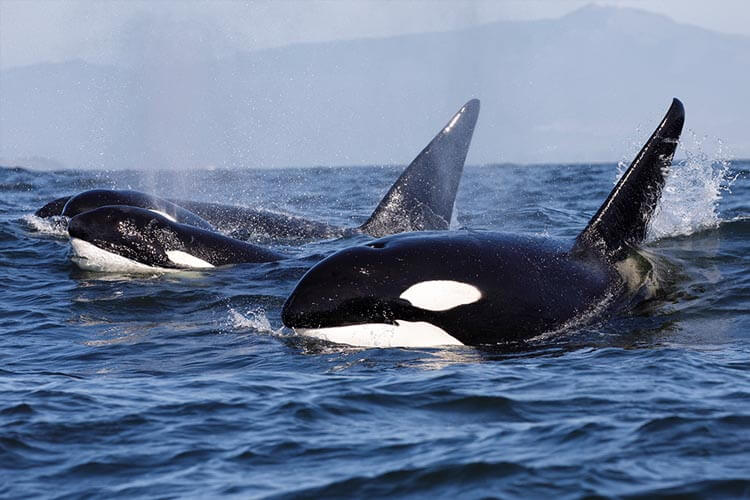
Marine orcas are known for their complex social structures, which consist of groups called pods. These pods can range in size from a few individuals to hundreds of orcas, making them one of the largest social mammals on Earth. Within these pods, orcas communicate using a unique dialect that is distinct from other orca groups.
Each pod has its own distinct identity and social hierarchy, with older and more experienced orcas playing key roles as leaders and teachers. This complex social structure allows marine orcas to work together to hunt, protect their young, and navigate their vast ocean habitats.
Physical Characteristics
Marine orcas are massive animals, with males reaching up to 10 tons in weight and females up to 8 tons. They can grow up to 9-10 meters in length, making them one of the largest predators in the ocean. Despite their size, orcas are incredibly agile and fast swimmers, capable of reaching speeds of up to 55 km/h.
Their sleek and streamlined bodies are designed for speed and maneuverability, with powerful tails that can propel them through the water with incredible force. Adult marine orcas also have distinctive black and white markings, which help them blend in with their surroundings and confuse potential predators.
Behavioral Quirks
Marine orcas have several distinctive behaviors that set them apart from other animals. One of these is breaching, which involves jumping out of the water with their entire body. They also exhibit spyhopping, where they emerge only their heads above the surface of the water to scan for prey. Lobtailing is another behavior, involving a powerful blow to the water’s surface using their tail fins.
Habitat
While marine orcas can be found in oceans worldwide, they tend to favor colder waters, such as those found in the Arctic and Antarctic regions. These areas provide them with an abundance of food and suitable habitats for their social behaviors. The Mediterranean Sea is not a typical habitat for marine orcas, although some individuals have been spotted in the region.
Conservation Status
Marine orcas are facing several threats to their survival, including pollution, overfishing, and climate change. As a result, conservation efforts are underway to protect these magnificent creatures and their habitats. However, despite these efforts, marine orcas remain vulnerable to extinction due to human activities.
The International Union for Conservation of Nature (IUCN) has listed several subspecies of marine orca as endangered, including the Southern Resident Killer Whale population in the Pacific Northwest. Efforts to reduce bycatch and protect marine habitats are also underway to help mitigate these threats.
Marine Orcas in the Mediterranean
While rare sightings of marine orcas have been reported in the Mediterranean, it is not a typical habitat for this species. The Mediterranean Sea provides a unique environment that is home to other marine mammals, such as bottlenose dolphins and pilot whales.
However, some researchers have suggested that the presence of marine orcas in the Mediterranean may be more common than previously thought, particularly in areas with high levels of pollution and human activity. Further research is needed to fully understand the role of marine orcas in the Mediterranean ecosystem.
Attacking Prey
Marine orcas are apex predators that feed on a wide variety of prey, including fish, squid, seals, sea lions, and even other cetaceans. They have been observed attacking and killing animals in the wild, earning them their reputation as “killer whales.” However, it’s worth noting that these attacks are not typically targeted at humans.
Marine orcas use a range of hunting strategies, including stalking, ambushing, and cornering their prey. They have also been known to work together with other marine mammals, such as dolphins and seals, to hunt and kill larger animals.
Marine Orcas in Italy
While rare sightings of marine orcas have been reported along the Italian coast, there is no established population of this species in the Mediterranean. Other marine mammals, such as bottlenose dolphins and fin whales, can be found in Italian waters.
However, some researchers have suggested that it may be possible to establish a breeding program for marine orcas in Italy, using existing research facilities and expertise. Further study is needed to determine whether this could be a viable option for conservation efforts.
Conclusion
Marine orcas are fascinating creatures that continue to captivate humans with their intelligence, social complexity, and formidable hunting abilities. While they face several threats to their survival, conservation efforts are underway to protect these magnificent animals and their habitats.
As we learn more about marine orcas, we are reminded of the importance of preserving our oceans for future generations. By supporting conservation efforts and promoting sustainable practices, we can help ensure the long-term health and well-being of these incredible creatures.
Frequently Asked Questions
- Q: Are marine orcas endangered?
A: Marine orcas are not currently considered an endangered species, but they do face several threats to their survival, including pollution, overfishing, and climate change. - Q: What do marine orcas eat?
A: Marine orcas feed on a wide variety of prey, including fish, squid, seals, sea lions, and even other cetaceans. - Q: How fast can marine orcas swim?
A: Marine orcas are incredibly fast swimmers, capable of reaching speeds of up to 55 km/h. - Q: Can marine orcas attack humans?
A: While marine orcas have been known to attack and kill animals in the wild, there is no established record of them attacking humans. - Q: Where can I see marine orcas?
A: Marine orcas can be found in oceans worldwide, but they tend to favor colder waters, such as those found in the Arctic and Antarctic regions. - Q: Are marine orcas intelligent animals?
A: Yes, marine orcas are highly intelligent animals that have been observed exhibiting complex social behaviors and problem-solving abilities. - Q: How long do marine orcas live?
A: The lifespan of marine orcas is not well established, but it’s believed to be around 50-60 years in the wild. - Q: Can I support marine orca conservation efforts?
A: Yes, there are several organizations dedicated to protecting marine orcas and their habitats, including the World Wildlife Fund (WWF) and the Ocean Conservancy.
Additional Resources
- National Oceanic and Atmospheric Administration (NOAA)
- International Union for Conservation of Nature (IUCN)
- Marine Mammal Institute
- World Wildlife Fund (WWF)
By supporting conservation efforts and promoting sustainable practices, we can help ensure the long-term health and well-being of marine orcas and their habitats.


