
As a homeowner or gardener, protecting yourself and your property from mosquitoes can be a daunting task. With the threat of new invasive species lurking around every corner, it’s essential to take proactive measures to prevent infestations in your home and garden.
Understanding the Different Types of Mosquitoes in Italy
There are several types of mosquitoes found in Italy, each with its unique characteristics:
- Culex pipiens: Also known as the common mosquito, this species is known for breeding in standing water.
- Aedes albopictus: Commonly referred to as the tiger mosquito, this species has been present in Italy since the 1990s and is known for its aggressive behavior.
- Aedes koreicus: This Asian mosquito was first detected in Italy in the early 2000s and has since spread throughout the country.
- Aedes japonicus: First spotted in Italy in 2015, this species is also an invasive species from Asia.
The Importance of Preventing Mosquito Breeding Sites
Preventing mosquitoes from breeding can be a crucial step in eliminating infestations. This includes:
- Checking for standing water around the home and garden
- Removing any potential breeding sites, such as flowerpots, bird baths, and clogged drains
- Eliminating sources of food and shelter for mosquito larvae
Strategies for Preventing Mosquito Infestations
Preventing mosquito infestations requires a multi-faceted approach that includes:
- Identifying potential breeding sites: Check your home and garden regularly for signs of standing water or areas where mosquitoes may be laying eggs.
- Removing debris and clutter: Keep your home and garden free from debris, leaves, and other items that can provide shelter for mosquito larvae.
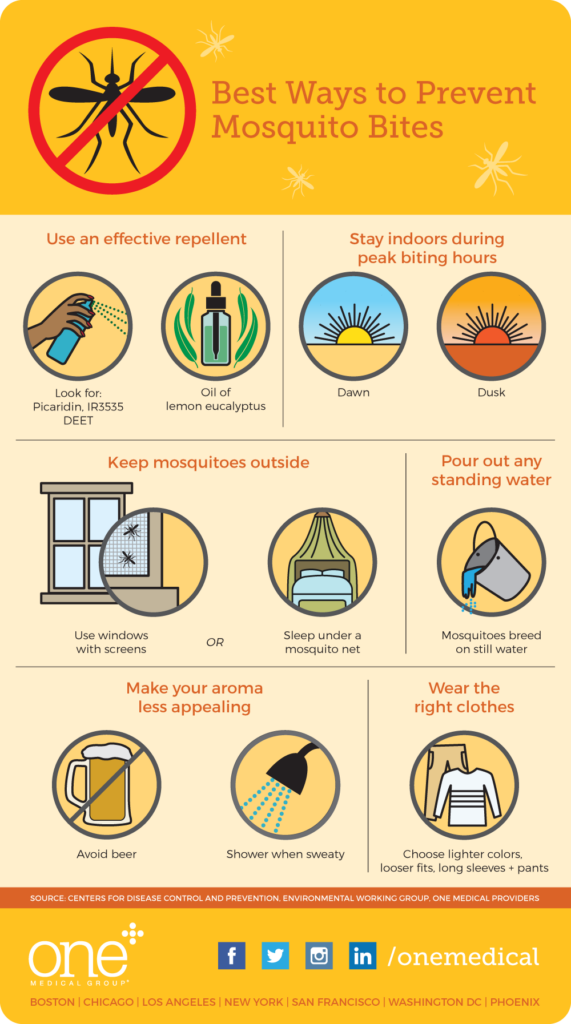
- Using mosquito repellents: There are several types of mosquito repellents available, including DEET-based products and picaridin-based sprays.
- Eliminating standing water: Remove any sources of standing water around your home and garden, such as pet water dishes and flowerpots.
Creating a Mosquito-Free Environment
To create an environment that is less conducive to mosquito infestations, consider the following tips:
- Use mosquito traps or other devices to capture adult mosquitoes
- Plant mosquito-repellent plants, such as citronella or lemongrass, in your garden
- Install a screen on windows and doors to prevent mosquitoes from entering your home
Eliminating Mosquito Populations
If you already have an infestation of mosquitoes, it may be necessary to take more drastic measures. This can include:
- Using insecticides: There are several types of insecticides available for use against mosquitoes, including pyrethrin-based products and permethrin-treated clothing.
- Creating a mosquito-free zone: Use mosquito traps or other devices to capture adult mosquitoes, and consider installing a screen on windows and doors to prevent re-infestation.
Conclusion
Protecting yourself and your property from mosquitoes requires a proactive approach that includes identifying potential breeding sites, removing debris and clutter, using mosquito repellents, and eliminating standing water. By creating an environment that is less conducive to mosquito infestations, you can help reduce the risk of mosquito-borne illnesses.
Additional Tips for Homeowners
If you’re a homeowner, there are several additional steps you can take to protect your home from mosquitoes:
- Install window screens and door screens to prevent mosquitoes from entering your home
- Use outdoor lighting that is not attractive to mosquitoes, as they are often drawn to bright lights
- Keep your yard free from standing water and debris, which can provide shelter for mosquito larvae
Additional Tips for Gardeners
If you’re a gardener, there are several additional steps you can take to protect your garden from mosquitoes:
- Plant mosquito-repellent plants, such as citronella or lemongrass, in your garden
- Use mosquito traps or other devices to capture adult mosquitoes
- Eliminate sources of standing water and debris in your garden, which can provide shelter for mosquito larvae.
Conclusion
Mosquitoes are a serious threat to public health, and it’s essential to take proactive measures to prevent infestations. By understanding the different types of mosquitoes found in Italy, preventing breeding sites, using mosquito repellents, and eliminating standing water, you can help reduce the risk of mosquito-borne illnesses.
Conclusion
Protecting yourself and your property from mosquitoes requires a proactive approach that includes identifying potential breeding sites, removing debris and clutter, using mosquito repellents, and eliminating standing water. By creating an environment that is less conducive to mosquito infestations, you can help reduce the risk of mosquito-borne illnesses.


