
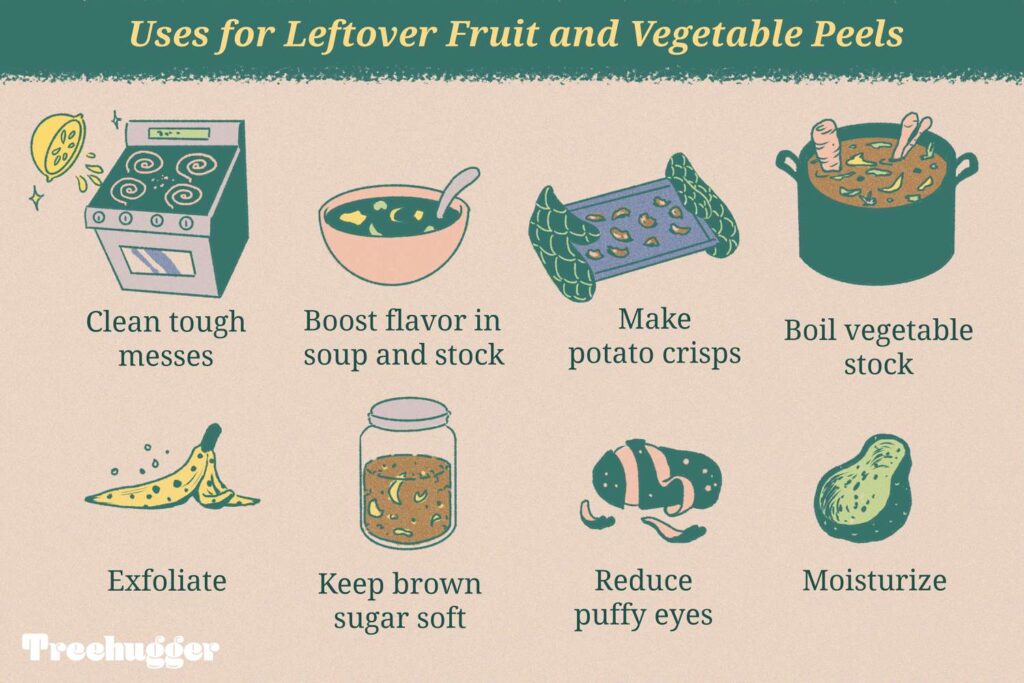
As we explore the many uses of fruit and vegetable peels, we’re reminded that even the most discarded parts can become a valuable resource. From natural remedies for healthy skin to creative applications in cooking, the possibilities are endless.
Why Recycle Fruit and Vegetable Peels?
The practice of recycling fruit and vegetable peels is more popular than you might think. Many people use the scraps as ingredients in their favorite recipes or to create unique kitchen accessories. With a little creativity, you can breathe new life into these often-overlooked parts.
One of the most common ways to recycle fruit and vegetable peels is through culinary applications. Using citrus zest, for example, can add depth and complexity to your cooking. Try making a refreshing orange-infused water or experimenting with different combinations of zests in your baked goods. Other popular recipes include mandarin marmalade, lemon curd, and carrot-ginger chutney.
But the benefits of recycling fruit and vegetable peels go beyond the kitchen. By using these scraps, you can reduce waste and minimize your environmental impact. And with a little ingenuity, you can even use them for non-culinary purposes, like cleaning and skincare.
Gastronomic Delights
Before we dive into the many uses of fruit and vegetable peels, let’s explore some popular gastronomic applications.
- Liqueurs: Using citrus zest to make liqueurs is a classic technique. Orange-vanilla or lemon-ginger liqueurs are just two examples of the many delicious flavors you can create.
- Infused oils: Adding fruit and vegetable peels to your favorite cooking oil can give it a unique flavor profile. Try using apple peel in a sweet potato and apple soup for a delicious twist on a classic dish.
- Jams and preserves: Fruit and vegetable peels can add natural sweetness and depth to your homemade jams and preserves.
Non-Culinary Uses
But the uses of fruit and vegetable peels don’t stop at cooking. Here are some creative ways to repurpose these scraps:
- Cleaning products: Using citrus zest or lemon peel in homemade cleaning solutions can leave your home smelling fresh and clean.
- Skincare: The antioxidants and vitamins found in fruit and vegetable peels make them a great addition to your skincare routine. Try using apple peel to reduce puffiness around the eyes or using carrot peel as an exfoliant.
Scraping Away Waste
Recycling fruit and vegetable peels is not only good for the environment, but it can also help reduce food waste in your home. By using these scraps in creative ways, you can minimize the amount of waste that ends up in landfills and reduce your carbon footprint.
So next time you’re about to toss those pesky fruit and vegetable peels, think twice. With a little creativity, you can turn them into something truly special.
Tips for Recycling Fruit and Vegetable Peels
- Store scraps properly: Keep your fruit and vegetable peels in an airtight container or bag to prevent spoilage.
- Freeze for later use: If you won’t be using your fruit and vegetable peels right away, consider freezing them for future recipes.
- Use a variety of peels: Experiment with different types of fruit and vegetable peels to discover new flavors and textures.
Conclusion
Recycling fruit and vegetable peels is an easy way to make a positive impact on the environment while also reducing food waste in your home. Whether you use them for cooking, cleaning, or skincare, these scraps have endless possibilities. By embracing this simple yet effective practice, you can join the movement towards a more sustainable future.
Advanced Techniques
For those looking to take their fruit and vegetable peel recycling game to the next level, here are some advanced techniques to try:
- Peel-based ice cubes: Use citrus peels to make flavorful ice cubes that can be added to drinks or used as a garnish.
- Dehydrated peels: Dehydrate your fruit and vegetable peels to create crispy, nutritious snacks.
- Compost tea: Use fruit and vegetable peels to make a nutrient-rich compost tea that can be used to fertilize your plants.
Common Challenges
While recycling fruit and vegetable peels is generally easy, there are some common challenges to be aware of:
- Pests and mold: Keep an eye out for pests like ants or rodents that may be attracted to your scraps. Regularly clean and sanitize your storage containers to prevent mold growth.
- Flavor variations: Be prepared for flavor variations depending on the type of fruit or vegetable peel you’re using. Experiment with different combinations to find the perfect balance.
Conclusion
Recycling fruit and vegetable peels is a simple yet effective way to reduce waste, minimize environmental impact, and create delicious new flavors and textures. By embracing this practice and experimenting with different techniques, you can join the movement towards a more sustainable future.


