
Calculating body weight is an essential aspect of maintaining a healthy lifestyle. In this article, we will delve into the various methods and tools available for calculating body weight, as well as provide guidance on how to interpret the results.
Understanding the Concept of Body Weight
Body weight refers to the amount of mass in the human body, typically measured in kilograms or pounds. However, it is essential to note that body weight is not always an accurate representation of overall health. Other factors such as muscle mass, bone density, and body fat percentage also play a crucial role in determining health.
Calculating Body Weight: Tools and Formulas
There are several tools and formulas available for calculating body weight, including:
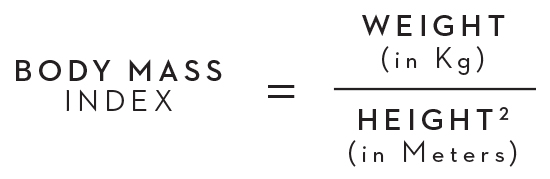
- BMI (Body Mass Index): BMI is a widely used measurement that calculates body weight by dividing it by height squared. The result is then categorized into different ranges to determine if an individual is underweight, normal weight, overweight, or obese.
- Waist Circumference: Waist circumference measures the circumference of the abdomen, which can indicate increased risk of health problems such as diabetes and cardiovascular disease.
- Body Fat Percentage: Body fat percentage measures the amount of body fat compared to lean body mass.
Calculating BMI
To calculate BMI, you can use the following formula:
BMI = weight (kg) / height (m)²
For example, if your weight is 60 kg and your height is 1.71 m, your BMI would be:
BMI = 60 kg / (1.71 m)² = 20.54
Interpreting BMI Results
According to the World Health Organization, the following BMI ranges are generally accepted as follows:
- Underweight: BMI < 18.5
- Normal weight: BMI = 18.5-24.9
- Overweight: BMI = 25-29.9
- Obese: BMI ≥ 30
Calculating Waist Circumference
To calculate waist circumference, you can use the following formula:
Waist circumference (cm) = Measure around narrowest part of abdomen at level of belly button.
For example, if your waist circumference is 80 cm, this indicates an increased risk of health problems such as diabetes and cardiovascular disease.
Calculating Body Fat Percentage
To calculate body fat percentage, you can use a variety of methods, including:
- Hydrostatic Weighing: This method measures the density of body fat by weighing individuals underwater.
- Dual-Energy X-ray Absorptiometry (DXA): This method uses X-rays to measure bone density and body fat percentage.
- Skinfold Measurements: This method involves pinching skin folds at specific points on the body to estimate body fat percentage.
Calculating Body Weight for Children
Calculating body weight for children is a bit more complex than for adults, as it requires taking into account factors such as age, sex, and growth rate. There are various formulas available for calculating BMI in children, including:
- BMI-for-Age Chart: This chart provides a reference range for BMI based on age and sex.
- Waist Circumference Chart: This chart provides a reference range for waist circumference based on age and sex.
Converting Between Units
When converting between units, such as kilograms to pounds or inches to centimeters, it is essential to use the correct conversion factors to ensure accuracy. For example:
1 kg = 2.20462 pounds
1 inch = 2.54 cm
Using BMI for Athletes and Fitness Professionals
BMI can be used by athletes and fitness professionals to track changes in body weight over time. However, it is essential to consider other factors such as muscle mass and overall health when interpreting BMI results.
Interpreting Body Fat Percentage Results
When calculating body fat percentage, it is essential to interpret the results correctly. A general guideline for body fat percentage ranges includes:
- Athletes: 6-13% body fat
- Fitness professionals: 10-15% body fat
- General population: 16-25% body fat
Understanding the Limitations of BMI
BMI has several limitations, including:
- Does not account for muscle mass: BMI does not distinguish between lean body mass and fat mass, which can lead to inaccurate results in athletes or individuals with high muscle mass.
- Does not account for body composition: BMI does not take into account the distribution of body fat around different parts of the body, such as waist circumference.
- Does not account for age-related changes: BMI does not account for age-related changes in body weight and composition.
Using Waist Circumference to Monitor Health Risks
Waist circumference is a useful tool for monitoring health risks associated with excess abdominal fat. A general guideline for waist circumference includes:
- Men: 94 cm (37 inches) or less
- Women: 80 cm (31.5 inches) or less
Conclusion
Calculating body weight is an essential aspect of maintaining a healthy lifestyle. By using the various tools and formulas available, individuals can gain insights into their overall health and make informed decisions about diet, exercise, and other lifestyle choices. Remember to consult with a healthcare professional if you have any concerns about your body weight or overall health.
Frequently Asked Questions
- Q: How accurate is BMI in measuring body fat percentage?
A: BMI is not an accurate measure of body fat percentage, as it does not take into account muscle mass and other factors. - Q: What is the best way to calculate waist circumference?
A: Waist circumference should be measured at the narrowest part of the abdomen, just above the belly button. - Q: How often should I check my body weight?
A: It’s recommended to check your body weight regularly, ideally once a week, to monitor changes in weight and overall health. - Q: Can BMI be used to diagnose obesity in children?
A: No, BMI should not be used alone to diagnose obesity in children, as it does not take into account growth rate and other factors. - Q: What are the best ways to calculate body fat percentage for athletes?
A: There are various methods available for calculating body fat percentage in athletes, including hydrostatic weighing and skinfold measurements. - Q: Can BMI be used to monitor weight loss or gain over time?
A: Yes, BMI can be used to monitor weight loss or gain over time, but it’s essential to consider other factors such as muscle mass and overall health. - Q: How often should I have my body fat percentage measured?
A: It’s recommended to have your body fat percentage measured regularly, ideally every 6-12 months, to monitor changes in body composition. - Q: Can BMI be used to diagnose eating disorders in children?
A: No, BMI should not be used alone to diagnose eating disorders in children, as it does not take into account other factors such as growth rate and overall health.
Additional Resources
For more information on calculating body weight and interpreting results, consider the following resources:
- World Health Organization: The WHO provides guidelines for BMI calculation and interpretation.
- American Heart Association: The AHA provides guidelines for waist circumference measurement and health risks associated with excess abdominal fat.
- National Institutes of Health: The NIH provides information on body composition measurement methods, including hydrostatic weighing and skinfold measurements.
By understanding the concepts and tools discussed in this article, individuals can make informed decisions about their overall health and well-being. Remember to consult with a healthcare professional if you have any concerns about your body weight or overall health.


