
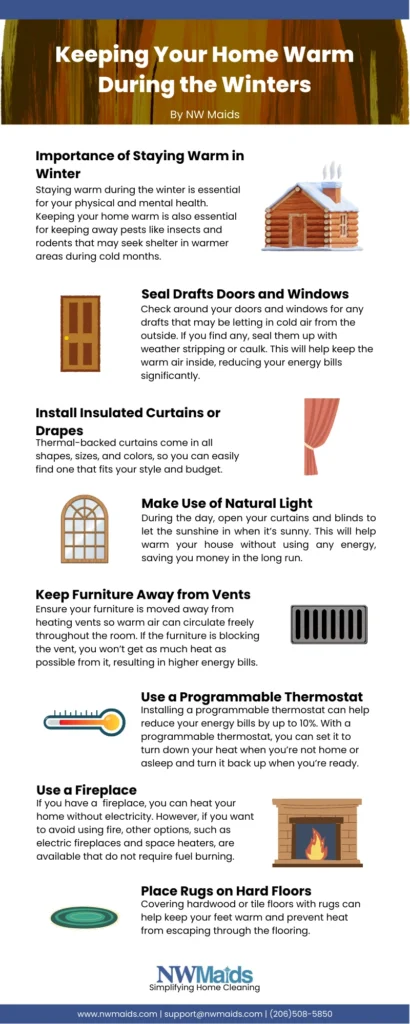
The harsh reality is that over one-third of the heat produced by heating systems is lost almost immediately. The four main areas where heat escapes are walls, floors, windows, and ceilings. Fortunately, there are various methods to warm up your home while saving money on electricity bills.
The Cost of Heating: Why Energy Efficiency Matters
As energy costs continue to rise, the World Health Organization emphasizes that keeping homes warm not only affects our physical comfort but also exacerbates health issues such as arthritis and rheumatism. It’s time to take action against “the artillery” and find ways to keep your home cozy during the cold winter months.
In this article, we will explore various strategies for heating your home in winter while maintaining a high level of efficiency and reducing electricity bills.
The First Step: Insulation
According to the National Energy Foundation, targeted insulation can reduce electricity bills by up to 20%. To achieve this, install thick insulation panels (at least 150mm) with materials such as rock wool, glass fiber, and even recycled paper. These panels can reduce heat loss from walls by two-thirds.
In addition to wall insulation, it is also essential to address ceiling insulation. Installing a high-quality insulating material in your ceiling can help minimize heat loss from this area. The type of material used for ceiling insulation will depend on various factors such as climate, budget, and personal preference.
Optimizing Your Home’s Insulation
After isolating your walls and ceiling, don’t forget to address your windows. An innovative solution involves applying thin films that cover the glass surfaces, providing both summer and winter benefits. These films can be applied to existing windows or installed during window replacement projects.
Another approach is to replace old windows with energy-efficient, double-glazed options. This simple upgrade can significantly reduce heat loss from windows while also improving overall energy efficiency.
Heat Recovery Ventilation (HRV) Systems
Consider installing HRV systems, which can reduce electricity bills by up to 30%. These systems capture 90% of the heat energy from contaminated air expelled by ventilation devices. They are especially beneficial for homes with high levels of indoor humidity or poor air circulation.
In addition to reducing energy costs, HRV systems also help maintain a healthier indoor environment by removing stale air and replacing it with fresh, filtered air. This is particularly important for people with respiratory issues or allergies.
Stoves with Forced Air Ventilation: Efficient and Uniform Heating
Traditional stoves had limitations in heating rooms evenly. However, modern stoves with forced air ventilation have overcome these obstacles. These systems use a fan to circulate warm air from the bottom to the top of the room, ensuring uniform heat distribution throughout the space.
One of the most advanced systems is the Multifuoco System (Piazzetta), which has gained popularity among homeowners in Europe and North America. This system uses a combination of forced air ventilation and high-efficiency combustion technology to provide efficient and comfortable heating.
Quick Fixes: When Insulation Isn’t an Option
When investing in insulation isn’t feasible, focus on addressing infiltration and air leaks. These account for 35% of heat loss from your home. Use adhesive spacers to seal gaps around doors, windows, and other openings.
Don’t overlook potential sources of air leaks, such as:
- Mansard roofs
- Plumbing systems
- Electrical outlets
- Chimneys
Minimize these losses, including those in chimneys, to create a more efficient and cozy home environment. In addition to using sealants and spacers, consider upgrading your insulation with materials like spray foam or fiberglass batts.
Window Treatments: A Simple Way to Reduce Heat Loss
One of the simplest and most effective ways to reduce heat loss from windows is by using window treatments such as curtains, blinds, or shades. These coverings can help keep warm air in while preventing cold air from entering your home.
When choosing window treatments, consider factors such as energy efficiency, durability, and personal style. Some options, like thermal curtains or blackout shades, offer additional benefits like UV protection and noise reduction.
Smart Thermostats: Optimizing Your Heating System
Smart thermostats are becoming increasingly popular among homeowners who want to optimize their heating system for maximum efficiency. These devices can learn your schedule and preferences to automatically adjust the temperature in your home.
In addition to optimizing energy consumption, smart thermostats also offer features like remote access and scheduling capabilities. This allows you to control your thermostat from anywhere, ensuring that your home is always warm when you need it most.
Heating System Maintenance: Keeping Your Home Running Efficiently
Regular maintenance of your heating system can help extend its lifespan while minimizing energy consumption. Here are some tips for keeping your home running efficiently:
- Change your furnace filter regularly to ensure good airflow and minimize dust accumulation.
- Schedule annual tune-ups with a professional HVAC technician to inspect and maintain your system’s components.
- Consider installing a programmable thermostat to automate temperature adjustments and optimize energy usage.
By implementing these strategies, you can create a cozy and efficient home environment that keeps you warm during the winter months while minimizing your energy bills.


