
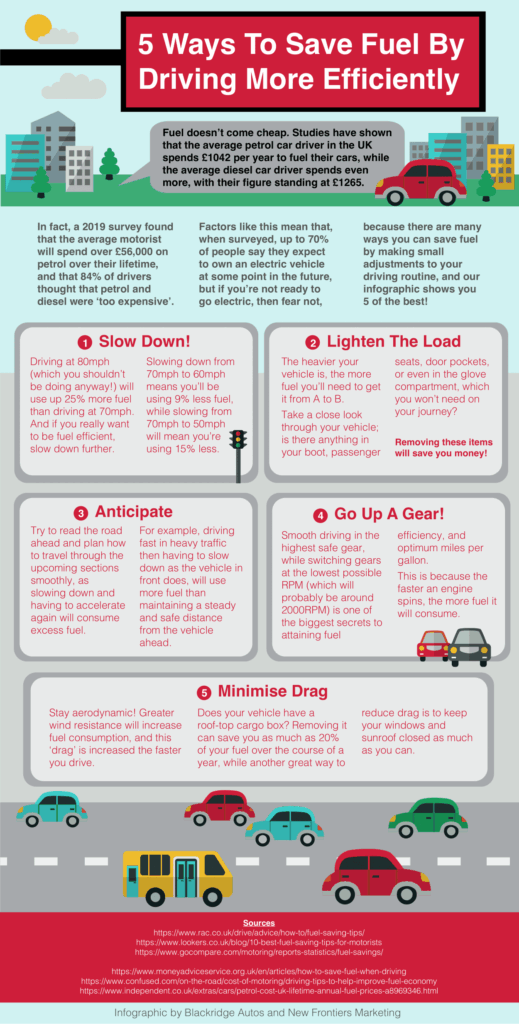
As a family, the cost of owning an automobile can be substantial, and it’s essential to understand how to reduce fuel consumption. Not only does this save money, but it also helps minimize pollution from vehicle exhausts in urban areas.
The car has become an extension of our daily lives, often forgotten until we’re stuck in traffic. In the short distance between two points, the difference in travel time between driving and walking is negligible. Let’s do a quick calculation: if it takes you 10 minutes to reach your destination by car (including parking time), walking might take around 20 minutes. As adults, even with minor mobility issues, incorporating more steps into our daily routine can be beneficial for our overall health. In fact, research suggests that a healthy adult should aim to walk at least 10,000 steps per day.
Reconnecting with the joy of walking is not only good for our physical health but also helps us save fuel. Another eco-friendly transportation option is cycling, which is perfect for urban environments as it eliminates parking concerns and produces zero emissions. According to data from the Club della Città’s Bike Sharing II° Convegno, there are approximately 130 bike-sharing stations in Italy, making cycling a convenient and sustainable choice.
While fuel-efficient vehicles consume less gasoline, the driving style is equally crucial in reducing consumption. The way we drive can significantly impact our fuel economy, often more so than expected. Our speed plays a critical role in this; as velocity increases exponentially with fuel consumption, it’s essential to be mindful of speeds, especially on highways and rural roads.
Respecting speed limits not only ensures road safety but also helps reduce fuel consumption. Aggressive driving habits can lead to wasted fuel, worn-out brakes, tires, and engine parts. To save gas, maintaining a relaxed driving style is key. Avoiding sudden acceleration and braking can significantly improve your fuel economy. Another common mistake is engaging the wrong gear; shifting into higher gears when your engine reaches 2,000 revolutions per minute can help reduce fuel consumption.
By adopting these simple yet effective strategies, you can make a significant impact on reducing fuel consumption and promoting sustainability in urban environments.
Understanding Fuel Efficiency
Factors Affecting Fuel Economy
Several factors contribute to the overall efficiency of your vehicle:
- Vehicle type (fuel-efficient vehicles)
- Driving style
- Speed
The Impact of Driving Style
Aggressive driving habits can lead to wasted fuel, increased wear on brake pads and tires, and reduced engine lifespan. Conversely, maintaining a relaxed driving style can help reduce fuel consumption.
Key Factors in Driving Style
- Acceleration: Sudden acceleration increases fuel consumption.
- Braking: Aggressive braking can cause unnecessary wear on brakes and tires.
- Gear shifting: Shifting into higher gears when your engine reaches 2,000 revolutions per minute can help reduce fuel consumption.
Maximizing Fuel Efficiency
To make the most of your vehicle’s efficiency:
- Maintain a relaxed driving style
- Avoid sudden acceleration and braking
- Shift into higher gears when necessary
- Respect speed limits
By incorporating these strategies into your daily driving routine, you can reduce fuel consumption, promote sustainability, and contribute to a healthier environment.
Conclusion
Optimizing fuel efficiency is not just about saving money; it’s also about reducing our impact on the environment. By understanding the factors that affect fuel economy and adopting simple yet effective strategies, we can make a significant difference in promoting sustainability in urban environments.
Frequently Asked Questions
- What are some common mistakes drivers make when it comes to fuel efficiency?
- Common mistakes include aggressive driving habits, sudden acceleration, and shifting into lower gears unnecessarily.
- How does the driving style impact fuel consumption?
- A relaxed driving style can significantly improve fuel economy by reducing unnecessary wear on brakes, tires, and engine parts.
- What is the most effective way to reduce fuel consumption?
- Maintaining a relaxed driving style, avoiding sudden acceleration and braking, and shifting into higher gears when necessary are key strategies for improving fuel efficiency.
- Can fuel-efficient vehicles consume less gasoline without proper maintenance?
- No, proper vehicle maintenance is crucial for maximizing the fuel efficiency of even fuel-efficient vehicles.
- How can I make my driving style more fuel-efficient?
- Adopting a relaxed driving style, avoiding sudden acceleration and braking, and shifting into higher gears when necessary are simple yet effective strategies for improving fuel efficiency.
- Are there any other factors that contribute to fuel economy?
- Yes, vehicle type, road conditions, and weather also play a role in determining fuel efficiency.
- Can I save money by using alternative modes of transportation?
- Yes, cycling or walking can be cost-effective alternatives to driving for short distances.
- How can I promote sustainability in urban environments through my driving habits?
- By adopting fuel-efficient driving strategies, choosing eco-friendly vehicles, and promoting alternative modes of transportation, we can contribute to a healthier environment.
By incorporating these tips into your daily routine, you’ll be well on your way to optimizing fuel efficiency and making a positive impact on the environment.


