
Introduction
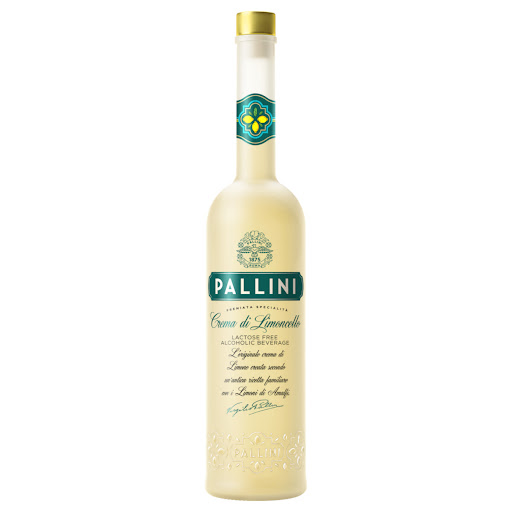
Ah, the sweet taste of limoncello! This Italian liqueur is a staple in the south, and for good reason. Not only does it have a refreshing citrus flavor, but it’s also incredibly easy to make at home. In this article, we’ll guide you through the process of creating your own limoncello cream, using just a few simple ingredients.
What You Need to Know
Before we dive into the recipe, let’s talk about what makes a good limoncello. The key ingredient is, of course, the lemon. But not just any lemon will do – you need lemons that are naturally untrapped or organic. Why? Because these lemons have been grown without pesticides or artificial fertilizers, ensuring a 100% natural product.
The Importance of Using Natural Ingredients
When it comes to making limoncello, the quality of your ingredients is everything. That’s why we recommend using biological limons (or non-treated lemons) for this recipe. Not only will they give you the best flavor, but you’ll also be supporting sustainable farming practices.
The Science Behind Limoncello
Limoncello is a classic Italian liqueur made from lemon zest, sugar, and vodka. The combination of these ingredients creates a unique flavor profile that’s both refreshing and sweet. But what makes limoncello so special? Let’s take a closer look at the science behind this beloved drink.
The acidity in lemons is what gives them their characteristic sour taste. When you mix lemon zest with sugar, it creates a balance of sweet and sour flavors that are perfect for sipping on its own or using as an ingredient in cocktails.
The Role of Vodka
Vodka plays a crucial role in the limoncello-making process. Not only does it infuse the lemon flavor into the liquid, but it also serves as a base spirit that’s clear and neutral-tasting. This allows the natural flavors of the lemons to shine through without any unwanted flavors or aftertastes.
The Art of Infusing Lemons in Vodka
Infusing lemons in vodka is an art form that requires patience and attention to detail. Here are some tips for getting it just right:
- Use high-quality, organic lemons for the best flavor.
- Macerate the lemons in vodka for at least one month to allow the flavors to meld together.
- Monitor the temperature of the vodka and avoid exposing it to direct sunlight or heat sources.
The Recipe
Now that we’ve covered the basics, let’s move on to the recipe itself. Here’s what you’ll need:
- 1 liter of vodka (alcohol suitable for consumption)
- 10 lemons (organic or naturally untrapped)
- 500ml of semi-skimmed milk
- 500ml of cream
- 1 kg of granulated sugar
- 1 teaspoon of vanilla
Step 1: Preparing the Lemons
The first step in making limoncello is to prepare your lemons. Rinse them thoroughly with cold water, then gently scrub away any dirt or debris. Make sure to leave the white pith off the lemon – it’s bitter and will ruin the flavor.
Step 2: Macerating the Lemons
Next, you’ll need to macerate your lemons in vodka for a minimum of one month. This step is crucial in infusing the vodka with the citrus flavor of the lemons. Simply place the lemon peels in a glass jar and pour the vodka over them. Close the jar tightly and store it in a dark, dry place.
Step 3: Filtrating the Vodka
After one month, you’ll need to filter the vodka through a coffee filter or cheesecloth to remove any sediment. This will help to clarify the liquid and prevent any bitterness from affecting the flavor.
Step 4: Making the Cream
While the vodka is filtering, you can start making the cream component of your limoncello. Combine the semi-skimmed milk and vanilla in a saucepan over medium heat. As the mixture heats up, whisk constantly until it reaches boiling point.
Step 5: Adding Sugar and Panna
Once the milk has reached boiling point, add the granulated sugar slowly while stirring continuously. This will help to dissolve the sugar evenly and prevent any lumps from forming. Next, stir in the panna (cream) gradually, making sure not to create any foam.
Step 6: Cooling and Mixing
Allow the mixture to cool completely before whisking in the filtered vodka. This step is crucial in combining the two components and preventing the cream from separating.
Step 7: Bottling and Freezing
Once you’ve mixed everything together, pour the limoncello into glass bottles and seal them tightly. Store them in the freezer for at least 15 days before serving. When you’re ready to enjoy your homemade limoncello, simply agitate the bottle well before pouring.
Tips and Variations
Want to try something new? Here are some tips and variations to enhance your limoncello-making experience:
- Use different types of lemons, such as Meyer or Eureka, for a unique flavor profile.
- Experiment with various sweeteners, like honey or agave nectar, for a distinct taste.
- Add a splash of citrus juice, like lemon or orange, for extra zing.
FAQs
- What type of lemons should I use?
We recommend using organic or naturally untrapped lemons for this recipe. - How long does the vodka need to macerate?
A minimum of one month is recommended, but longer is better. - Can I make limoncello with other types of milk?
Yes, you can experiment with different types of milk, such as whole milk or coconut milk, for a unique flavor profile. - What’s the best way to store my homemade limoncello?
Store it in the freezer to preserve its flavor and prevent spoilage. - Can I make limoncello without using vodka?
Yes, you can substitute vodka with another clear spirit, such as gin or rum, for a different flavor profile. - How long does homemade limoncello last?
With proper storage and handling, your homemade limoncello should last for several months. - Can I give my homemade limoncello as a gift?
Absolutely! Homemade limoncello makes a great gift for friends and family who appreciate unique flavors.
Conclusion
And that’s it! With these simple steps, you can create your own delicious limoncello cream from scratch. Whether you’re a seasoned home brewer or just starting out, this recipe is sure to impress. So go ahead, give it a try, and experience the joy of making something truly special.
References


