
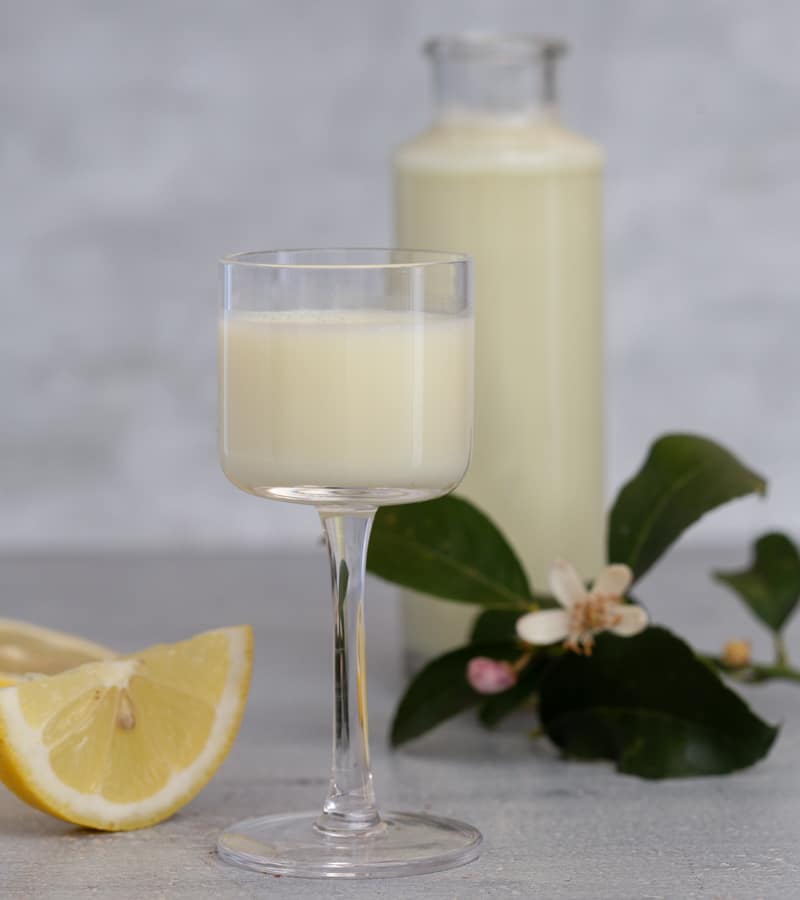
Introduction to Limoncello Cream
Limoncello cream, a classic Italian dessert, has been a staple in many Southern Italian households for generations. This sweet and tangy treat is made with freshly squeezed lemons, sugar, and a hint of vanilla, creating a unique flavor profile that’s both refreshing and indulgent.
In this article, we’ll delve into the world of limoncello cream, exploring its history, cultural significance, and two popular recipes: one without panna (cream) and another with it. We’ll also discuss the importance of using high-quality ingredients and provide a step-by-step guide on how to make limoncello cream at home.
The Origins of Limoncello Cream
Limoncello cream is a traditional dessert that originated in Southern Italy, specifically in the Amalfi Coast and Sorrento regions. The exact origin of this recipe is disputed between these two areas, with some attributing it to the Sorrentines and others to the Amalfitans.
The history of limoncello cream dates back to the 18th century, when lemons were first introduced to Italy from Greece. Initially used as a digestive aid, lemons quickly became an integral part of Italian cuisine, particularly in desserts like limoncello cream.
The Traditional Recipe Without Panna
In Naples, where our author lives, limoncello cream is traditionally made without panna (cream). This version uses a higher proportion of lemon juice and zest, resulting in a tangier flavor. The traditional recipe involves macerating lemon peels in alcohol for 30 days, then mixing the liquid with sugar and whisking it into a creamy consistency.
The process of making limoncello cream without panna requires patience and attention to detail. The lemons must be carefully selected, washed, and dried before being used to make the traditional recipe. The maceration time is crucial, as it allows the flavors of the lemon peels to infuse into the alcohol, creating a unique and complex flavor profile.
The Modern Recipe With Panna
In recent years, a modified recipe that includes panna (heavy cream) has gained popularity. This version adds a richer, more velvety texture to the limoncello cream, making it perfect for topping desserts or serving chilled as a palate cleanser.
The modern recipe with panna is a great alternative for those who prefer a lighter and fluffier dessert. The addition of heavy cream creates a smooth and creamy texture that complements the tangy flavor of lemons perfectly.
The Importance of Quality Ingredients
When making limoncello cream at home, it’s essential to use high-quality ingredients. Fresh lemons are a must, and choosing organic options will ensure that your lemon juice is free from pesticides and artificial additives.
Other important ingredients like sugar semolato (a type of granulated sugar) and vanilla beans should also be used in their purest form. The quality of these ingredients can make or break the flavor profile of your limoncello cream, so it’s worth investing in the best options available.
Recipe 1: Limoncello Cream Without Panna
Ingredients:
- 20 fresh lemons
- 2 liters of alcohol (such as grappa or limoncello)
- 2 kg of sugar semolato
- 2 vanilla beans
Instructions:
- Wash and dry the lemons, then remove the peels.
- Macerate the lemon peels in the alcohol for 30 days.
- Strain the liquid and discard the peels.
- Mix the liquid with sugar until dissolved.
- Whisk the mixture into a creamy consistency.
Recipe 2: Limoncello Cream With Panna
Ingredients:
- 20 fresh lemons
- 2 liters of alcohol (such as grappa or limoncello)
- 2 kg of sugar semolato
- 1 liter of panna (heavy cream)
- 1 liter of milk
- 2 vanilla beans
Instructions:
- Wash and dry the lemons, then remove the peels.
- Macerate the lemon peels in the alcohol for 30 days.
- Strain the liquid and discard the peels.
- Mix the liquid with sugar until dissolved.
- Combine the mixture with panna, milk, and vanilla beans.
- Whisk until smooth and creamy.
Tips and Variations
To add a unique twist to your limoncello cream, try experimenting with different flavors like lemon-ginger or lemon-rosemary. You can also adjust the amount of sugar to suit your taste preferences.
Some other tips for making limoncello cream at home include:
- Using a mixture of sugar and honey for a more complex flavor profile.
- Adding a pinch of salt to balance out the sweetness.
- Experimenting with different types of citrus fruits, like limes or oranges.
- Serving limoncello cream chilled as an appetizer or dessert.
Conclusion
Limoncello cream is a delicious and refreshing dessert that’s perfect for warm weather gatherings or as a palate cleanser between courses. By following these two recipes, you’ll be able to create a traditional Italian dessert that’s both authentic and customizable to your taste buds.
With its rich history, cultural significance, and versatility in flavor profiles, limoncello cream is a classic dessert that’s sure to please even the most discerning palates. Whether you choose to make it without panna or with panna, this traditional Italian recipe is sure to become a family favorite.
Frequently Asked Questions (FAQs)
Q: What type of alcohol should I use to make limoncello cream?
A: You can use any type of alcohol, such as grappa or limoncello, but make sure it’s 100% pure and free from additives.
Q: How long does it take to make limoncello cream?
A: The traditional recipe without panna requires 30 days of maceration time. The modern recipe with panna takes about 2 hours to prepare.
Q: Can I use frozen lemons instead of fresh ones?
A: No, frozen lemons will not provide the same flavor and texture as freshly squeezed lemons. Use only fresh, organic lemons for the best results.
Q: How do I store limoncello cream in the fridge or freezer?
A: Store limoncello cream in an airtight container in the refrigerator for up to 3 days or freeze it for up to 6 months.
Q: Can I make limoncello cream ahead of time?
A: Yes, you can prepare the mixture without panna or with panna and store it in the fridge for up to 2 weeks. Before serving, whisk the mixture until smooth and creamy.
Q: What are some popular uses for limoncello cream?
A: Limoncello cream is perfect as a topping for ice cream, yogurt, or pancakes. You can also use it as a palate cleanser between courses or serve it chilled as an appetizer.
Q: How do I make limoncello cream with the Bimby?
A: Follow the same recipe instructions as before, but use the Bimby’s slow cooking function to cook the mixture for 14 minutes at 100°C.


