
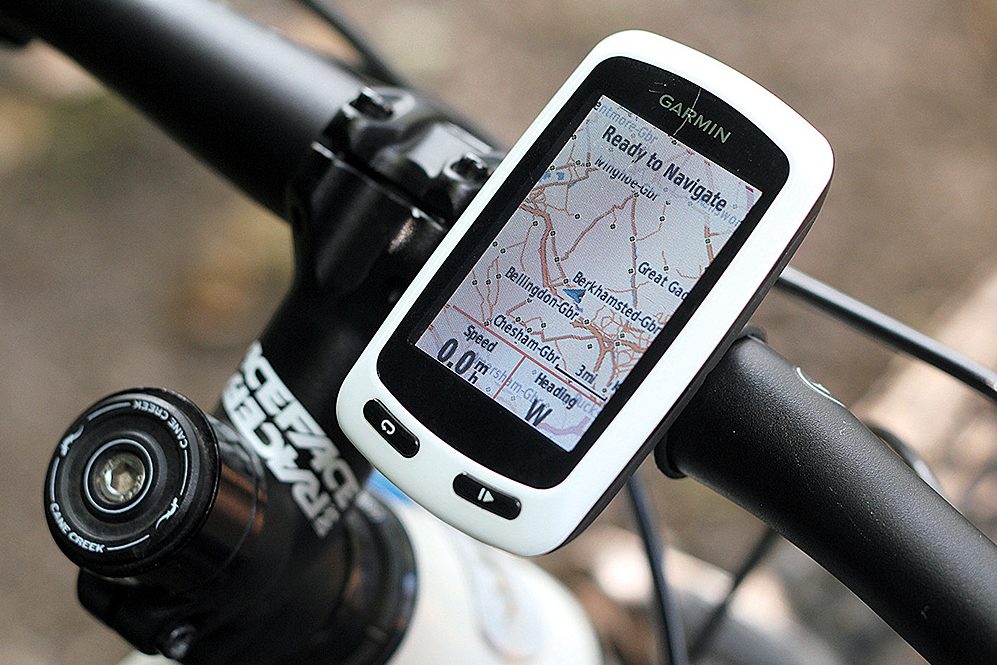
The world of cycling has undergone a significant transformation in recent years. Gone are the days when cyclists relied on paper maps and road signs to navigate their routes. With the advent of GPS bike navigation systems, cyclists can now enjoy a more convenient, efficient, and enjoyable ride. In this article, we’ll delve into the world of GPS bike navigation systems, specifically focusing on the CycloSeries by Mio Technology.
What are GPS Bike Navigation Systems?
GPS (Global Positioning System) bike navigation systems have become an essential tool for cyclists, providing them with accurate route guidance and real-time data. These systems use satellite technology to track a cyclist’s location, speed, distance, and other vital metrics, allowing riders to optimize their routes and improve their overall riding experience.
History of GPS Bike Navigation Systems
The concept of GPS bike navigation systems dates back to the early 2000s, when the first GPS devices were introduced for cycling enthusiasts. However, it wasn’t until the mid-2010s that these devices became more affordable and widely available. Today, GPS bike navigation systems have become an essential accessory for cyclists worldwide.
Types of GPS Bike Navigation Systems
There are several types of GPS bike navigation systems available in the market, including:
- Standard GPS Devices: These devices use satellite signals to provide route guidance and can be attached to a handlebar or stem.
- Smartphone Apps: Many cycling apps offer GPS bike navigation features, allowing riders to access maps, route planning, and real-time data on their smartphone screens.
- Wearable Devices: Wearable GPS devices, such as smartwatches or fitness trackers, provide cyclists with detailed metrics, including heart rate, cadence, and distance traveled.
Advantages of GPS Bike Navigation Systems
GPS bike navigation systems offer several advantages for cyclists, including:
- Improved Route Planning: With access to vast networks of cycle routes, riders can optimize their routes for minimal traffic and maximum enjoyment.
- Increased Safety: GPS devices provide real-time data on speed, distance, and location, reducing the risk of accidents or getting lost.
- Enhanced Performance: Cyclists can track their progress, including heart rate, calorie burn, and workout organization, to improve their overall performance.
Key Features of GPS Bike Navigation Systems
GPS bike navigation systems typically come with several key features, including:
- Route Planning: The ability to plan routes using a map interface or by importing data from a device.
- Real-Time Data: Access to real-time data on speed, distance, and location.
- Satellite Signal Reception: The ability to receive satellite signals for accurate navigation.
- Battery Life: A reliable battery life that can last several days or weeks, depending on usage.
How GPS Bike Navigation Systems Work
GPS bike navigation systems work by using a combination of satellite signals, GPS technology, and mapping software. Here’s a step-by-step explanation of how these systems work:
- Satellite Signal Reception: The GPS device receives satellite signals from a network of satellites orbiting the Earth.
- Position Calculation: The GPS device calculates its position based on the time delay between when a signal is sent and when it is received.
- Mapping Software: The GPS device uses mapping software to create a map of the area, including roads, landmarks, and points of interest.
- Route Planning: The GPS device uses the mapped data to plan a route for the cyclist.
- Real-Time Data: The GPS device provides real-time data on speed, distance, and location.
The CycloSeries by Mio Technology: A Revolution in Cycling Navigation
Mio Technology’s CycloSeries is a revolutionary GPS bike navigation system designed specifically for cycling enthusiasts. This system consists of two satellite navigation models, the “Mio Cyclo 300” and “Mio Cyclo 305,” which offer advanced features and user-friendly design.
Key Features of the CycloSeries
• Compact Design: Both models have sleek, compact designs that fit easily on a handlebar or stem.
• European Cycle Route Maps: Pre-installed maps provide cyclists with access to a vast network of European cycle routes.
• Touchscreen Display: The 3-inch anti-reflective display is easy to use and navigate, allowing riders to select their destination and view various route options.
• Water-Resistant Design: The device is designed to withstand exposure to water and other elements.
• Social Sharing: Users can share their ride experiences and bike routes with friends on social media platforms.
Advanced Features of the CycloSeries
The “Mio Cyclo 305” model takes innovation to the next level by incorporating advanced features such as:
• ANT+ Sensor Integration: The built-in heart rate monitor and cadence-sensor enable cyclists to track their progress, including heart rate, calorie burn, workout organization, and more.
• Heart Rate Monitoring: Cyclists can continuously monitor their heart rate, ensuring they stay within their optimal zone.
Benefits of GPS Bike Navigation Systems
GPS bike navigation systems offer a range of benefits for cyclists, including:
- Improved Route Planning: With access to vast networks of cycle routes, riders can optimize their routes for minimal traffic and maximum enjoyment.
- Increased Safety: GPS devices provide real-time data on speed, distance, and location, reducing the risk of accidents or getting lost.
- Enhanced Performance: Cyclists can track their progress, including heart rate, calorie burn, and workout organization, to improve their overall performance.
Pricing and Availability
Mio Technology bike GPS devices will be available for purchase starting April 2012, priced between €299.99 and €399.99, depending on the routes chosen. The lowest price is for only Italian cycle paths.
Conclusion
GPS bike navigation systems have revolutionized the world of cycling, offering cyclists a more convenient, efficient, and enjoyable ride. The CycloSeries by Mio Technology represents the pinnacle of innovation in this field, providing cyclists with advanced features, user-friendly design, and real-time data to optimize their routes and performance.
Frequently Asked Questions (FAQs)
- What are the key differences between the “Mio Cyclo 300” and “Mio Cyclo 305” models?
The “Mio Cyclo 300” model is more basic, with fewer features than the “Mio Cyclo 305” model. - How do I install the GPS device on my bike?
Installation is straightforward; simply attach the device to your handlebar or stem using the provided mounting system. - Can I use the GPS device in areas with poor satellite coverage?
While the GPS device will still provide some basic functionality, it may not be able to connect to satellites in areas with poor coverage. - How do I share my ride experiences on social media?
Simply connect your social media account to the GPS device using the provided settings menu. - Can I customize the route options and maps?
Yes, users can download new cycle routes directly from the internet or create their own custom routes using the device’s built-in editor. - How long does the battery last on a single charge?
The battery life varies depending on usage; however, most users report that it lasts for several days on a single charge. - Is the GPS device waterproof?
Yes, the device is designed to withstand exposure to water and other elements. - Can I use multiple ANT+ sensors with the GPS device?
Yes, the “Mio Cyclo 305” model supports up to three ANT+ sensors, allowing users to track multiple metrics simultaneously.
By adopting a GPS bike navigation system like the CycloSeries by Mio Technology, cyclists can experience a more enjoyable, efficient, and rewarding ride.


